

High-intensity summer sunlight and extreme temperatures cause irreversible photodamage, blossom drop, and stunted growth in agricultural settings. Deploying the wrong type of shade protection—or installing it improperly—creates microclimates that trap heat, restrict airflow, block pollinators, and collapse under wind shear. This accelerates plant decline rather than preventing it. We built this guide to provide a technical framework for evaluating materials, selecting optimal density percentages based on crop requirements, and executing a structurally sound installation. You will learn how to maximize plant yield through proper deployment. We focus on practical, field-tested methods to ensure your setup withstands environmental stressors while maintaining optimal growing conditions. By following these steps, you can protect sensitive crops from solar radiation without compromising necessary ventilation.
Density Dictates Yield: Selecting the correct shade percentage (ranging from 30% for fruiting vegetables to 60%+ for shade-loving plants) is the single most critical factor in preventing light starvation.
Material Construction Matters: Knitted polyethylene offers superior longevity, unravel resistance, and stretch compared to woven alternatives, making it the industry standard for outdoor plant shade cloth.
Airflow and Access are Non-Negotiable: Proper installation requires adequate vertical clearance above the plant canopy to prevent heat trapping, ensure convective cooling, and allow pollinator access.
Structural Integrity: Factoring in wind load and utilizing proper tensioning hardware (e.g., specialized shade clips, wire rope, or reinforced grommets) prevents premature tearing and structural failure.
Diagnosing the Need: When to Deploy Summer Plant Shade Protection
Defining the exact environmental triggers for shade intervention requires monitoring both ambient temperatures and plant physiological responses. You must deploy summer plant shade protection before irreversible cellular damage occurs. Waiting until crops show severe distress often results in lost yields for the entire season. Successful deployment hinges on recognizing early warning signs and understanding local climate data.
Visual indicators of heat stress manifest quickly during peak summer months. Look for leaf scorch, which appears as browned, crispy edges on older foliage. Cupping or upward rolling of leaves indicates the plant is attempting to reduce its surface area exposed to the sun. Wilting during midday hours, despite adequate soil moisture, signals that transpiration rates have exceeded the root system's ability to uptake water. Aborted fruit sets serve as a definitive metric. Tomatoes will routinely drop blossoms when sustained temperatures climb above 85°F (29°C), halting fruit production entirely.
Analyzing local climate data helps determine the optimal deployment window. Install protection when ambient temperatures consistently exceed 85°F (29°C) for cool-season crops or 95°F (35°C) for heat-tolerant varieties. Do not rely solely on regional weather forecasts. Microclimates within your specific growing area heavily influence actual canopy temperatures. Urban heat islands, proximity to reflective surfaces like light-colored siding, and heat-absorbing concrete pathways elevate localized temperatures by 5 to 10 degrees above reported regional highs.
Crop Category | Optimal Temp Range | Critical Heat Threshold | Visual Stress Indicators |
|---|---|---|---|
Fruiting Vegetables (Tomatoes, Peppers) | 70°F - 85°F | 85°F+ (Blossom Drop) | Curled leaves, aborted flowers, sunscald on fruit |
Leafy Greens (Lettuce, Spinach) | 60°F - 70°F | 75°F+ (Bolting) | Rapid vertical growth, bitter taste, tip burn |
Root Vegetables (Carrots, Beets) | 60°F - 75°F | 80°F+ | Stunted root development, tough texture |
Sensitive Ornamentals (Hostas, Ferns) | 65°F - 75°F | 80°F+ (Direct Sun) | Bleached foliage, crispy brown margins |
Evaluate the duration of deployment. Decide whether the installation will function as a permanent seasonal fixture or a retractable system. Permanent setups require robust framing and tensioning to withstand months of weather exposure. Retractable systems offer superior flexibility, allowing you to deploy coverage only during peak-sun hours (typically 10:00 AM to 4:00 PM) while exposing plants to beneficial morning sunlight. This dynamic approach prevents light starvation during overcast days or cooler periods.
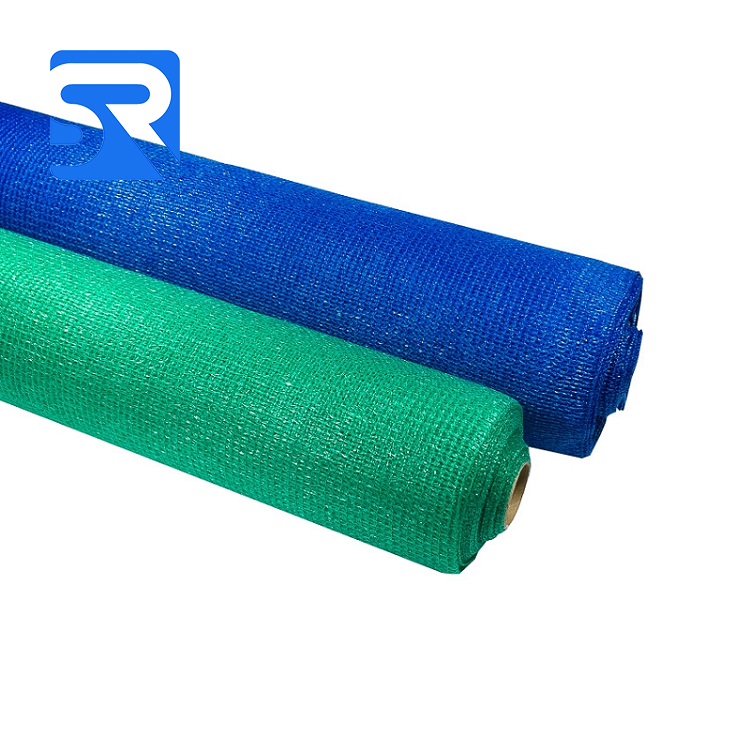
Material Evaluation: Knitted vs. Woven Outdoor Shade Cloth
Comparing manufacturing processes reveals significant differences in performance and durability. The physical construction of the fabric dictates how it handles wind, tension, and accidental punctures. Selecting the appropriate outdoor shade cloth requires matching the material properties to your specific site conditions and structural framework.
Knitted materials dominate agricultural applications due to their high-density polyethylene (HDPE) construction. The raschel lock-stitch pattern inherently resists tearing. If you puncture or cut the fabric, the surrounding threads will not unravel, preserving the structural integrity of the entire panel. This characteristic proves invaluable in field environments where tools, branches, or wildlife cause minor damage. Knitted fabrics offer a 2-3% stretch factor. This elasticity makes tensioning over frames significantly easier, allowing for a taut, professional finish that resists wind flutter. You can expect a UV-stabilized lifespan of 7 to 10 years, making it ideal for high-wind areas, permanent installations, and custom frameworks.
Woven alternatives utilize polypropylene threads woven in a simple over-under grid. These fabrics are heavier, more rigid, and noticeably less permeable to both water and air. The primary trade-off involves edge integrity. Woven materials unravel rapidly when cut unless you immediately sear the edges with a hot knife. Their minimal stretch makes installation rigid and unforgiving; achieving a perfectly taut surface over uneven frames proves difficult. The reduced porosity increases the risk of heat retention beneath the canopy. Reserve woven options for greenhouses, privacy screens, or temporary low-wind setups where overhead watering is not utilized.
Feature | Knitted HDPE | Woven Polypropylene |
|---|---|---|
Manufacturing Process | Lock-stitch loop pattern | Over-under grid weave |
Stretch Factor | 2% - 3% (Forgiving) | Minimal to None (Rigid) |
Unravel Resistance | High (Will not run if cut) | Low (Requires edge searing) |
Water/Air Permeability | Excellent | Poor to Moderate |
Best Application | Field agriculture, high-wind areas | Greenhouses, privacy fencing |
Color selection directly impacts thermal dynamics beneath the structure. Black remains the standard choice for most agricultural uses. It absorbs heat but provides maximum UV blockage and exceptional longevity. White reflects heat and diffuses light, actively lowering ambient temperatures below the cloth. White polymers generally degrade faster under intense UV exposure compared to carbon-blackened plastics. Aluminized fabrics (Aluminet) represent a premium tier. These highly reflective screens excel in extreme heat environments and offer nighttime thermal retention. They provide excellent regulation for high-value or highly sensitive crops where precise temperature control is required.
Selecting the Right Density Percentage for Specific Crops
Matching light transmission rates to specific plant physiological requirements prevents etiolation while mitigating heat stress. Etiolation occurs when plants stretch unnaturally toward light sources, resulting in weak, spindly stems. Factor in your geographic latitude when selecting density. Southern climates experience more intense solar radiation and often require 10-20% higher density than Northern climates for the exact same crop varieties. Using the correct shade cloth for plants ensures optimal Photosynthetic Active Radiation (PAR) reaches the leaves.
A density of 30% to 40% provides light shade, ideal for heat-tolerant fruiting crops. Tomatoes, peppers, eggplants, squash, and melons thrive under this coverage during peak summer heat. This density reduces peak solar radiation enough to prevent blossom drop and leaf scorch while maintaining sufficient PAR for robust fruit development and ripening. Applying denser fabrics to these crops will severely stunt fruit production and encourage excessive vegetative growth at the expense of yield.
Tomatoes: Prevents sunscald on ripening fruit and stops blossom drop above 85°F.
Peppers: Protects the delicate skin of bell peppers from blistering in direct afternoon sun.
Cucumbers: Reduces water stress and wilting during peak transpiration hours.
Melons: Shields vines from severe heat fatigue while allowing enough light for sugar development.
Moderate shade, ranging from 50% to 60% density, suits leafy greens, sensitive ornamentals, and newly established transplants. Lettuce, spinach, and brassicas will rapidly bolt and develop bitter flavor profiles when exposed to intense summer heat. A 50% block lowers canopy temperatures significantly, extending the harvest window for these cool-weather crops deep into the summer months. This density also provides an excellent acclimation environment for greenhouse-raised transplants moving into open-field conditions.
Lettuce & Spinach: Delays bolting and prevents the leaves from developing a tough, bitter texture.
Brassicas (Broccoli, Cabbage): Keeps the soil cool and prevents premature head splitting.
New Transplants: Reduces transplant shock by lowering the transpiration demand on disturbed root systems.
Heavy shade, encompassing 70% to 90% density, generally proves detrimental to sun-loving agricultural crops. Deploying this level of blockage over vegetables will halt growth and invite fungal diseases due to lack of evaporation. Reserve these high-density fabrics for specific shade-obligate plants like ferns, orchids, and hostas. They also serve well for livestock shading, dog kennels, or human recreation areas where maximum thermal reduction is the primary goal, and photosynthesis is irrelevant.
Structural Planning and Installation Methodologies
Translating material selection into a physical, load-bearing structure requires careful planning. The framework must integrate seamlessly with existing garden beds, high tunnels, or pergolas while withstanding local weather patterns. A poorly designed support system will chafe the fabric, trap heat, or collapse during summer storms. Approach installation as a structural engineering task, prioritizing stability and airflow.
Sizing and measurement calculations dictate the success of the shadow footprint. Account for the sun's trajectory, specifically its azimuth and elevation during peak summer months. The shadow cast by the structure will shift continuously. To ensure the target area remains covered during the critical hours of 10:00 AM to 4:00 PM, factor in a 10-15% overhang beyond the perimeter of the plant beds. Measuring exactly to the edge of the bed guarantees that perimeter plants will suffer full sun exposure during the late afternoon.
Evaluating support structures involves assessing load-bearing capacity. PVC hoops offer a low-cost, flexible option for temporary row covers but often buckle under heavy wind loads. EMT conduit provides superior rigidity for mid-sized installations and bends easily with proper tools. Timber frames deliver maximum durability for permanent setups. Regardless of the material, maintain a minimum 2-to-3-foot clearance above the mature plant canopy. This vertical space facilitates passive ventilation, allowing hot air to rise and escape. Draping fabric too close to the foliage causes heat to radiate directly onto the leaves, negating the cooling effect.
Site Assessment and Sun Tracking: Map the sun's path across your growing area to determine the exact placement and angle of the support frame.
Frame Construction and Anchoring: Build the support structure using EMT conduit or treated timber. Sink ground posts at least 18 inches deep or secure them to heavy base plates to prevent wind uplift.
Fabric Drape and Initial Alignment: Pull the fabric over the frame during a calm, windless period. Center the material, ensuring the calculated 10-15% overhang is evenly distributed.
Tensioning and Hardware Securing: Attach the corners first using elastic bungees. Work your way down the sides, placing fasteners every 18 to 24 inches to distribute the load evenly.
Designing fixed versus retractable systems depends on your operational capacity. Fixed structures require less daily management but commit the plants to constant shade. Retractable systems, utilizing simple pulley mechanisms or wire-rope tracks, allow you to pull the fabric back during cooler morning hours or overcast days. This maximizes full sun exposure when temperatures are safe, optimizing growth rates.
Fastening mechanisms and tensioning hardware determine the lifespan of the outdoor plant shade cloth. For permanent, high-tension frames, ordering custom-taped edges with brass grommets provides the most secure attachment points. If cutting from a bulk roll, utilize specialized shade fabric clips designed to grip raw edges without tearing the mesh. Employ bungee tie-downs rather than rigid ropes; the elasticity absorbs sudden wind gusts, distributing tension evenly and preventing the fabric from ripping at the connection points. UV-resistant zip ties work well for securing panels to tubular framing, provided you space them closely to prevent point-loading.
Microclimate Management and Implementation Risks
Addressing the most common points of failure in installations prevents catastrophic crop loss. Modifying the overhead environment alters the microclimate at ground level, requiring immediate adjustments to your standard horticultural practices. Failing to adapt irrigation, ventilation, and structural management will introduce new risks to the growing environment.
Preventing heat trapping stands as the primary operational challenge. Mitigating the greenhouse effect requires ensuring open sides on all structures. Never box in the perimeter of the shade frame. Orient the structure to catch prevailing summer breezes, allowing cross-ventilation to sweep heat out from under the canopy. If you drape the cloth directly onto plant foliage, physical abrasion will damage the cuticle, and trapped heat will scorch the leaves faster than direct sunlight.
Irrigation and watering schedules require immediate downward adjustment. The fabric significantly reduces evapotranspiration rates and soil surface evaporation. Continuing your previous watering schedule will quickly lead to waterlogged soil. This anaerobic environment promotes root rot and invites aggressive fungal diseases. Monitor soil moisture manually at a depth of three inches before running drip lines. You will likely need to reduce watering frequency by 20% to 40% depending on the density of the coverage. Install soil moisture sensors if managing a large-scale agricultural plot to ensure precise irrigation control under the shaded canopy.
Pollinator access must remain unobstructed for fruiting crops. Ensure the structure's design does not inadvertently act as exclusion netting. Maintain wide openings at the ends and sides of the frame. If bees and other pollinators cannot navigate under the canopy, blossom drop will occur due to lack of pollination, mimicking the exact heat-stress symptoms you intended to prevent.
Wind shear and load management dictate structural survival. Large shade sails act as massive kites, generating immense uplift during storms. Calculate potential wind loads based on your local weather history. Design breakaway points using elastic bungees or lighter-gauge zip ties that will snap before the metal frame bends or the fabric tears entirely. Replace a few broken bungees rather than rebuilding a collapsed timber pergola.
Maintenance and off-season storage extend the material lifespan. Clean the panels at the end of the season using a soft brush and mild soap. Never use harsh chemicals, bleach, or pressure washers, as these strip the UV stabilizers and degrade the polymer chains. Ensure the fabric is completely dry before folding to prevent mildew. Store the panels in rodent-proof containers during winter months to prevent nesting damage.
Conclusion
Audit your garden's daily sun exposure and map the exact trajectory to determine where shadows fall during peak afternoon hours.
Measure the required footprint, explicitly adding a 10-15% overhang to accommodate shifting shadow lines.
Select the appropriate density based on your most sensitive crops, prioritizing 30-40% for fruiting vegetables.
Source structural framing materials and elastic tensioning hardware before ordering the fabric to ensure compatibility.
Adjust your drip irrigation schedules downward immediately after installation to prevent waterlogged soil and root rot.
FAQ
Q: Can you put shade cloth directly on plants?
A: No. Draping fabric directly on plants traps heat, causing severe scorching. It causes physical abrasion to leaves and stems during windy conditions and restricts natural upward growth. You must install a support frame to maintain a 2-to-3-foot clearance above the mature canopy for proper airflow.
Q: What is the best shade cloth for plants like tomatoes and peppers?
A: A density of 30% to 40% is optimal for fruiting crops like tomatoes and peppers. This percentage provides adequate thermal protection to prevent blossom drop and leaf scorch while allowing sufficient Photosynthetic Active Radiation (PAR) to reach the leaves for robust fruit production.
Q: How should I adjust my watering schedule after installing shade cloth?
A: You must reduce your watering frequency. The fabric lowers ambient temperatures and blocks direct sunlight, significantly reducing soil evaporation and plant transpiration rates. Overwatering in this shaded microclimate quickly leads to waterlogged soil, root rot, and fungal diseases. Always check soil moisture manually before irrigating.
Q: Does outdoor plant shade cloth protect against frost?
A: It offers only minimal thermal retention and is not designed for frost protection. Its open-weave structure is engineered to release heat and provide summer plant shade protection. For winter weather, you must use specialized, non-porous frost blankets or row covers designed to trap ground heat.
Q: How long does UV-stabilized shade cloth last?
A: High-quality, UV-stabilized knitted HDPE fabrics typically last 7 to 10 years when properly tensioned and stored during the off-season. Cheaper, non-stabilized woven plastics often degrade, become brittle, and tear within 1 to 3 years under intense summer sun exposure.
Q: Will rain pass through outdoor shade cloth?
A: Yes, knitted fabrics are highly permeable, allowing natural rainfall and overhead irrigation to pass through easily. The mesh breaks large raindrops into a finer mist, which protects delicate topsoil from erosion. Woven fabrics are less permeable and cause water to pool if not tensioned on a slope.
Q: How do you cut shade cloth without it unraveling?
A: Knitted HDPE fabric features a lock-stitch construction that naturally resists unraveling when cut with standard scissors or utility knives. Woven fabrics will fray rapidly when cut. You must use a hot knife or immediately sear the raw edges of woven materials with a flame to fuse the polymer threads together.


