

Extreme summer temperatures frequently ruin vegetable yields across the country. Blossom drop, severe sunscald, bitter flavor profiles, and rapidly bolted greens plague mid-summer harvests. Guessing your shade density directly risks total crop failure. Using a percentage that is too low completely fails to mitigate heat stress during peak afternoon hours. Conversely, a percentage that is too high restricts Photosynthetically Active Radiation (PAR). This creates leggy, weak, and unproductive plants that stretch desperately for light. We need a strict technical evaluation framework. You must select the exact garden shade fabric based on specific crop physiology, regional climate data, daily sun exposure hours, and exact material specifications. Implementing the correct density maximizes your yield, extends the growing season, and prevents devastating crop loss when heatwaves strike.
Key Takeaways
Fruiting vs. Leafy Crops: Sun-loving fruiting vegetables generally require 30-40% shade, while leafy greens, cool-season crops, and delicate companion plants thrive under 50-70% shade during peak summer.
The Tomato Sweet Spot: 50% shade is widely considered the optimal baseline for tomatoes in high-heat regions to prevent blossom drop without sacrificing fruit development.
Material Matters: Knitted, UV-stabilized polyethylene out-performs woven fabrics in residential and market gardens due to superior durability, stretch, and resistance to unraveling when cut.
Climate & Exposure Adjustments: Base percentage recommendations must be adjusted upward by 10-20% in extreme UV environments (e.g., the American Southwest) or in gardens receiving 8+ hours of uninterrupted full sun.
Installation Reality: Vegetable garden shade cloth must be installed with adequate clearance above the plant canopy to ensure proper airflow and prevent trapped heat from negating the cooling benefits.
The Science of Shade Percentage for Vegetables
Manufacturers calculate light blocking based on weave density. The physical density of the plastic threads dictates the shade percentage. Higher density means less light transmission. It operates on a strict inverse relationship. A 40% fabric blocks 40% of the light and allows 60% to pass through to the soil level. You must understand this ratio to protect plants effectively without starving them of solar energy.
Heat stress halts photosynthesis entirely. Tomato pollen sterilizes above 90°F (32°C). When temperatures exceed 85°F, many plants enter survival mode. They close stomatal openings on the undersides of their leaves. This stops transpiration. Water stops moving from the roots to the leaves, and nutrient uptake ceases. The plant stops growing and drops its blossoms to conserve energy. Shade cloth does not just block the sun. It lowers the ambient canopy temperature. By deploying the right density, you drop the ambient temperature around the foliage by 10 to 15 degrees. This keeps the stomata open. The plant continues to feed and grow even when the outside air temperature hits 95°F.
Evaluating PAR is mandatory for crop success. Different weave densities impact the specific light spectrums reaching your plants. Vegetables need specific spectrums to produce fruit versus foliage. Too much shade reduces the red and blue light necessary for fruiting. This forces the plant to stretch toward the light, resulting in thin, weak stems that cannot support heavy yields. Finding the correct shade percentage for vegetables balances temperature reduction with adequate PAR transmission.
Stomatal Closure: Occurs when heat stress forces the plant to stop transpiring water.
Pollen Sterilization: High temperatures destroy the viability of pollen, leading to flower drop.
Photosynthetic Halt: Extreme heat denatures the enzymes responsible for converting light into sugars.
Stem Elongation: Caused by excessive shade, forcing the plant to expend energy reaching for light rather than producing fruit.
Categorizing Vegetable Garden Shade Cloth by Percentage
20% to 30% Shade: Sun-Loving Fruiting Crops & Hardy Herbs
Target crops include peppers, squash, eggplants, melons, and heat-tolerant herbs like basil and thyme. These plants demand high light levels. They tolerate heat better than most garden vegetables and require intense solar energy to develop complex sugars and essential oils.
Success requires sufficient light for heavy fruit set while preventing direct fruit sunscald. Sunscald creates necrotic white patches on peppers and tomatoes. A light shade layer diffuses the intense midday rays. It prevents these physical burns while maintaining high photosynthesis rates. For example, bell peppers often suffer from sunscald when the leaf canopy is not thick enough to hide the fruit. A 30% drape over the pepper row diffuses the harsh UV rays. The fruit ripens normally without developing soft, rotting spots.
This range is ideal for regions with moderate summers. It works well during brief heatwaves. Gardens receiving partial natural shade from nearby trees also benefit from this lower percentage. It provides just enough edge protection without stunting growth or causing the plants to become leggy.
40% to 50% Shade: High-Heat Protection and Broad Application
Target crops include tomatoes, cucumbers, beans, and potatoes. These are the staple crops of most summer gardens. They need substantial light but suffer heavily under relentless heat. Tomatoes are particularly sensitive. If nighttime temperatures stay above 75°F and daytime temperatures exceed 90°F, the pollen becomes tacky and fails to fertilize the flower. The flower simply drops off the vine.
Success means preventing blossom drop. It also involves reducing soil moisture evaporation. You must achieve this without causing stem elongation. When plants stretch, they become weak and produce less fruit. The 40-50% range strikes the perfect balance. A 50% cover lowers the daytime peak. This allows the plant to recover and successfully set fruit.
This is the industry standard for mixed vegetable garden shade cloth in high-heat zones. Growers in Texas, Florida, and the Southwest rely on this density. We highlight 50% as the specific target for maximizing tomato yields in extreme heat. It keeps the canopy cool enough for pollen viability while allowing enough light for the fruit to ripen fully.
60% to 70% Shade: Cool-Season Greens, Seedlings, and Delicate Plants
Target crops include lettuce, spinach, brassicas, cilantro, nursery transplants, and light-sensitive succulents. These plants naturally prefer cooler temperatures and lower light intensity. Growing lettuce in July is nearly impossible in most zones without heavy intervention.
Success involves delaying bolting. Bolting ruins the harvest by turning greens bitter. Heavy shade prevents these bitter flavor profiles. A 70% cover blocks the majority of the thermal energy. The soil stays cool. The roots remain unstressed. The lettuce leaves stay sweet and crisp instead of turning tough and producing milky, bitter sap. It also protects delicate seedling tissue from severe UV damage. Young plants lack the hardened cellular structure to withstand direct summer sun.
Use this density for season extension. It allows you to push spring crops deep into mid-summer. It is also mandatory for protecting highly sensitive nursery stock during hardening off. Moving plants directly from a greenhouse to full sun will scorch them; a 70% fabric acts as a necessary transition zone.
Shade Percentage | Target Crops | Primary Biological Benefit | Ideal Climate Application |
|---|---|---|---|
20% - 30% | Peppers, Melons, Squash, Basil, Eggplant | Prevents fruit sunscald, maintains high PAR for sugar production | Moderate summers, brief heatwaves, high-altitude gardens |
40% - 50% | Tomatoes, Cucumbers, Beans, Potatoes | Stops blossom drop, lowers canopy temp, maintains pollen viability | High-heat zones, intense summer regions, mixed garden beds |
60% - 70% | Lettuce, Spinach, Seedlings, Brassicas | Delays bolting, prevents bitter flavors, cools root zones | Season extension, extreme desert climates, nursery hardening |
Material and Color Evaluation Dimensions
Knitted vs. Woven Garden Sun Shade Fabric
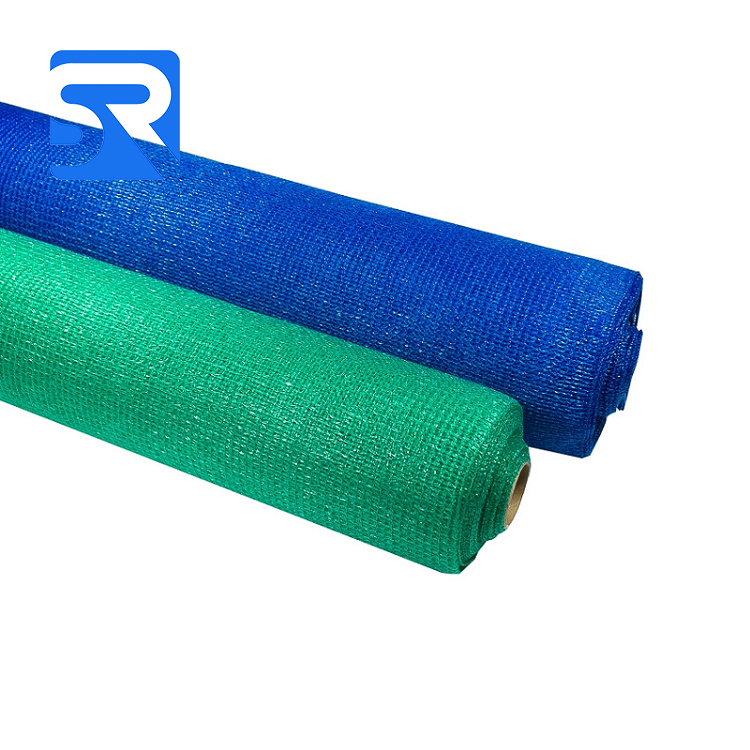
Knitted polyethylene offers distinct advantages for field use. It resists tearing effectively. The material is lightweight and allows excellent airflow. It stretches easily over irregular hoop houses. If you cut it, the edges will not fray. When you pull a knitted fabric over a PVC hoop, it conforms to the curve. If you accidentally poke a hole in it with a tool, the lock-stitch construction stops the hole from running. We frame knitted material as the superior choice for dynamic garden environments. It adapts well to seasonal changes and modular setups. You need a reliable garden sun shade fabric that handles physical stress.
Woven polypropylene presents several drawbacks for home growers. It is significantly heavier. The material unravels quickly if punctured or cut without heat sealing. Woven fabrics trap more heat because they restrict airflow. Woven fabrics act like cheap tarps. Once a tear starts, the wind will rip it wide open. We frame woven options as better suited for static, heavy-duty agricultural shading. They work well on permanent greenhouse structures. They fail on modular garden hoops where flexibility is required.
UV Stabilization and Lifespan
You must purchase UV-treated fabrics. The sun destroys untreated plastics rapidly. Untreated material becomes brittle within months. It degrades and falls apart after a single season of intense sun exposure. UV stabilization adds specific chemical inhibitors during the manufacturing process. These inhibitors absorb or reflect UV radiation. This protects the polymer chains from breaking down.
When inspecting materials, look for high-density polyethylene (HDPE) that explicitly states it has UV inhibitors. This prevents the plastic from shedding microplastics into your garden beds as it ages. A quality UV-stabilized fabric lasts five to ten years in the field, enduring harsh summers without losing its tensile strength.
Color Selection and Light Spectrum Impact
Black is the standard option. It is highly durable and cost-effective. However, black absorbs heat. It radiates this heat downward. You must install black fabric with high clearance to prevent baking the plants below. It blocks light uniformly across the spectrum.
White and light colors reflect heat away from the garden. They diffuse light deeper into the plant canopy. This improves photosynthesis on lower leaves. Commercial growers often use white over their high tunnels because the light scattering effect boosts overall plant vigor. The light hits the white threads and bounces in multiple directions, reaching leaves that would normally be shaded by the upper canopy. White fabric slightly lowers soil temperatures compared to black. It is excellent for heat-sensitive crops.
Aluminet is a premium reflective option. It is highly effective at reflecting both UV and infrared radiation. It acts like a thermal mirror. Aluminet offers superior cooling capabilities. It provides the best temperature reduction but comes at a higher cost per square foot. It is often used in extreme desert environments where maximum heat rejection is required.
Climate and Site-Specific Influencing Factors
Evaluating Baseline Sun Exposure Duration
You must address the daily sun exposure metric. Gardens receiving eight or more hours of relentless, direct sunlight require a higher baseline. The cumulative heat load stresses plants severely. If your garden sits in an open field with zero tree cover, a 50% cloth is your starting point for summer crops.
Gardens receiving five to six hours of morning sun need far less protection. Morning sun is cooler and less damaging. You base your percentage choice on the total duration of intense afternoon exposure. If your garden gets shaded by a house at 3:00 PM, you might only need a 30% cloth to bridge the gap between noon and the time the natural shade arrives.
Adjusting for Regional UV Index and Heat Hours
Scale your shade percentage based on geography. A gardener in Texas requires a heavier baseline than a gardener in the Northeast. Both locations might experience 90°F days. However, the UV intensity differs drastically. High altitude gardens also face extreme UV radiation despite cooler air temperatures.
For example, a grower in Denver, Colorado, deals with thin air and intense UV rays. Even if the air temperature is only 85°F, the sun feels like a laser. They need a 50% cloth just to prevent leaf scorch. A grower in Ohio with the same air temperature might only need 30% because the atmospheric moisture and lower elevation naturally filter the UV rays. You must adjust the base recommendation upward by 10-20% in extreme UV environments.
Microclimates and Reflective Heat
Surrounding structures dictate shade needs. Fences, brick walls, and concrete patios absorb and reflect heat. A garden bed next to a brick wall experiences a severe microclimate. The wall radiates heat long after sunset. You need heavier shade to counteract this thermal mass.
Timing dictates installation positioning. Morning sun is highly beneficial for drying dew and starting photosynthesis. Afternoon sun is highly stressful and causes rapid moisture loss. Position your fabric to block only the harsh afternoon rays. This directional shading technique is highly effective. Build a lean-to structure that faces west. The plants get full morning sun from the east. As the sun crosses the zenith and drops into the western sky, the fabric intercepts the harshest light.
Pre-Purchase Measurement and Implementation Strategies
Sizing and Drape Considerations
Measure your garden beds accurately before purchasing. Factor in the mature height of the plants. Do not measure based on seedling size. Add a mandatory 12 to 24-inch air gap clearance above the mature canopy. This determines the total square footage of fabric needed.
If you have a 4x8 foot raised bed, and you are growing indeterminate tomatoes that reach 6 feet tall, your support structure needs to be at least 7.5 feet tall. You must calculate the fabric needed to go up one side, across the top, and down the other side. A flat 4x8 piece of cloth will be useless. Always order slightly more material than your exact measurements. This allows for proper draping and secure fastening.
Airflow Restriction and Disease Pressure
Draping fabric directly on plants creates severe risks. It traps humidity against the leaves. This stagnant, moist air increases fungal diseases rapidly. Powdery mildew and early blight thrive in these conditions. Direct contact also transfers heat directly to the plant tissue.
You must mitigate this risk using structural supports. Hoops, A-frames, and pergolas maintain the necessary cooling air gap. The air gap allows cross-ventilation. Wind pulls the trapped hot air out from under the canopy. This convective cooling is essential for the system to work. Think of it like a tent in the summer. If you touch the inside of the tent wall, it feels hot. If you sit in the middle of the tent with the doors open, the breeze keeps you cool. Your plants need that same breeze.
Structural Support and Wind Load Considerations
Dense fabrics act as sails in high winds. A 60% or 70% density catches significant wind force. This can easily collapse flimsy garden structures. Wind damage destroys both the fabric and the crops beneath it. PVC hoops are cheap but often bend under heavy wind loads. Consider using electrical conduit (EMT) for your hoops. It provides a rigid frame that will not buckle when a summer thunderstorm rolls through.
Mitigate wind load through proper installation. Recommend specific grommet spacing, typically every two feet along the perimeter. Use bungee tie-downs instead of rigid ropes. Bungee cords provide flexibility. They absorb wind gusts and prevent the grommets from tearing out. Design your support systems for easy retractability. You must be able to pull the fabric back quickly during severe summer storms.
Conclusion
To implement an effective shading strategy and protect your crops from heat stress, follow these immediate steps:
Track your daily sun exposure and identify any reflective heat sources near your garden beds.
Measure your growing area, adding a 24-inch vertical clearance above the mature height of your tallest crops.
Select a knitted, UV-stabilized fabric with a density matching your specific crop requirements.
Secure the material to a rigid frame using flexible bungee ties to absorb wind gusts.
FAQ
Q: What is the best shade percentage for vegetables overall?
A: The best overall range is 30-50% for sun-loving fruiting crops like tomatoes and peppers. Leafy greens, root vegetables, and delicate plants require 50-70% shade. A 40% density serves as the best universal baseline for a mixed garden bed.
Q: What percentage shade cloth is best for tomatoes?
A: Tomatoes perform best under 40-50% shade cloth. This specific range lowers the canopy temperature enough to prevent blossom drop during extreme heat. It still allows sufficient Photosynthetically Active Radiation (PAR) for heavy fruit ripening.
Q: Can you use 70% shade cloth on a vegetable garden?
A: Yes, but only for specific applications. Using 70% on sun-loving crops causes leggy growth and severely reduces fruit yield. Reserve 70% density strictly for cool-season greens, delicate seedlings, or gardens in extreme desert climates.
Q: Does the color of garden sun shade fabric matter?
A: Yes. Black is the standard, highly durable option but absorbs heat, requiring higher clearance. White reflects heat and diffuses light deeper into the canopy. Aluminet provides maximum cooling by reflecting both UV and infrared radiation.
Q: Should shade cloth touch the plants?
A: No. Shade cloth must never touch the plants. Direct contact transfers heat to the foliage and traps humidity. You must maintain a 12 to 24-inch air gap above the canopy to ensure proper airflow and prevent fungal issues.
Q: When should I put shade cloth on my vegetable garden?
A: Install shade protection when daytime high temperatures consistently exceed 85-90°F (29-32°C). At these temperatures, many fruiting plants begin to experience heat stress, and pollen viability drops significantly.
Q: Does rain go through vegetable garden shade cloth?
A: Yes. Knitted polyethylene fabrics are highly permeable. Lower percentages (30-50%) allow excellent water penetration. Higher percentages (70%+) may diffuse heavy rain into a fine mist, protecting delicate plants from physical soil splash damage.


