

Selecting the right shade material is a structural and environmental engineering decision. It goes far beyond simple aesthetics. Incorrect material choices lead to premature UV degradation, structural failure under wind loads, and inadequate thermal management. Buyers frequently conflate shade factor with UV protection. They misunderstand fabric grades and underestimate the tensioning requirements of different materials. This results in sagging installations, trapped heat, and the need for early replacement.
This guide provides an evidence-based framework for evaluating shade solutions. We compare material specifications, structural implications, and thermal dynamics to ensure long-term performance. You will learn how to match specific textile properties to your exact environmental stressors. By understanding the mechanical and chemical properties of these textiles, you can engineer a canopy system that withstands high winds, blocks dangerous radiation, and maintains a comfortable microclimate for years.
Material Dictates Lifespan: High-Density Polyethylene (HDPE) shade fabric is the industry standard for longevity due to its resistance to rot, mold, and UV degradation.
Shade Factor vs. UV Blockage: A high shade factor (visible light reduction) does not automatically guarantee high UV resistance. Look for verified UPF 40+ ratings for 95%+ UV protection.
Thermal Dynamics of Color: Darker shade cloths absorb more heat but provide superior glare reduction and higher UV blockage, while lighter colors reflect heat but may allow more UV transmission.
Structural Permeability: Permeable fabrics mitigate wind shear and prevent water pooling, significantly reducing the load-bearing requirements on mounting hardware compared to waterproof alternatives.
Defining Success Criteria for Outdoor Sun Shade Cloth
Establishing baseline requirements prevents costly failures. You must define the exact parameters of a successful installation before evaluating specific products. Skipping this phase inevitably leads to purchasing a textile that either fails structurally or creates an unlivable environment underneath. The engineering of a suspended canopy requires precise calculation of environmental forces.
Define the exact coverage area first through rigorous spatial planning and three-dimensional measurement. Measure the length, width, and varying mounting heights of your intended anchor points. You must account for the sun's trajectory across different seasons. The solar azimuth angle changes drastically between summer and winter. This shifting angle alters where the shadow falls during peak heat hours. A flat, two-dimensional measurement is never sufficient for tensioned structures. You must calculate the exact volume of space the canopy will occupy and how the shadow will move across the ground plane throughout the day.
Differentiate between human protection and asset protection when establishing your target UV protection level. Human protection demands rigorous standards, requiring a UPF 40+ rating or a minimum 95% block of harmful ultraviolet radiation. Plant, vehicle, or equipment protection varies widely. Agricultural applications might only require a 30% to 50% block to prevent leaf scorch, while asset protection might require an 80% block to stop paint fading. Choosing an outdoor sun shade cloth means matching the chemical UV resistance of the fabric directly to the biological or material vulnerability of whatever sits below it.
Assess the need for ambient temperature reduction versus simple direct sunlight blockage. Trapping heat under a low canopy creates an uncomfortable, stifling microclimate. If your primary goal is thermal comfort, you must evaluate how the fabric handles convective heat transfer. Finally, identify site-specific environmental stressors. Document local wind loads, average precipitation levels, and seasonal temperature fluctuations. High wind zones demand highly permeable fabrics and robust anchoring systems. Ignoring local wind shear data is the leading cause of catastrophic hardware failure in tensioned fabric structures.
Map the site using a laser measure to determine exact distances between proposed anchor points.
Calculate the required mounting heights, ensuring a minimum 1:5 height variation to create a hyperbolic paraboloid shape.
Track the solar window using a sun path application to verify shadow placement during peak summer hours.
Determine the local wind load requirements based on municipal building codes.
Identify the primary protection target to establish the baseline UPF requirement.
Material Evaluation: HDPE Shade Fabric vs. Alternatives
Comparing the core polymers used in shade textile manufacturing reveals stark differences in field performance. The base chemical composition of the yarn dictates how the fabric responds to continuous dynamic tension, ultraviolet bombardment, and moisture exposure. Manufacturers utilize different extrusion methods to create yarns with specific mechanical properties.
HDPE shade fabric stands as the premier choice for permeable tension structures. High-Density Polyethylene possesses a unique molecular structure that will not absorb moisture. This hydrophobic nature makes it highly resistant to rot, mildew, and fungal degradation. The material possesses an excellent stretch-to-memory ratio. This mechanical property allows the fabric to absorb wind gusts and return to its taut state without permanent deformation. Manufacturers treat HDPE with chemical UV stabilizers during the extrusion process, bonding the protection directly into the polymer matrix. The best fabrics use a combination of monofilament yarn for tensile strength and tape yarn for maximum surface coverage.
Polyester and PVC-coated fabrics offer entirely different structural properties. Manufacturers render these alternatives completely waterproof by applying heavy chemical coatings over a polyester scrim. They feature a smoother visual finish and boast exceptionally high tensile strength. On the downside, they are significantly heavier per square meter. They trap convective heat rapidly if not properly vented through high-clearance architectural designs. They also present a much higher risk of structural failure under heavy wind or rain. Because they do not allow air or water to pass through, they act as solid sails. If the tensioning is imperfect or the pitch is too shallow, the resulting hydrostatic or aerodynamic loads will rip the mounting hardware straight out of the substrate.
HDPE generally offers the highest return on investment for permeable sun protection. It balances a long functional lifespan with exceptionally low maintenance requirements. The chemical stability of the polymer ensures that it does not become brittle quickly, maintaining its structural integrity long after cheaper plastics have shattered under the sun.
Material Type | Water Resistance | Wind Permeability | Stretch-to-Memory | Primary Use Case |
|---|---|---|---|---|
HDPE (Knitted) | Permeable (Allows rain through) | High | Excellent | Tensioned sails, agricultural canopies, playgrounds |
PVC-Coated Polyester | 100% Waterproof | Zero | Low (Static tension required) | Commercial dining areas, permanent architectural umbrellas |
Acrylic Canvas | Water Resistant | Very Low | Moderate | Retractable awnings, marine covers |
Understanding Grades, Density, Shade Factor, and UV Ratings
Decoding technical specifications is mandatory for matching a product to its intended application. Manufacturers use specific metrics to quantify the physical and optical properties of their textiles. Misinterpreting these numbers leads to severe underperformance in the field.
Grams per Square Meter (GSM) dictates the physical weight, thickness, and durability of the textile. Residential grades typically range from 150 to 200 GSM. These lighter fabrics suit temporary setups or small residential spans where wind loads are minimal. Commercial or architectural grades exceed 300 GSM, sometimes reaching up to 400 GSM. A higher GSM indicates a denser, heavier weave utilizing thicker yarns. This heavier material withstands higher dynamic tension, resists puncturing, and generally carries warranties extending beyond a decade. When spanning large distances, a high GSM is non-negotiable to prevent mid-canopy sagging.
Visual Light Transmittance determines the shade percentage. The physical weave density dictates the exact amount of visible light blocked from passing through the textile. This ranges from 30% for light agricultural use to 98% for heavy architectural shading. A higher shade factor creates a darker environment underneath. However, visible light is only one part of the solar spectrum.
UV blockage remains a completely separate metric from shade percentage. Evaluating UV resistant shade cloth requires looking at the chemical stabilizers added during the manufacturing process. These additives prevent the plastic polymers from breaking down under intense solar radiation. A dark, loosely woven fabric might block 80% of visible light, creating a dark shadow, but still allow harmful UV rays to pass directly through the physical gaps in the weave. Always demand a verified UPF rating rather than relying solely on the visual shade percentage.
Increasing weave density for maximum UV protection inherently reduces the fabric's breathability. Highly dense materials restrict airflow. If you install a 95% block fabric too low to the ground without a steep pitch, you will trap rising hot air. This airflow trade-off requires careful consideration of mounting heights. You must balance the need for radiation protection with the necessity of convective cooling.
Fabric Grade | Typical GSM Range | Primary Application | Wind Permeability |
|---|---|---|---|
Light Agricultural | 100 - 150 GSM | Greenhouses, delicate crop protection | High (Allows maximum airflow) |
Standard Residential | 150 - 200 GSM | Backyard patios, small garden shading | Moderate (Balances shade and breeze) |
Heavy Commercial | 300 - 400+ GSM | Parks, parking lots, school playgrounds | Low to Moderate (Requires heavy tension) |
The Science of Color in Shade Fabrics
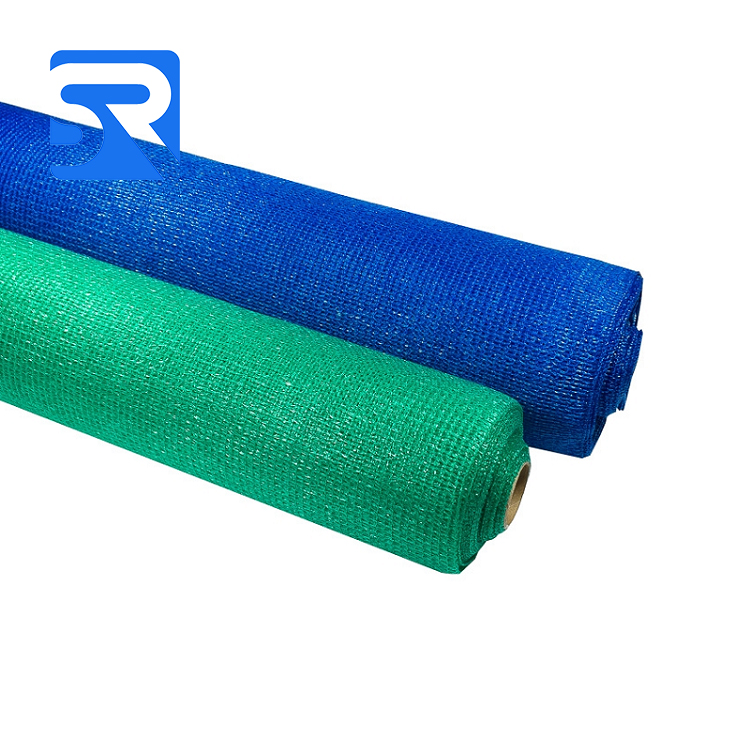
Color selection goes far beyond aesthetic matching with surrounding architecture. The pigment of the yarn fundamentally alters the thermal dynamics, optical clarity, and sun defense capabilities of the entire installation. Understanding the physics of light absorption and reflection dictates how comfortable the space below will actually be.
Darker textiles, such as black, charcoal, and deep navy, absorb both UV rays and infrared heat. This absorption prevents solar energy from reaching the area directly below the canopy. Dark colors provide the absolute best glare reduction. Because they absorb light rather than scattering it, they offer the crispest outward visibility. You can see through a dark mesh much more clearly than a light mesh. However, because they absorb significant heat, the fabric itself becomes hot to the touch. This carries a specific heat retention warning. Dark fabrics are ideal only for high-clearance installations. The absorbed heat must have adequate vertical space to dissipate into the atmosphere well above the occupied zone. If installed too low, they act as radiant heaters.
Lighter shades, including white, sand, and cream, operate on reflection. They reflect visible light and infrared heat away from the structure. This keeps the physical fabric much cooler and significantly reduces ambient heat retention underneath. However, this high reflectivity makes them prone to severe glare. The scattered light makes it difficult to see through the mesh. They also show dirt, bird droppings, and environmental debris much more easily, requiring frequent cleaning. Furthermore, light colors may have slightly lower UV blockage percentages compared to their dark counterparts in the exact same weave configuration, as dark pigments naturally absorb more radiation.
Use dark colors (black, charcoal) for installations over 12 feet high to maximize glare reduction and UV blockage.
Use light colors (white, sand) for low-clearance installations under 10 feet to prevent radiant heat buildup.
Use mixed tones (green, terracotta) to blend with natural landscaping while balancing heat absorption and reflection.
Permeable vs. Waterproof Fabrics: Structural Implications
Choosing between rain protection and structural simplicity is a critical engineering junction. The decision alters the entire scope of the installation, dictating the size of the footings, the thickness of the steel posts, and the complexity of the tensioning hardware.
A standard outdoor shade cloth features a knitted, permeable structure. This porous design allows rising hot air to escape upward through the canopy, creating a natural cooling draft. It also permits rain to pass directly through the material. Because wind and water pass through, the aerodynamic drag coefficient remains relatively low. This requires standard tensioning and standard mounting hardware. The porous nature significantly lowers the risk of the wind-sail effect, reducing the dynamic load placed on structural posts during severe storms. A typical permeable installation might require 12-inch diameter concrete footings poured to a depth of 36 inches.
Waterproof variants demand rigorous architectural planning and heavy engineering. Because they form an impermeable barrier, they catch every ounce of wind and hold every drop of water. They require a minimum 20-degree pitch to ensure rapid and proper water runoff. Without this steep pitch, water pools rapidly in the center. The sheer weight of pooled water will stretch the fabric beyond its memory limit, permanently warping the material and eventually collapsing the structure. Waterproof installations demand heavy-duty structural posts with thick wall profiles and massive concrete footings to handle the exponentially increased wind uplift and hydrostatic weight loads. The same size canopy in a waterproof material might require 24-inch diameter footings poured to a depth of 48 inches with a heavy rebar cage.
Implementation Risks and Mitigation
Understanding common failure points prevents catastrophic structural damage and premature material wear. Even the highest-grade architectural fabric will fail rapidly if installed using flawed geometry or inferior hardware.
Inaccurate measurement is the most common point of failure. Installers frequently fail to account for the necessary tensioning gap. You must leave a precise gap—typically 10% to 15% of the total length—between the fabric edge and the mounting point. This gap provides the physical space required for turnbuckles to stretch the fabric tight. If you measure edge-to-edge without this deduction, the hardware will bottom out before the fabric is taut. Failing to measure the varying heights of anchor points also leads to warped, poorly tensioned sails that lack the necessary hyperbolic paraboloid shape.
Hardware failures present severe safety risks. Using standard zinc-plated or galvanized hardware is a critical error in tensioned structures. Non-marine-grade metals rust quickly when exposed to outdoor moisture. The threads on cheap turnbuckles strip, and standard carabiners warp under continuous dynamic tension. Always specify marine-grade 316 stainless steel turnbuckles, shackles, and D-rings to ensure the anchoring system outlasts the fabric. Additionally, the perimeter of the fabric must be reinforced. A stainless steel wire rope threaded through a perimeter pocket distributes tension far more evenly than a simple sewn webbing edge.
Improper tensioning destroys the structural integrity of the textile. Under-tensioning leads to wind-whip. The fabric violently flaps and snaps in the breeze. This constant mechanical friction destroys the polymer fibers prematurely, leading to fraying and tearing. Conversely, over-tensioning pulls out mounting points from the fascia or tears the reinforced hems right off the fabric body. Achieving the correct stretch-to-memory balance is vital. The fabric must be drum-tight to resist wind shear, utilizing the engineered catenary curves sewn into the edges to distribute the load evenly across the entire surface area.
Conclusion
Execute the following steps to finalize your canopy installation:
Measure the three-dimensional coverage area, factoring in a 10% to 15% tensioning deduction for all mounting points.
Select a commercial-grade HDPE fabric with a minimum 300 GSM and a verified UPF 40+ rating for human occupancy areas.
Specify marine-grade 316 stainless steel hardware, including turnbuckles and perimeter wire rope, to prevent rust and mechanical failure.
Design the mounting layout with a minimum 1:5 height variation to create a stable hyperbolic paraboloid shape that resists wind shear.
FAQ
Q: What is the difference between shade factor and UV blockage?
A: Shade factor measures the percentage of visible light blocked by the fabric, determining how dark the shadow is. UV blockage measures the percentage of harmful ultraviolet radiation stopped. A fabric can block visible light effectively while still allowing dangerous UV rays to pass through the weave, making independent UPF ratings critical for safety.
Q: What is the difference between commercial and residential grade shade cloth?
A: Commercial grade fabric features a much higher Grams per Square Meter (GSM) weight, typically exceeding 300 GSM. It utilizes thicker yarns and denser knits to withstand severe wind loads and continuous dynamic tension. Residential grades are lighter, usually under 200 GSM, and are suited only for smaller, lower-stress residential spans.
Q: How long does HDPE shade fabric typically last outdoors?
A: High-quality, UV-stabilized HDPE fabric can last between 10 to 15 years in harsh outdoor environments. Its lifespan depends heavily on maintaining drum-tight tension to prevent wind-whip, adequate chemical UV treatments during extrusion, and regular maintenance to prevent abrasive wear against mounting structures.
Q: Does the color of outdoor shade cloth affect its UV resistance and heat retention?
A: Yes. Dark colors absorb more heat and UV radiation, offering superior glare reduction but requiring higher mounting heights to dissipate the absorbed heat safely. Light colors reflect heat, keeping the immediate area cooler, but they may have slightly lower UV blockage and produce higher visual glare.
Q: What is the minimum UPF rating required for effective human sun protection?
A: For effective human sun protection, look for a minimum UPF 40+ rating. This ensures the fabric blocks at least 95% to 97.5% of harmful ultraviolet radiation, significantly reducing the risk of sunburn, thermal discomfort, and long-term skin damage for people underneath.
Q: How much smaller should a shade cloth be than its mounting points?
A: The fabric should be approximately 10% to 15% smaller than the total distance between the physical mounting points. This specific deduction allows enough space for turnbuckles and tensioning hardware to stretch the fabric tightly without bottoming out the hardware threads.


