

Increasing frequency of extreme heat events, non-stop solar radiation, and high UV indices force growers to re-evaluate canopy management. Environmental controls protect high-value crops from total failure. Tomatoes and peppers require high light levels for optimal fruit production. However, ambient temperatures exceeding 85°F–90°F (29°C–32°C) trigger severe heat stress. This thermal overload results in blossom drop, sunscald, fruit cracking, and massive reductions in marketable yield. Deploying the correct shade cloth requires balancing Photosynthetically Active Radiation (PAR) reduction with effective thermal management. You must lower the ambient canopy temperature without starving the plants of essential light. This guide evaluates the technical specifications of shade percentages, material types, and color dynamics to determine the optimal configuration for commercial and serious agricultural applications.
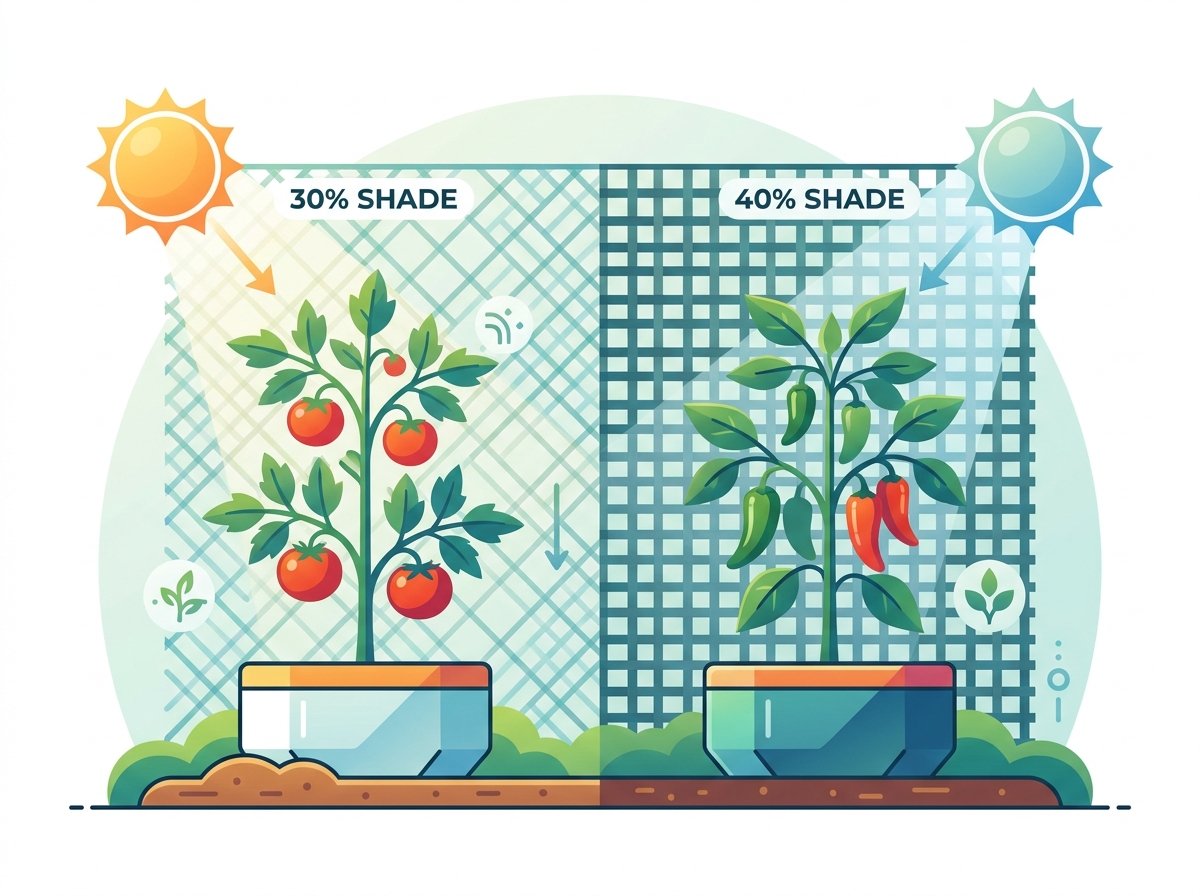
Optimal Density: A 30% shade cloth is the empirical baseline for heat-loving crops like tomatoes and peppers, providing sufficient cooling without severely inhibiting photosynthesis.
Climate-Specific Scaling: Growers in extreme UV, low-humidity, or arid environments (e.g., US Southwest, Southern California) may require 40% shade cloth, while densities of 50% or higher generally risk vegetative stretching and delayed ripening.
Material Integrity: Knitted agro shade netting offers superior durability and tear resistance compared to woven alternatives, particularly in high-wind agricultural settings.
Color Dynamics: Black shade cloth is ideal for colder climates or shoulder seasons where nighttime heat retention is needed, while white or aluminized cloth reflects radiation, offering superior ambient temperature reduction in extreme daytime heat.
Defining the Success Criteria: Heat Stress vs. Photosynthetic Demand
The Biological Thresholds of Tomatoes and Peppers
Tomatoes and peppers belong to the Solanaceae family. They thrive in warm environments but possess strict upper thermal limits. When daytime ambient temperatures exceed 90°F (32°C), physiological stress initiates. Nighttime temperatures above 75°F (24°C) compound this stress significantly. Under these conditions, pollen viability drops sharply. The pollen tubes fail to develop properly. Flowers fail to pollinate and subsequently drop off the vine. Agronomists refer to this yield-destroying phenomenon as blossom drop. You cannot recover lost fruit clusters once the flowers abort.
Sunscald presents another severe physical threat. Direct solar radiation physically burns the developing fruit tissue. The exposed skin turns white, papery, and eventually rots. Rapid temperature shifts also disrupt normal plant transpiration. Uneven moisture uptake causes the internal fruit volume to expand faster than the skin. This leads directly to radial and concentric fruit cracking. Unmitigated thermal stress destroys marketable yield rapidly. Growers lose massive harvest volume without proper environmental controls in place. Managing the canopy temperature directly correlates to your final harvest weight.
Stress Factor | Temperature Trigger | Physiological Impact on Plant | Resulting Crop Damage |
|---|---|---|---|
Daytime Heat Stress | > 90°F (32°C) | Pollen sterilization, stomatal closure | Blossom drop, stunted fruit growth |
Nighttime Heat Stress | > 75°F (24°C) | Excessive respiration, energy depletion | Poor fruit set, reduced sugar accumulation |
Direct Solar Radiation | High UV Index | Tissue necrosis on exposed fruit | Sunscald, unmarketable scarred fruit |
Rapid Moisture Fluctuation | Variable | Uneven internal cellular expansion | Radial and concentric fruit cracking |
The PAR Trade-Off
Photosynthetically Active Radiation (PAR) drives all plant growth. Fruiting crops demand high Daily Light Integral (DLI) values to produce heavy yields. DLI measures the total amount of PAR received over a 24-hour period. Tomatoes and peppers typically require a DLI between 15 and 30 mol/m²/day. Reducing light levels lowers ambient canopy temperatures effectively. However, cutting too much light stalls fruit development entirely. You must measure your baseline light levels before applying any physical barrier over the crop.
The core evaluation metric is maximizing temperature reduction while maintaining DLI above the minimum threshold. You must balance thermal protection with photosynthetic demand. Proper shading lowers leaf surface temperatures without starving the plant of energy. When stomata remain open, the plant continues to transpire and cool itself. The goal is to keep the plant operating within its optimal metabolic temperature range. Field managers use specific protocols to monitor this balance throughout the growing season.
Deploy a quantum light meter at the top of the crop canopy to measure baseline PAR during peak afternoon sun.
Calculate your current DLI over a full week to establish an average light accumulation metric.
Install a temporary test section of netting over a small crop block.
Measure the PAR reduction under the test section to ensure the DLI remains above 15 mol/m²/day.
Monitor leaf surface temperatures using an infrared thermometer to verify the cooling effect.
Evaluating Shade Percentages: 30% vs. 40% vs. 50%
30% Shade Cloth: The Industry Standard
A 30% shade cloth serves as the empirical baseline for heat-loving crops. This specific density allows approximately 70% light transmission to reach the canopy. It sustains vigorous fruiting while mitigating peak midday solar radiation. Mixed beds of tomatoes, peppers, cucumbers, and strawberries thrive under this exact configuration. The material intercepts enough infrared radiation to cool the immediate environment without triggering a shade-avoidance response in the plants.
This density prevents leaf scorch during peak summer months. Plants maintain high photosynthetic rates without suffering from heat exhaustion. The 30% rating prevents the stomata from closing during the hottest part of the day. Continuous transpiration keeps calcium moving through the plant, which prevents blossom end rot. This specific density offers the most reliable balance for standard agricultural zones across temperate climates. Indeterminate tomato varieties perform exceptionally well under this light filtration level, maintaining strong vegetative growth alongside heavy fruit set.
40% Shade Cloth: Applications for Extreme Microclimates
Certain environments demand heavier protection. Growers in the US Southwest or Southern California face extreme microclimates daily. These regions experience non-stop sun, exceptionally low humidity, and prolonged days over 95°F. High-altitude locations also suffer from intense UV exposure due to a thinner atmosphere. In these harsh scenarios, a 40% shade cloth outperforms lighter alternatives. The increased density provides the necessary thermal break to keep the canopy viable.
Pepper varieties are particularly vulnerable to sunscald. They possess sparser leaf canopies compared to dense, indeterminate tomatoes. The extra 10% reduction provides critical thermal relief for exposed pepper fruits. It prevents tissue damage without pushing DLI below fruiting thresholds in high-radiation zones. The heavier material also helps manage the Vapor Pressure Deficit (VPD) in arid climates. It traps a slight amount of moisture, preventing the ambient air from becoming too dry. This moisture retention keeps the stomata open longer, allowing the plant to process nutrients efficiently even during extreme heat waves.
The Risks of 50%+ Shade on Fruiting Solanaceae
Over-shading introduces severe agronomic risks to your crop. Applying 50% or higher densities to mature tomatoes and peppers limits PAR too drastically. Plants respond to low light by stretching rapidly toward the sun. This biological response creates weak, leggy, and etiolated growth. Internode spacing increases, resulting in fragile stems unable to support heavy fruit loads. The structural integrity of the plant compromises entirely under these low-light conditions.
Fruit ripening slows down significantly under heavy shade. Total marketable yield drops as the plant prioritizes vegetative extension over reproduction. Reserve 50% densities for shade-loving crops like leafy greens, lettuce, and brassicas. Nursery propagation and cloning operations also benefit from heavier shading. Mature fruiting Solanaceae require intense light to finish their crop cycles effectively. Applying heavy shade to a tomato crop will result in green fruit that refuses to turn red before the season ends.
Shade Percentage | Light Transmission | Best Agricultural Use Case | Risk Factor for Tomatoes/Peppers |
|---|---|---|---|
30% | 70% | Standard summer protection in temperate zones. | Minimal. Ideal balance of light and cooling. |
40% | 60% | Extreme heat, high altitude, or arid desert climates. | Slight reduction in early morning photosynthesis. |
50%+ | 50% or less | Leafy greens, ferns, and nursery propagation. | High risk of leggy growth and delayed fruit ripening. |
Material Specifications in Agro Shade Netting
Knitted vs. Woven Polyethylene
Material construction dictates physical durability and field performance. Knitted agro shade netting features a specialized lock-stitch design. This structural geometry resists unraveling when cut or punctured by trellis wires. It stretches slightly in all directions. This elasticity makes installation over hoops and high tunnels much easier. The material conforms to structural curves without tearing. You can cut holes for ventilation or structural posts without compromising the entire sheet.
Woven fabrics consist of straight yarns woven tightly together. They are highly rigid and prone to severe fraying if damaged. Knitted materials handle high-wind agricultural settings far better than woven options. Always verify UV-stabilization treatments before installation. Multi-season agricultural use requires high-density polyethylene (HDPE). The plastic must be chemically treated to withstand constant solar degradation over several years. Untreated plastics will become brittle and shatter into microplastics after a single summer of intense UV exposure.
Color Selection and Thermodynamic Impacts
Color dictates how the material interacts with incoming solar radiation. Black materials absorb heat directly from the sun. This characteristic makes black netting ideal for colder climates or shoulder seasons. Heat-loving crops benefit from the thermal retention radiating downward during cooler nights. However, black material can sometimes increase the temperature directly beneath it if airflow is poor. You must ensure adequate ventilation when using black materials to prevent trapping stagnant hot air.
White materials reflect light and diffuse it evenly across the crop canopy. This diffusion lowers ambient temperatures more effectively than black options in deep summer heat. Light penetrates deeper into the lower plant canopy, improving overall fruit coloration. Aluminized fabrics represent a premium reflective option. They provide maximum cooling during the day and excellent nighttime thermal retention. Assess your local climate extremes before selecting a specific color profile. Southern growers almost exclusively utilize white or aluminized options to combat extreme summer temperatures.
Implementation Risks and Structural Mitigation
Directional Deployment and Sun Exposure Patterns
Full canopy coverage is not always necessary or beneficial. Directional shading targets specific solar angles to optimize light exposure. Growers often install netting only on the west or south-facing sides of a field trellis. This strategy allows crops to receive full, gentle morning sun. Morning light drives early photosynthesis without inflicting extreme heat stress. The plants dry off quickly from morning dew, reducing the risk of fungal infections.
The barrier then protects the plants from harsh, filtered early afternoon and late-day radiation. This targeted approach maximizes total daily light exposure while eliminating peak thermal stress. Directional deployment works exceptionally well for pepper rows. It prevents afternoon sunscald while keeping the morning canopy dry, which reduces fungal disease pressure. You can attach the material directly to the existing trellis wire, creating a vertical wall of protection rather than a horizontal roof.
Wind Load and Infrastructure Stress
Adding a dense canopy cover increases aerodynamic wind resistance significantly. High tunnels, hoop houses, and field trellises face immense infrastructure stress during summer storms. Wind load can bend metal frames or uproot ground anchors easily. Proper structural mitigation strategies are absolutely mandatory for field safety. You cannot simply drape the material over a frame and expect it to survive a thunderstorm.
Ensure proper grommet spacing along the reinforced taped edges of the material. Run monofilament support wires across the top of the structure to prevent sagging. Utilize heavy-duty bungee tie-downs instead of rigid nylon ropes. Bungees absorb sudden wind shock and allow the material to flex under heavy gusts. This flexibility prevents the fabric grommets from tearing out during severe weather events. Follow these specific steps to secure your installation against high winds:
Install ground anchors at a 45-degree angle to maximize pull-out resistance.
Space factory-installed grommets no more than 24 inches apart along all load-bearing edges.
Thread UV-resistant bungee cords through every grommet to distribute tension evenly.
Install anti-billow ropes diagonally across the top of the canopy to prevent the material from lifting.
Inspect all attachment points weekly for signs of abrasion or material fatigue.
Airflow Restriction and Disease Pressure
Trapping humidity beneath the canopy creates ideal conditions for fungal pathogens. Botrytis and powdery mildew thrive in stagnant, damp air environments. Maintaining adequate airflow is critical for plant health. Install the netting with a minimum clearance of two to three feet above the highest anticipated crop canopy. This buffer zone allows hot air to rise and escape before it damages the upper fruit clusters.
Leave the sides of the structure completely open for lateral ventilation. Cross-breezes push hot, humid air out from under the roof structure. Proper structural height prevents microclimate stagnation. It keeps the leaf boundary layer active, promoting healthy transpiration and reducing overall disease pressure. You should also maintain an aggressive pruning schedule. Removing the lower leaves of tomato plants improves airflow at the soil level, further reducing humidity buildup beneath the canopy.
Deployment Timing and Retractable Systems
Leaving the cover on during prolonged cloudy periods harms crop development. Late-season cooling also requires maximum light penetration for final fruit ripening. Manual deployment carries operational risks if weather patterns shift rapidly. You must monitor daily forecasts closely. Remove the cover when daytime highs consistently drop below 80°F. Leaving the barrier in place during autumn will severely delay your final harvest.
Automated retractable systems offer precise, real-time light management. They pull the cover back automatically during overcast days. They deploy it instantly during peak afternoon heat. Evaluate the return on investment for retractable infrastructure based on your operation size. For manual setups, prioritize quick-release carabiners to make removal fast and efficient. A well-designed manual system allows two workers to uncover a 100-foot high tunnel in under ten minutes.
Conclusion
Measure your high tunnel or field trellis dimensions, adding 10% extra square footage to account for structural overhangs and secure tie-down points.
Order a 30% knitted polyethylene fabric with factory-installed grommets and reinforced taped edges for standard summer protection.
Install the material using heavy-duty bungee tie-downs, ensuring a minimum of two feet of clearance above the mature crop canopy to maintain lateral airflow.
Monitor local weather forecasts and manually retract the cover when daytime high temperatures consistently drop below 80°F to maximize late-season fruit ripening.
FAQ
Q: What percentage shade cloth is best for tomatoes?
A: A 30% density is the optimal baseline for tomatoes. This allows 70% of sunlight to reach the canopy, ensuring high photosynthetic rates for optimal fruit production. It intercepts just enough solar radiation to prevent heat stress, blossom drop, and fruit cracking during peak summer months.
Q: Can I use 50% shade cloth for peppers?
A: Using 50% is generally too dense for peppers. It restricts too much light, causing the plants to become weak and leggy as they stretch for the sun. This leads to delayed ripening and lower overall yields. Stick to 30% or 40% for fruiting crops.
Q: Does the color of the shade cloth matter for vegetables?
A: Yes, color impacts thermodynamics. Black retains heat, making it useful in cooler climates to keep plants warm at night. White and aluminized options reflect solar radiation and diffuse light evenly, providing superior ambient cooling and preventing heat stress in extreme summer environments.
Q: When should I put shade cloth on my tomatoes?
A: Deploy the cover when daytime high temperatures consistently exceed 85°F to 90°F. Remove it when temperatures drop in the late season or during prolonged cloudy periods. Alternatively, use directional shading to block only the harsh afternoon sun while allowing full morning light.
Q: What is the difference between knitted and woven agro shade netting?
A: Knitted netting features a lock-stitch design that will not unravel or fray if punctured or cut. It also stretches slightly for easier installation. Woven alternatives are rigid and fray easily when damaged. Knitted materials are far more durable for demanding agricultural environments.
Q: Will shade cloth prevent blossom drop and fruit cracking in tomatoes?
A: Yes. By lowering the ambient canopy temperature below the pollen sterilization threshold, it prevents heat-induced blossom drop. It also regulates moisture evaporation and transpiration rates, which directly mitigates the rapid internal expansion that causes fruit splitting and cracking.


