

Weeds are a common challenge for gardeners and landscapers. Whether you’re tending to a vegetable garden, flower beds, or even a simple lawn, weeds can quickly overtake and hinder the growth of desirable plants. While there are numerous ways to manage weed growth, it’s important to choose a method that fits your gardening goals, the size of the area, and your maintenance preferences. Two of the most popular approaches for weed control are weed control fabric and traditional weed control methods.
In this article, we’ll compare these two methods—weed control fabric and traditional approaches—based on factors like effectiveness, cost, ease of use, and long-term sustainability. By the end of this article, you’ll have a clearer understanding of which method is best for your needs.
What is Weed Control Fabric?
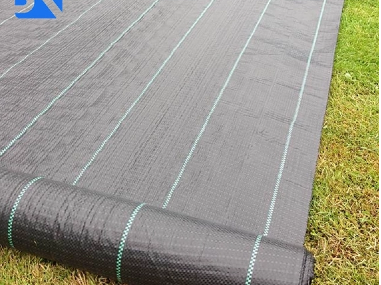
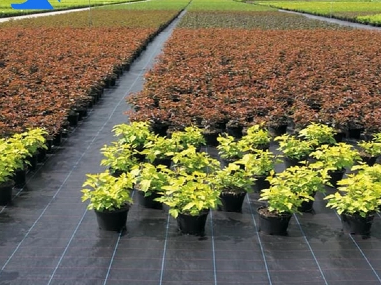
Weed control fabric, also known as landscape fabric or weed barrier fabric, is a specialized material designed to prevent weed growth. It works by blocking sunlight from reaching the soil, which is necessary for weed seeds to germinate. At the same time, weed control fabric allows water, air, and nutrients to pass through to the soil, ensuring that your plants receive the resources they need to thrive.
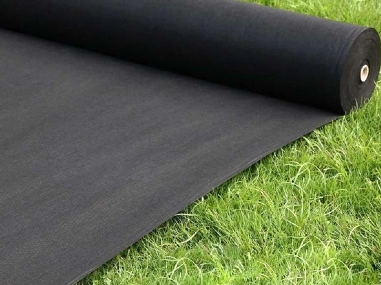
Made from synthetic materials like polypropylene, polyester, or natural fibers like jute, weed control fabric comes in rolls that can be laid down across the soil in garden beds, around trees and shrubs, or along walkways. It’s available in a variety of types, including woven, non-woven, and UV-resistant fabrics, each offering different advantages depending on the gardening environment.
What Are Traditional Weed Control Methods?
Traditional weed control methods refer to manual, chemical, and organic approaches that gardeners have used for years to prevent or eliminate weed growth. These methods can be broadly categorized as:
Manual Weeding
This involves physically pulling weeds from the soil by hand or using garden tools. It’s a labor-intensive method that requires regular maintenance to keep weeds under control.
Chemical Herbicides
Chemical herbicides are chemical solutions designed to kill or prevent weeds. They come in selective formulas (which target specific weed types) and non-selective formulas (which kill all plants they come into contact with). Herbicides can be applied directly to weeds or used as pre-emergence treatments to prevent weed seeds from germinating.
Organic Weed Control
Organic methods, such as mulching, using vinegar, salt, or homemade weed killers, are less harmful to the environment and beneficial insects compared to chemical herbicides. These methods can be effective in suppressing weeds without introducing chemicals into the garden.
Physical Barriers
This includes techniques like laying down layers of mulch, using cardboard or newspaper, and placing stones or gravel to prevent weed growth. These materials act as a barrier to stop weeds from reaching the surface while also improving soil structure.
Comparison of Weed Control Fabric vs. Traditional Weed Control Methods
Let’s now compare weed control fabric to traditional weed control methods across several key factors, including effectiveness, cost, ease of use, and long-term sustainability.
1. Effectiveness in Weed Control
Weed Control Fabric:
Weed control fabric is one of the most effective ways to prevent weed growth in the long term. By physically blocking sunlight, it stops weed seeds from germinating. Since the fabric also allows water and nutrients to reach the soil, it helps your plants thrive while preventing weeds from taking root. Once installed, it typically requires minimal intervention, making it a hands-off solution for weed control.
Moreover, unlike manual weeding, which requires ongoing maintenance, weed control fabric continues to perform effectively for several years (depending on the quality and type of fabric), reducing the frequency of interventions.
Traditional Methods:
Manual Weeding: This is an effective method, but it requires regular attention. Weeding must be done consistently, especially after rain or during growing seasons when weeds are more likely to sprout. Manual weeding is labor-intensive and can become overwhelming for large garden areas.
Chemical Herbicides: Herbicides can be very effective at quickly killing weeds, but they may harm the environment, soil health, and beneficial insects like bees and earthworms. They also do not address the root cause of weed growth—weed seeds in the soil. Additionally, weeds may develop resistance over time, reducing the effectiveness of chemical treatments.
Organic Weed Control: Organic methods, such as mulching or using natural weed killers, can be effective for suppressing weeds. However, they typically require more frequent applications and may not provide the long-lasting results that weed control fabric offers. Additionally, organic solutions often work better for small-scale gardens and might not be as effective for large, heavily weed-infested areas.
Physical Barriers: Using mulch or cardboard can suppress weed growth by blocking sunlight, but these methods are not foolproof. Weeds may still find their way through gaps, especially if the mulch or barrier material degrades over time.
Winner: Weed Control Fabric is the most effective method for long-term, hands-off weed prevention.
2. Cost
Weed Control Fabric:
The initial cost of weed control fabric can be relatively high, especially for large garden areas. However, considering its durability and long-term effectiveness (lasting several years), the cost per year of use is relatively low. Additionally, the fabric reduces the need for frequent weeding or the purchase of herbicides, making it cost-effective in the long run.
Traditional Methods:
Manual Weeding: While free, this method can be time-consuming and labor-intensive, potentially resulting in a higher cost for your time and effort.
Chemical Herbicides: The upfront cost of herbicides is typically lower than weed control fabric, but the need for regular reapplication can increase costs over time. Additionally, herbicides can harm soil health, potentially leading to additional costs in soil remediation.
Organic Weed Control: Organic solutions like mulching, vinegar, or salt are generally inexpensive, but they may need frequent reapplication to remain effective. Mulch can also be costly, especially for large areas, and may need to be replaced annually.
Physical Barriers: Materials like cardboard and newspaper are cheap, but they may not provide long-lasting results. Mulch, though effective, can become costly, particularly in larger gardens.
Winner: Traditional Methods (Manual Weeding, Organic Weed Control, and Physical Barriers) can be more cost-effective upfront, but the long-term costs of maintenance and reapplication make them less economical in the long run compared to weed control fabric.
3. Ease of Use
Weed Control Fabric:
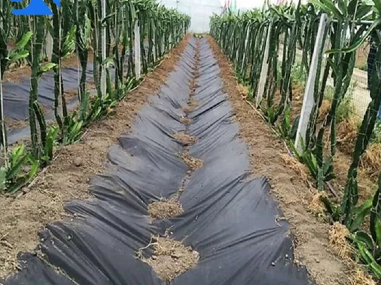
Once weed control fabric is installed, it requires very little maintenance. Simply lay the fabric over the soil, secure it with landscape staples, and optionally cover it with mulch or gravel for aesthetic purposes. The fabric prevents weeds from growing, meaning you won’t have to spend time pulling weeds or spraying chemicals. This ease of use makes it ideal for busy gardeners or those who want to minimize ongoing labor.
Traditional Methods:
Manual Weeding: This method requires consistent effort, especially during peak growing seasons. Weeding can be time-consuming and tiring, particularly for large areas.
Chemical Herbicides: Herbicides are easy to apply and provide quick results, but they require caution. Overuse of chemicals can harm plants, soil, and beneficial insects, making it important to follow instructions carefully.
Organic Weed Control: Organic methods like using vinegar or salt require multiple applications and can be inconsistent, especially in areas with a high weed density. Mulching and using physical barriers can also take time to install and maintain.
Winner: Weed Control Fabric is the easiest to install and maintain over time.
4. Environmental Impact
Weed Control Fabric:
Weed control fabric has a relatively low environmental impact, especially when made from biodegradable or UV-resistant materials. It prevents the need for chemical herbicides, which can harm the environment, water supplies, and non-target plants and animals. Additionally, weed control fabric helps to retain moisture in the soil, reducing the need for frequent watering, which can be beneficial in drought-prone areas.
Traditional Methods:
Manual Weeding: This method is the most environmentally friendly since it involves no chemicals or additional materials.
Chemical Herbicides: Herbicides can negatively affect soil health, pollute water supplies, and harm beneficial insects, such as bees, which are vital for pollination.
Organic Weed Control: Organic methods are generally environmentally friendly, especially if using natural solutions like vinegar or salt. However, organic herbicides still have the potential to damage plants if not used properly, and they can have unintended consequences on soil health.
Physical Barriers: While physical barriers like mulch and cardboard are relatively eco-friendly, they can degrade over time and may require disposal, leading to waste.
Winner: Manual Weeding and Organic Weed Control are the most environmentally friendly, with weed control fabric and physical barriers offering low impact as well.
Conclusion
When it comes to choosing the best method for controlling weeds, weed control fabric is a superior option for long-term, low-maintenance, and effective weed suppression. It requires little upkeep, saves time and money, and can provide lasting protection for several years. While traditional methods like manual weeding and organic approaches can be effective, they tend to be more labor-intensive, and herbicides may have environmental drawbacks. Weed control fabric provides a balanced solution with minimal environmental impact and long-lasting benefits.
If you’re looking for a hands-off, efficient, and cost-effective way to control weeds in your garden or landscape, weed control fabric is the way to go. Whether you are dealing with a small flower bed, a vegetable garden, or a large landscaped area, using the right fabric for the job can ensure your garden stays healthy and beautiful without the constant struggle against weeds.