


When it comes to landscaping, creating a beautiful and functional outdoor space requires careful planning and a strategic approach to maintain its health and aesthetics. One of the most effective tools in the gardener's arsenal is ground cover fabric. This versatile material, often referred to as weed barrier fabric or landscape fabric, plays a critical role in promoting healthier plants while keeping weeds at bay.
In this article, we’ll explore how ground cover fabric enhances your landscaping and controls weeds, the different types of ground cover fabrics available, and tips for proper installation and maintenance. Whether you're a seasoned gardener or a beginner, understanding the benefits and proper use of ground cover fabric will help you achieve a cleaner, more vibrant landscape with less effort.
What is Ground Cover Fabric?
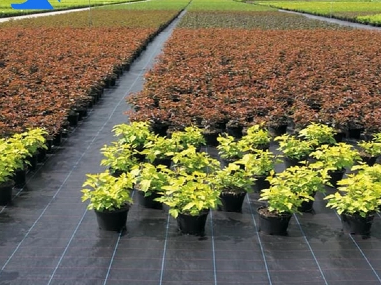
Ground cover fabric is a permeable material used in landscaping to suppress weed growth, promote healthier soil, and reduce soil erosion. It is typically made from either woven or non-woven polypropylene, polyester, or other synthetic materials, although there are also eco-friendly options made from natural fibers. The fabric acts as a barrier between the soil and the surface above it, blocking sunlight from reaching weed seeds while allowing air, water, and nutrients to pass through to the plants below.
Ground cover fabric is available in various thicknesses and sizes, making it suitable for a wide range of landscaping projects, from garden beds and flower borders to large-scale landscape projects such as pathways and driveways.
How Ground Cover Fabric Enhances Landscaping
1. Weed Control
Weeds are one of the most persistent challenges in any garden or landscape. They compete with your plants for water, nutrients, and sunlight, often hindering their growth and overall health. Ground cover fabric is an excellent tool for preventing weeds from establishing themselves in your garden beds, vegetable plots, or flower borders.
By blocking sunlight from reaching the soil, the fabric prevents the germination of weed seeds. Since most weeds require sunlight to sprout, the fabric effectively starves them of this essential resource. Additionally, since the fabric is designed to allow water, air, and nutrients to pass through, it doesn't hinder the growth of your desired plants, which can continue to thrive beneath the barrier.
Ground cover fabric is particularly beneficial for controlling perennial weeds (weeds that come back year after year) and invasive species that tend to spread quickly, such as crabgrass, dandelions, and bindweed. By installing the fabric at the right time, you can drastically reduce the need for chemical herbicides or regular weeding, saving you time and effort.
2. Moisture Retention
One of the challenges gardeners face, especially in warmer climates, is maintaining proper soil moisture. During hot summer months or periods of drought, it can be difficult to keep the soil from drying out. Ground cover fabric helps retain moisture by reducing evaporation. When used in combination with mulch, it creates a more efficient moisture retention system that helps keep the soil underneath cool and hydrated.
The fabric allows water to seep through and reach the soil, but it slows down the rate of evaporation by blocking direct sunlight from hitting the soil surface. This means your plants can maintain a steady supply of moisture, which is especially important for newly planted shrubs, trees, or vegetable gardens that need consistent hydration to grow properly.
By retaining moisture, ground cover fabric also helps reduce the need for frequent watering, which can save both time and water, making it a sustainable option for maintaining your landscape.
3. Soil Erosion Prevention
Soil erosion can be a serious problem in areas with heavy rainfall, steep slopes, or high winds. Erosion can wash away precious topsoil, degrade soil quality, and damage plants by exposing their roots. Ground cover fabric helps to prevent soil erosion by stabilizing the soil and protecting it from the elements.
When installed properly, the fabric holds the soil in place, reducing the impact of rain and wind. It creates a solid barrier that helps prevent surface soil from being washed away, especially in areas like hillsides or flower beds near sidewalks or driveways. Additionally, ground cover fabric helps promote the establishment of plants whose roots can further reinforce the soil, providing long-term erosion control.
By preventing erosion, the fabric also helps maintain the integrity of your landscape design and keeps your garden beds looking neat and tidy.
4. Improved Soil Health
While ground cover fabric prevents weed growth and retains moisture, it also plays a role in improving soil health. The fabric allows water and nutrients to penetrate the soil, encouraging plant roots to grow deeper and stronger. This results in healthier plants that are better able to resist disease and pests.
Additionally, the fabric helps maintain the optimal temperature of the soil, protecting it from extreme heat or cold. It helps moderate the soil temperature, keeping it warmer in the winter and cooler in the summer, which benefits the root systems of plants.
The fabric also minimizes the need for regular tilling or disturbing the soil, which can damage delicate soil structure or disrupt beneficial organisms like earthworms. As a result, the overall health and vitality of your garden or landscape improve, leading to stronger plants and more vibrant growth.
5. Aesthetic Appeal
Ground cover fabric also helps create a clean, uniform look in your garden or landscape. When used as a weed barrier in garden beds, the fabric provides a smooth and neat base for your plants to grow. It helps eliminate the messy appearance of weeds sprouting between flower beds, along pathways, or in other areas.
Moreover, ground cover fabric can serve as an effective base layer for decorative landscaping materials such as wood chips, gravel, or mulch. This makes your landscape look more polished and helps to create defined areas within your garden, making it easier to organize and maintain.
Since the fabric helps prevent weed growth, it ensures that the plants in your landscape have room to thrive without being overshadowed by invasive vegetation. This contributes to the overall aesthetic appeal and organization of your outdoor space.
Types of Ground Cover Fabric
There are two main types of ground cover fabric: woven and non-woven.
1. Woven Fabric
Woven ground cover fabric is made from interlaced fibers, creating a strong and durable material. It is commonly used for areas where heavy-duty weed control is required. Woven fabrics are breathable and allow water and nutrients to flow through the fabric, while still blocking weeds.
Pros:
Durable and strong
Effective in preventing large weeds and invasive plants
Suitable for use in high-traffic areas
Cons:
Can be difficult to cut and shape
May degrade over time due to exposure to UV light
2. Non-Woven Fabric
Non-woven ground cover fabric is made from bonded fibers that are typically needle-punched or thermally bonded. This fabric is softer and more flexible than woven fabric and is ideal for areas where lighter weed control is needed.
Pros:
Easier to install and cut
More affordable than woven fabric
Ideal for smaller garden beds or temporary use
Cons:
Less durable than woven fabric
May need to be replaced more frequently in areas with heavy foot traffic
How to Install Ground Cover Fabric
Proper installation is key to maximizing the benefits of ground cover fabric. Follow these steps to ensure your fabric provides effective weed control and soil protection:
Prepare the Soil: Start by clearing the area of existing weeds, rocks, and debris. If necessary, amend the soil by adding compost or other organic material to improve soil health.
Measure and Cut the Fabric: Measure the area you need to cover and cut the fabric to size, allowing extra fabric along the edges for overlap.
Lay the Fabric: Unroll the fabric over the prepared soil, ensuring it is flat and smooth. Avoid leaving wrinkles, as this can create gaps where weeds can grow. If you're covering a large area, you may need to overlap the fabric by several inches.
Secure the Fabric: Use landscape staples or pins to secure the fabric in place, especially around the edges. These will hold the fabric down and prevent it from shifting over time.
Cover the Fabric: Once the fabric is secured, you can cover it with a layer of mulch, gravel, or decorative stones. This will protect the fabric from UV degradation and improve the overall appearance of your landscape.
Maintain the Fabric: Check the fabric periodically for damage or wear and tear. Over time, it may become clogged with dirt or debris, so it’s important to keep it clean to ensure optimal performance.
Conclusion
Ground cover fabric is an invaluable tool for landscaping, offering a range of benefits from weed control and moisture retention to soil erosion prevention and enhanced soil health. By blocking sunlight and preventing weed growth while allowing water and nutrients to pass through, ground cover fabric creates the ideal environment for your plants to thrive.
Whether you're working on a small garden or a larger landscaping project, using the right type of ground cover fabric can save you time and effort in maintenance, improve the overall appearance of your landscape, and contribute to healthier, more sustainable gardening practices. With proper installation and care, ground cover fabric will continue to provide lasting benefits, helping you maintain a beautiful and well-organized outdoor space for years to come.