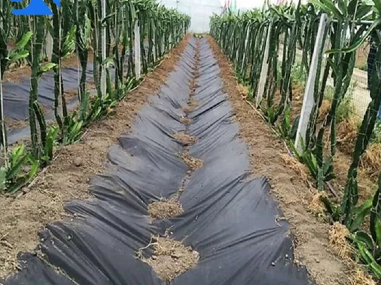


When it comes to maintaining a healthy, beautiful garden, one of the most common challenges is dealing with weeds. Weeds can quickly take over your garden beds, competing with your plants for water, nutrients, and sunlight. Fortunately, ground cover fabric offers an effective, low-maintenance solution to prevent weeds, retain moisture, and protect your soil from erosion. But with so many different types of ground cover fabrics available on the market, how do you choose the right one for your garden?
In this complete guide, we’ll walk you through everything you need to know to choose the perfect ground cover fabric for your garden. We’ll cover the benefits, types, and installation tips, along with how to determine which fabric is best suited for your garden’s specific needs.
What is Ground Cover Fabric?
Ground cover fabric, also known as weed barrier fabric or landscape fabric, is a material used in landscaping to suppress weed growth, improve soil health, and prevent soil erosion. It works by blocking sunlight from reaching weed seeds, which prevents them from germinating, while still allowing water, air, and nutrients to pass through to the soil and plants.
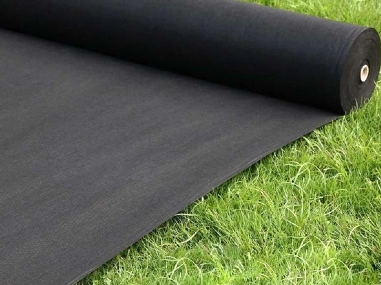
Ground cover fabric is typically made from either woven or non-woven materials, often polypropylene or polyester, though there are also eco-friendly options made from natural fibers. It comes in rolls of varying lengths, widths, and thicknesses, making it suitable for a wide range of landscaping applications, from flower beds to vegetable gardens and even large-scale landscaping projects.
Why Use Ground Cover Fabric?
Before diving into how to choose the right ground cover fabric, it’s important to understand the key benefits of using this material in your garden.
1. Weed Control
The primary benefit of ground cover fabric is its ability to suppress weed growth. Weeds need sunlight to germinate and thrive, and ground cover fabric blocks that light from reaching the soil, preventing weed seeds from sprouting. This reduces the need for manual weeding or the use of chemical herbicides, making it an eco-friendly and labor-saving solution.
2. Soil Moisture Retention
Ground cover fabric helps retain moisture in the soil by reducing evaporation. This is especially beneficial during hot summer months or in areas with dry climates. By keeping the soil consistently moist, plants are better able to thrive and grow, which is particularly important for new plants or vegetables that require stable moisture levels.
3. Erosion Prevention
If you have areas in your garden that are prone to erosion, such as slopes or areas near walkways, ground cover fabric can help. The fabric holds the soil in place, preventing it from washing away during rainstorms or windy conditions. This helps maintain the integrity of your garden beds and ensures that your plants have a stable environment to grow.
4. Improved Soil Health
By blocking weeds and retaining moisture, ground cover fabric helps improve soil health. It keeps the soil temperature more consistent and prevents soil compaction, which allows plant roots to grow deeper. Additionally, by reducing the need for tilling, it helps protect the soil structure and beneficial organisms such as earthworms, which are vital for a healthy garden.
5. Low Maintenance
Ground cover fabric reduces the need for constant garden maintenance. Once installed, it minimizes the need for weeding, watering, and soil management, allowing you to focus on other aspects of your garden. This makes it an ideal solution for busy gardeners or those who prefer low-maintenance landscaping.
Types of Ground Cover Fabric
There are several different types of ground cover fabric available, each with unique features that make them suitable for different garden conditions and purposes. Understanding these options will help you choose the best one for your garden.
1. Woven Fabric
Woven ground cover fabric is made from interlaced threads, creating a durable and strong material. It is often used in areas where heavy-duty weed control is required. Woven fabrics are breathable, meaning they allow water, air, and nutrients to pass through to the soil. However, they block sunlight, which prevents weed seeds from germinating.
Advantages:
Very durable and strong
Long-lasting and able to withstand foot traffic
Ideal for large areas or high-traffic zones like walkways or driveways
Disadvantages:
More difficult to cut and shape than non-woven fabrics
Can be more expensive than other types
2. Non-Woven Fabric
Non-woven fabric is made by bonding fibers together, either through thermal bonding or needle-punching. This fabric is softer and more flexible than woven fabric and is typically used for lighter weed control and erosion prevention. Non-woven fabrics are also breathable and allow moisture and nutrients to pass through, but they are not as durable as woven fabric.
Advantages:
Easier to install and cut
More affordable than woven fabrics
Ideal for small garden beds or temporary applications
Disadvantages:
Less durable than woven fabrics, especially in high-traffic areas
May need to be replaced more frequently than woven fabrics
3. Biodegradable Fabric
Biodegradable ground cover fabric is made from natural materials such as jute, coir (coconut fiber), or burlap. These fabrics decompose over time, making them an environmentally friendly choice. They are often used for temporary weed control or in organic gardens where gardeners prefer to avoid synthetic materials.
Advantages:
Environmentally friendly and biodegradable
Ideal for organic gardening or temporary projects
Safe for use around plants and in vegetable gardens
Disadvantages:
Not as durable as synthetic fabrics
Breaks down over time, requiring replacement
Limited availability compared to synthetic fabrics
4. UV-Resistant Fabric
UV-resistant fabrics are treated to resist damage from prolonged exposure to the sun’s ultraviolet rays. These fabrics are designed to last longer in direct sunlight and are typically used in gardens or landscapes that experience high levels of sun exposure.
Advantages:
Longer lifespan in sunny areas
Resistant to UV degradation
Ideal for gardens with high sun exposure
Disadvantages:
May be more expensive than standard fabrics
Not biodegradable, as most UV-resistant fabrics are synthetic
Factors to Consider When Choosing Ground Cover Fabric
When selecting ground cover fabric for your garden, there are several factors to consider to ensure you choose the best option for your needs.
1. Climate and Sun Exposure
The amount of sunlight your garden receives is an important factor in choosing the right fabric. If your garden is in full sun, a UV-resistant fabric or a woven fabric that can withstand sun exposure will be necessary. For shady gardens, a non-woven or biodegradable fabric might be more suitable, as it can provide adequate weed control while still allowing moisture and nutrients to pass through.
2. Type of Plants and Garden Beds
Consider the plants you are growing when choosing ground cover fabric. For gardens with delicate or shallow-rooted plants, non-woven fabrics may be a better option as they are softer and won’t damage plant roots. If you’re working with heavy-duty projects like paths or driveways, woven fabric may be the better choice due to its durability.
3. Weed Pressure
If you are dealing with a garden that has heavy weed pressure, a woven fabric or a UV-resistant synthetic fabric will provide the most effective weed control. For gardens with mild weed problems, a non-woven fabric or biodegradable fabric may suffice.
4. Durability
For long-lasting results, woven fabric tends to be the most durable. It is perfect for high-traffic areas or garden beds that will be in use for many years. However, if you’re looking for a more temporary solution or are working with smaller beds, a non-woven or biodegradable fabric might be a better choice, as it is less expensive and easier to install.
5. Environmental Impact
If you’re looking for an eco-friendly option, biodegradable fabrics made from natural materials such as jute or coir are ideal. These materials break down over time, allowing for a natural, sustainable solution. However, if you need a long-lasting option, synthetic fabrics like woven and non-woven may be more suitable, though they are not biodegradable.
How to Install Ground Cover Fabric
Proper installation of ground cover fabric is crucial for maximizing its benefits. Follow these simple steps to install it correctly:
Prepare the Area: Remove any weeds, rocks, and debris from the area where you’ll be installing the fabric. If necessary, amend the soil to improve fertility or drainage.
Cut the Fabric: Measure the area and cut the fabric to size, allowing for overlap along edges and seams.
Lay the Fabric: Unroll the fabric over the prepared soil, ensuring it lies flat with no wrinkles. Overlap the fabric by a few inches at seams to prevent weeds from growing between the pieces.
Secure the Fabric: Use landscape staples or pins to secure the fabric in place, particularly around edges and corners.
Add Mulch or Other Cover: Cover the fabric with a layer of mulch, gravel, or decorative stones to protect it from UV rays and improve the aesthetic appearance of your garden.
Conclusion
Ground cover fabric is a valuable tool for gardeners looking to improve their landscape by controlling weeds, retaining moisture, and protecting soil. Choosing the right type of fabric depends on your specific needs, such as sun exposure, plant type, and durability requirements. With the right fabric, proper installation, and regular maintenance, ground cover fabric can make your garden more beautiful, healthier, and easier to maintain.
If you’re looking for high-quality ground cover fabric for your landscaping projects, Shijiazhuang Shuorui Imp&Exp Co., Ltd. offers a wide range of options designed to meet the diverse needs of gardeners and landscapers. Whether you're planting a new garden, controlling weeds, or enhancing your outdoor space, their selection of ground cover fabrics can help you achieve a lush, low-maintenance landscape.