


Soil erosion is one of the most significant environmental issues affecting landscapes across the world. It can degrade the quality of soil, damage plant life, and lead to the loss of valuable topsoil. Whether you're dealing with a hillside, a garden bed, or an area near a walkway or driveway, erosion can create long-term problems for your landscape. Luckily, there are several strategies to prevent soil erosion, and one of the most effective tools in this regard is ground cover fabric.
Ground cover fabric, also known as landscape fabric or weed barrier fabric, is a versatile material used in landscaping to reduce weed growth, retain moisture, and protect soil. However, its role in preventing erosion is often overlooked, even though it offers significant advantages when used to stabilize the soil. This article explores how ground cover fabric works to prevent erosion, the benefits it provides, and how to properly use it in your garden or landscape.
What is Ground Cover Fabric?
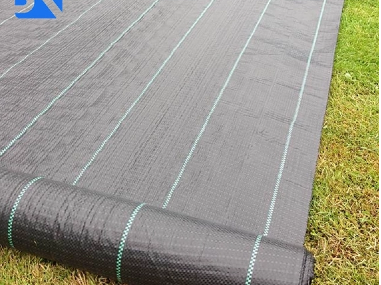
Ground cover fabric is a permeable, durable material made from synthetic or natural fibers. It is designed to be placed over the soil, where it serves as a protective barrier. Typically made of materials like polypropylene, polyester, or even natural fibers such as jute or coir, ground cover fabric allows water and air to pass through while blocking the growth of weeds and preventing soil erosion.
There are two main types of ground cover fabric: woven and non-woven. Woven fabric is made from interlaced fibers that create a strong, durable material, often used in high-traffic areas or areas that require long-term use. Non-woven fabric, on the other hand, is softer and more flexible, commonly used for lighter-duty applications such as garden beds and flower borders.
How Does Ground Cover Fabric Prevent Erosion?
The primary way in which ground cover fabric prevents erosion is by stabilizing the soil. Erosion is caused when wind, rain, or water runoff washes away the top layer of soil, leaving plants with less nutrients, moisture, and a weakened foundation. Ground cover fabric acts as a protective barrier that:
Protects Soil from Rain and Wind
Ground cover fabric helps shield the soil from the impact of rainfall and wind. Heavy rains can cause the topsoil to wash away, particularly in sloped or uneven areas. The fabric helps to absorb some of the impact of raindrops, preventing them from directly striking the soil and dislodging it. Additionally, in areas where wind is a concern, the fabric can reduce the velocity of wind, preventing soil particles from being blown away.
Reduces Surface Runoff
When water runs across bare soil, it carries away soil particles, especially on slopes or areas with poor drainage. By placing ground cover fabric over the soil, you create a layer that slows down the movement of water. The fabric allows water to pass through slowly while distributing it more evenly across the surface, which helps reduce the speed of runoff and prevents soil from washing away.
Stabilizes the Soil
The fabric physically holds the soil in place, acting as a stabilizing force. This is especially beneficial in areas with steep slopes or unstable soil that is prone to erosion. The roots of plants growing through the fabric can also help stabilize the soil by holding it together and reducing the risk of further erosion. As the plants' root systems grow deeper, they work in tandem with the fabric to create a strong, interconnected network that locks the soil in place.
Prevents Waterlogged Soil
While preventing erosion is important, it is also essential to ensure that the soil doesn't become waterlogged, which can lead to its destabilization. Ground cover fabric allows for efficient water drainage, preventing water from pooling on the surface and causing the soil to become saturated. This is particularly beneficial in areas where heavy rains or poor drainage are a concern, as it helps keep the soil in a healthy, stable condition.
Key Benefits of Using Ground Cover Fabric for Erosion Prevention
1. Cost-Effective Erosion Control
Erosion control can often require expensive infrastructure, such as retaining walls, terracing, or extensive landscaping projects. Ground cover fabric is a relatively low-cost solution that can provide immediate protection for your landscape. It’s affordable, easy to install, and can last for years, making it a cost-effective option for erosion prevention, especially in large areas.
In addition to the initial savings, using ground cover fabric reduces the need for ongoing maintenance. Since the fabric helps to prevent weeds and stabilize the soil, you won’t need to spend as much time or money on weed control or soil replenishment.
2. Quick and Easy Installation
Unlike other erosion control methods that may require heavy machinery or complex construction, ground cover fabric is easy to install and can be done by almost anyone, even without professional help. The fabric can be unrolled and laid over the area, cut to fit as necessary, and secured with landscape staples or pins. It’s a straightforward process that requires minimal effort but provides long-lasting benefits.
This makes ground cover fabric an excellent option for DIY gardeners or homeowners who want to address erosion issues quickly and effectively without needing extensive knowledge or tools.
3. Environmental Benefits
Erosion can have serious environmental consequences. When topsoil is washed away, it not only depletes the soil’s nutrients but can also contribute to sedimentation in nearby waterways, leading to water pollution and harm to aquatic ecosystems. By using ground cover fabric to prevent erosion, you’re helping to protect the environment by keeping the soil intact and reducing sediment runoff.
Additionally, many ground cover fabrics are made from sustainable, eco-friendly materials. Some biodegradable fabrics are made from natural fibers like jute or coir, which break down over time without harming the environment. This option is perfect for those looking for a more environmentally conscious solution to erosion prevention.
4. Long-Term Durability
Ground cover fabric is designed to withstand the elements, making it a durable option for long-term erosion control. Woven fabrics, in particular, are resistant to wear and tear, UV degradation, and exposure to moisture. Non-woven fabrics, while softer, are still quite durable and can last several seasons in the garden.
Once installed, ground cover fabric requires little to no maintenance and can continue to perform its job for many years. The fabric may need to be replaced eventually, but its longevity makes it an ideal long-term solution to erosion issues.
5. Improved Plant Growth
Not only does ground cover fabric prevent erosion, but it also creates an optimal environment for plant growth. By reducing water runoff, it ensures that plants receive the moisture they need. The fabric also helps maintain consistent soil temperature, which can promote better root development. Furthermore, by preventing weeds from sprouting, it reduces competition for resources, allowing your plants to grow stronger and healthier.
This is particularly valuable for gardens, flower beds, or vegetable patches on slopes or other areas prone to erosion. Plants can thrive in these areas without the threat of soil loss or weed competition.
How to Use Ground Cover Fabric for Erosion Prevention
To ensure maximum effectiveness, it’s essential to install ground cover fabric correctly. Follow these steps to get the most out of your erosion control efforts:
Prepare the Area: Before laying down the fabric, remove any weeds, rocks, or debris from the soil. If necessary, amend the soil by adding compost or mulch to improve its quality.
Measure and Cut the Fabric: Measure the area that you want to protect from erosion and cut the fabric to size. Be sure to leave some overlap at the edges to ensure complete coverage.
Lay the Fabric: Unroll the fabric over the soil, making sure it is flat and smooth. Avoid any wrinkles or folds, as they could create gaps where weeds can grow or soil can erode.
Secure the Fabric: Use landscape staples or pins to secure the fabric in place, especially around the edges. This ensures that the fabric stays in place, even in windy conditions or heavy rainfall.
Cover the Fabric (Optional): For aesthetic purposes or additional protection, you can cover the fabric with a layer of mulch, gravel, or decorative stones. This will also protect the fabric from UV rays and help keep it in place.
Monitor and Maintain: Check the fabric periodically to ensure that it is still securely in place and has not been damaged by weather or other factors. If necessary, replace any worn or torn sections of fabric.
Conclusion
Ground cover fabric is an invaluable tool for preventing erosion in gardens, landscapes, and other outdoor spaces. By stabilizing the soil, reducing surface runoff, and protecting the soil from the impact of wind and rain, ground cover fabric provides an effective and low-cost solution to erosion problems.
In addition to its erosion prevention benefits, ground cover fabric also offers advantages such as improved plant growth, moisture retention, and long-term durability. It is an environmentally friendly, cost-effective, and easy-to-install option that can help protect your landscape for years to come.
For those seeking high-quality ground cover fabric for their landscaping needs, Shijiazhuang Shuorui Imp&Exp Co., Ltd. offers a wide selection of fabric options designed to meet the unique needs of any project. Whether you're tackling erosion on a slope or just looking for a way to stabilize your garden beds, their ground cover fabrics provide the ideal solution to keep your soil intact and your plants healthy.
