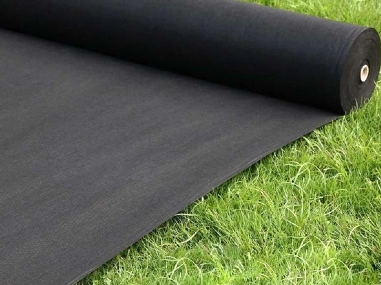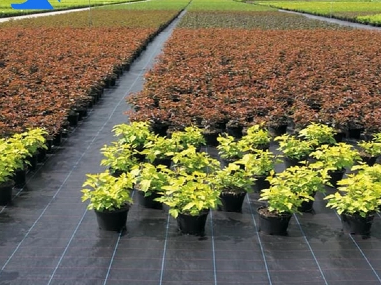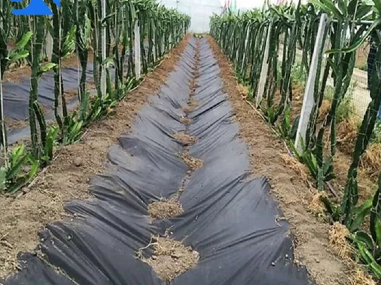


When it comes to maintaining a healthy and beautiful garden, one of the most common and persistent problems homeowners face is weed growth. Weeds not only compete with your plants for nutrients, water, and sunlight, but they also make your landscape look untidy and require constant maintenance. One of the most effective ways to prevent weeds and reduce the time spent on gardening tasks is by using ground cover fabric.
Ground cover fabric, also known as weed barrier fabric or landscape fabric, is a versatile material that acts as a barrier to prevent weeds from growing while still allowing water, air, and nutrients to reach your plants. This low-maintenance solution can save you time, effort, and money, especially in areas like garden beds, pathways, and flower borders.
In this guide, we will walk you through the benefits of using ground cover fabric, the steps to install it correctly, and tips for ensuring that it provides long-lasting weed protection. By the end of this article, you’ll be equipped with the knowledge to install ground cover fabric like a pro and keep your garden weed-free for years to come.
What is Ground Cover Fabric?
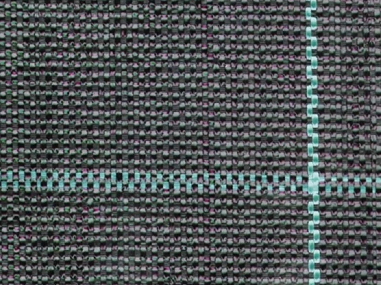
Ground cover fabric is a permeable material used in landscaping to suppress weed growth and provide soil stabilization. Made from either woven or non-woven synthetic fibers, such as polypropylene or polyester, ground cover fabric is designed to allow water, air, and nutrients to pass through while blocking sunlight that weeds need to grow. The fabric can be used in garden beds, flower borders, pathways, and even larger landscaping projects such as around trees, shrubs, or under mulch.
Ground cover fabric comes in various weights, thicknesses, and sizes, making it suitable for a wide range of applications. It’s available in rolls that can be cut to fit specific areas, and it is usually laid on the soil and secured with landscape staples or pins.
Benefits of Using Ground Cover Fabric
Before diving into the installation process, it's important to understand why ground cover fabric is such an effective tool for long-lasting weed protection. Here are some of the key benefits:
1. Weed Prevention
The primary reason people use ground cover fabric is to prevent weeds. Weeds need sunlight to germinate and grow, and ground cover fabric acts as a physical barrier that blocks sunlight from reaching the soil. This prevents weed seeds from sprouting and keeps your garden beds looking neat and tidy.
2. Soil Moisture Retention
Ground cover fabric helps retain moisture in the soil by reducing evaporation. This is especially beneficial in dry climates or during hot summer months when water conservation is important. The fabric allows water to seep through to the soil but prevents it from evaporating too quickly, ensuring that your plants have a consistent source of moisture.
3. Erosion Control
In areas prone to erosion, such as hillsides or slopes, ground cover fabric provides stability by holding the soil in place. The fabric helps prevent soil from washing away during heavy rain or wind, which is essential for maintaining a healthy landscape and preventing the loss of valuable topsoil.
4. Improved Soil Health
By blocking weeds and preventing soil erosion, ground cover fabric can contribute to improved soil health. With fewer weeds competing for resources and less disturbance to the soil, plants are able to grow in a healthier, more stable environment. Additionally, ground cover fabric can prevent soil compaction, which allows roots to grow more freely and efficiently.
5. Low Maintenance
Ground cover fabric significantly reduces the time and effort needed for weeding, mulching, and soil maintenance. Once installed, it helps to keep weeds at bay and requires minimal upkeep, making it an ideal solution for busy gardeners or those who prefer a low-maintenance landscape.
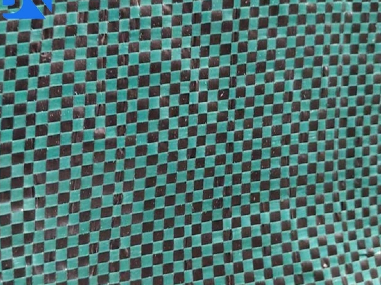
Types of Ground Cover Fabric
Before starting the installation, it’s important to understand the different types of ground cover fabric available. There are two main types: woven and non-woven fabrics.
1. Woven Fabric
Woven ground cover fabric is made from interlaced fibers, creating a durable, sturdy material. It is often used in areas where long-term, heavy-duty weed control is needed. Woven fabrics allow air and water to pass through while blocking sunlight, preventing weed growth. These fabrics are resistant to tearing and can withstand heavier foot traffic.
Best for: Larger areas, pathways, driveways, and high-traffic zones.
Advantages:
Strong and durable
Long-lasting
Effective at preventing large weeds and invasive plants
Disadvantages:
Can be harder to cut and shape
More expensive than non-woven fabric
2. Non-Woven Fabric
Non-woven ground cover fabric is made by bonding fibers together using heat or pressure. It is softer and more flexible than woven fabric, making it easier to cut and shape. Non-woven fabrics also allow air and water to penetrate the soil while blocking sunlight. They are typically used in smaller garden beds or for temporary applications.
Best for: Small garden beds, flower borders, or temporary weed control.
Advantages:
Easy to install and cut
More affordable than woven fabric
Suitable for light-duty applications
Disadvantages:
Less durable than woven fabric
Not suitable for areas with heavy foot traffic
3. Biodegradable Fabric
Biodegradable ground cover fabric is made from natural fibers like jute, coir (coconut fiber), or burlap. This type of fabric decomposes over time, making it an eco-friendly option for organic gardeners. It offers weed control and erosion prevention while being safe for the environment.
Best for: Organic gardening, temporary projects, or eco-friendly landscaping.
Advantages:
Eco-friendly
Biodegradable and safe for the environment
Ideal for organic gardening
Disadvantages:
Not as durable as synthetic fabrics
Requires replacement over time
Steps to Install Ground Cover Fabric for Long-Lasting Weed Protection
Proper installation of ground cover fabric is essential for ensuring that it provides effective weed protection for years to come. Follow these step-by-step instructions to install ground cover fabric correctly.
1. Prepare the Area
The first step in installing ground cover fabric is to prepare the area where it will be laid. Start by clearing the soil of any weeds, rocks, or debris. This is important because any remaining weeds or roots could potentially grow through the fabric, reducing its effectiveness. If necessary, you can use an organic herbicide or manually pull up any weeds before beginning.
Additionally, if you’re working with an area that has poor soil, you may want to amend it with compost or other organic matter to improve its structure and fertility.
2. Measure and Cut the Fabric
Once the area is cleared, measure the space where you plan to lay the fabric. Ground cover fabric typically comes in large rolls, so you’ll need to cut the fabric to fit your specific space. It’s better to leave a little extra fabric at the edges than to cut it too short. This ensures that you can overlap the fabric along seams to prevent weeds from growing between sections.
Use a utility knife or heavy-duty scissors to cut the fabric, making sure to cut it cleanly for a smooth, even fit.
3. Lay the Fabric
Now, it’s time to roll out the fabric over the prepared soil. Unroll the fabric in the desired direction and place it on the ground, making sure it fits tightly and smoothly without any wrinkles. If you’re covering a large area, you may need to overlap adjacent pieces of fabric by several inches to ensure complete coverage and prevent gaps where weeds could grow.
If you are using the fabric in garden beds, make sure the fabric is positioned under any plants or shrubs, leaving enough space for their root systems to grow.
4. Secure the Fabric
Once the fabric is laid down, it needs to be secured to prevent it from shifting, especially in windy conditions. Use landscape staples or pins to hold the fabric in place. Place the staples around the edges of the fabric and at regular intervals along the length of the fabric to ensure it stays in position.
If you are working in a high-traffic area, such as a pathway or driveway, you may need to use more staples to ensure the fabric is firmly anchored.
5. Cover the Fabric (Optional)
To improve the appearance and durability of the fabric, consider covering it with a layer of mulch, gravel, or decorative stones. This helps protect the fabric from UV degradation, enhances its effectiveness at retaining moisture, and gives your garden a more polished, finished look.
Choose a material that complements your landscape design, such as wood chips, bark, or pea gravel. A layer of 2 to 3 inches of mulch is usually sufficient to protect the fabric and provide an attractive finish.
6. Monitor and Maintain
Once the fabric is installed, it requires minimal maintenance. However, you should still check it periodically for any signs of wear or damage. Over time, the fabric may degrade due to exposure to UV rays or heavy foot traffic, so it’s important to monitor it and replace any sections that have been torn or damaged.
Additionally, keep an eye on your garden beds to ensure that weeds are not emerging through the fabric. While the fabric will block most weed growth, occasionally, some small weeds may manage to poke through the fabric, especially along seams or edges. In such cases, simply pull them out manually to maintain a clean, weed-free landscape.
Conclusion
Ground cover fabric is a highly effective solution for long-lasting weed protection in any garden or landscape. It works by blocking sunlight, preventing weed germination, and promoting soil health, all while reducing the need for frequent weeding and watering. Whether you're working on a small flower bed or a larger landscape project, ground cover fabric can save you time and money, keeping your garden neat and tidy with minimal effort.
To ensure your ground cover fabric provides the best protection, proper installation is key. By preparing the area, cutting and securing the fabric, and covering it with mulch or decorative materials, you can achieve long-lasting, effective weed control. For high-quality ground cover fabric and other landscaping products, Shijiazhuang Shuorui Imp&Exp Co., Ltd. offers a variety of durable options to meet your needs, whether for residential gardens or large-scale commercial projects.