

Weeds are a gardener’s worst enemy. They compete with your plants for essential resources such as water, nutrients, and sunlight, and they can quickly overrun your garden if not controlled. While there are many ways to tackle the problem of weeds, one of the most effective and long-lasting solutions is using weed control fabric.
Weed control fabric, also known as weed barrier fabric, landscape fabric, or mulch fabric, is a material specifically designed to block weed growth while still allowing air, water, and nutrients to reach the soil. By acting as a physical barrier, it can significantly reduce the time and effort spent on weeding, allowing your plants to thrive without the constant battle against unwanted growth.
But with so many different types of weed control fabric on the market, how do you choose the right one for your garden? This guide will walk you through the key factors to consider when selecting weed control fabric and explore some of the most popular options, including PP (polypropylene) weed control fabric, non-woven weed control fabric, and UV-resistant weed control fabric.
What is Weed Control Fabric?
Weed control fabric is a permeable material made of synthetic or natural fibers, designed to suppress weed growth by preventing light from reaching the soil. By blocking sunlight, the fabric prevents weed seeds from germinating, while still allowing air, water, and nutrients to pass through to the plants’ roots.
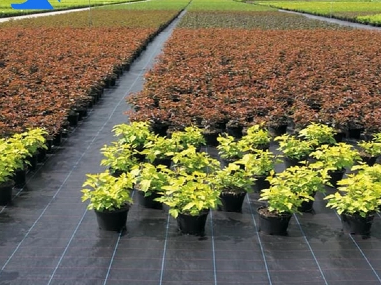
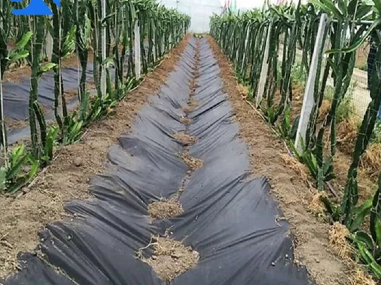
While it is often used in gardens and landscaping, weed control fabric can also be applied in agricultural fields, flower beds, pathways, and around trees and shrubs. Depending on the material and construction, some fabrics may also provide additional benefits, such as moisture retention, soil temperature regulation, and erosion control.
Why Use Weed Control Fabric?
Before diving into the specifics of how to choose the right fabric, let’s take a look at the reasons why weed control fabric is such a popular choice for gardeners:
Efficient Weed Suppression
The primary benefit of weed control fabric is its ability to block sunlight, which is essential for weed germination. By reducing the amount of sunlight that reaches the soil, the fabric effectively prevents weeds from sprouting and taking over your garden.
Reduced Need for Chemical Herbicides
One of the best aspects of using weed control fabric is that it allows you to avoid the use of harsh chemicals and herbicides. Since it physically blocks weed growth, you won’t need to rely on chemical solutions that can harm the environment and your plants.
Improved Soil Health
With fewer weeds competing for nutrients, water, and sunlight, your plants are able to grow stronger and healthier. The fabric also helps to retain moisture in the soil, reducing evaporation, which is particularly useful in hot, dry climates.
Low Maintenance
Once installed, weed control fabric requires very little upkeep. It eliminates the need for constant weeding and makes gardening more enjoyable and less time-consuming.
Long-Lasting Results
High-quality weed control fabrics can last for several years, providing long-term weed suppression without the need for frequent replacements. This makes it a cost-effective option in the long run.
Types of Weed Control Fabric
When selecting weed control fabric, it’s essential to understand the different types available. Here, we’ll explore three of the most popular options: PP (polypropylene) weed control fabric, non-woven weed control fabric, and UV-resistant weed control fabric.
1. PP Weed Control Fabric
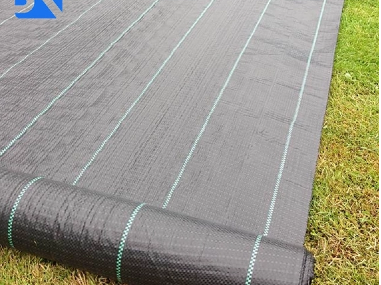
PP (polypropylene) weed control fabric is one of the most commonly used types of weed barrier fabric. It is made from woven polypropylene fibers, which are lightweight yet durable. This fabric is known for its strength and longevity, making it an excellent choice for large gardens, flower beds, and landscaping projects.
Key Features of PP Weed Control Fabric:
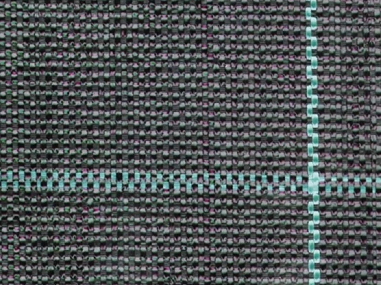
Woven Construction: The fabric is made by weaving polypropylene fibers together, which creates small, interlocking gaps. This construction allows air, water, and nutrients to pass through while blocking sunlight and preventing weed growth.
Durability: PP weed control fabric is highly durable and can withstand wear and tear from weather conditions and foot traffic. It can last for several years without breaking down or losing its effectiveness.
Versatility: This fabric is suitable for use in a wide range of applications, including garden beds, pathways, and around trees and shrubs.
Affordable: Polypropylene fabric is one of the most cost-effective options available, making it a popular choice for gardeners on a budget.
Best For: Large areas, flower beds, vegetable gardens, and general landscaping.
Pros:
Strong and long-lasting
Allows for good water and air flow
Affordable
Cons:
May need to be covered with mulch or stones for aesthetic purposes
Can degrade when exposed to direct sunlight over long periods (unless treated with UV protection)
2. Non-Woven Weed Control Fabric
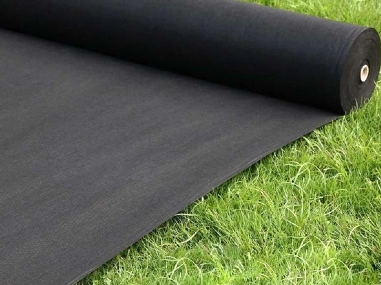
Non-woven weed control fabric is made from synthetic fibers that are bonded together using heat or mechanical processes. Unlike woven fabric, non-woven fabrics are generally softer and more flexible, making them easier to cut and shape. They are ideal for applications where flexibility and ease of installation are important.
Key Features of Non-Woven Weed Control Fabric:
Bonded Fibers: Non-woven fabric is made by bonding synthetic fibers together through heat or pressure, creating a fabric that’s softer and more flexible than woven options.
Superior Weed Control: Non-woven fabric provides superior weed control because it is more tightly woven than woven fabrics. This means fewer gaps for weeds to sprout through.
Water Permeability: Despite its tighter construction, non-woven fabric still allows water, air, and nutrients to pass through to the soil.
Flexibility: Non-woven fabric is easier to handle and shape, making it suitable for curved or irregular garden beds and other areas with complex layouts.
Best For: Smaller garden beds, flower borders, temporary applications, and areas with irregular shapes.
Pros:
Superior weed control due to tighter weave
Easy to cut and shape
More flexible than woven fabrics
Cons:
Not as durable as woven fabrics
May degrade faster when exposed to sunlight unless UV-protected
3. UV-Resistant Weed Control Fabric
UV-resistant weed control fabric is designed to resist damage from the sun’s ultraviolet (UV) rays. While all weed control fabrics allow water and nutrients to pass through, UV-resistant fabric adds an extra layer of protection against the sun’s harsh effects. This type of fabric is particularly useful in areas with high sun exposure or in regions with hot, dry climates.
Key Features of UV-Resistant Weed Control Fabric:
UV Protection: UV-resistant fabric is treated with special coatings or additives that help prevent degradation from sun exposure. This ensures that the fabric remains effective for longer, even when exposed to direct sunlight.
Longer Lifespan: The UV resistance significantly extends the lifespan of the fabric, making it an ideal choice for areas where long-term weed suppression is needed.
Durability: UV-resistant fabric is often made from woven or non-woven polypropylene or polyester, which provides strength and durability while protecting the fabric from UV damage.
Best For: Gardens in hot, sunny climates, high-exposure areas, and long-term applications.
Pros:
Extended lifespan due to UV resistance
More durable in sunny areas
Ideal for areas with long-term weed control needs
Cons:
Slightly more expensive than standard fabrics
Requires proper installation to prevent damage from UV rays
Factors to Consider When Choosing Weed Control Fabric
Choosing the right weed control fabric for your garden involves considering several factors, including:
1. Climate and Sun Exposure
If you live in a region with high sun exposure, UV-resistant weed control fabric is a must. It will provide added protection against the sun’s rays, ensuring that the fabric lasts longer. For shaded or partially shaded areas, a non-woven fabric may be a better choice since it’s more breathable and flexible.
2. Size and Type of Garden
For large areas, such as vegetable gardens or flower beds, woven PP weed control fabric may be the best option due to its strength and durability. For smaller beds or temporary applications, non-woven fabric is often preferred because it’s easier to handle and cut.
3. Durability Needs
Consider how long you want the fabric to last. If you’re planning on using the fabric for several years, choosing UV-resistant or woven PP fabric will ensure long-lasting protection. If you need a more short-term solution or are covering a smaller area, non-woven fabric might be sufficient.
4. Aesthetic Preferences
Some gardeners prefer to cover weed control fabric with mulch, stones, or other decorative materials to improve the appearance of their garden. If aesthetics are important, you might want to choose a fabric that can easily be covered, like non-woven fabric.
How to Install Weed Control Fabric
Prepare the Area: Remove any weeds, debris, and rocks from the soil. Ensure that the soil is level and smooth.
Cut the Fabric: Measure and cut the fabric to fit the area, leaving extra fabric at the edges to overlap.
Lay the Fabric: Unroll the fabric over the soil, making sure it’s flat and smooth with no wrinkles.
Secure the Fabric: Use landscape staples to secure the fabric in place, especially around the edges and seams.
Cover the Fabric: Add mulch, gravel, or other decorative materials to protect the fabric and enhance the appearance of your garden.
Conclusion
Weed control fabric is an excellent investment for any garden, offering a simple yet effective solution to keep your plants healthy and free from weeds. By choosing the right fabric, such as PP weed control fabric, non-woven fabric, or UV-resistant fabric, you can ensure that your garden remains weed-free and thriving for years to come.
Consider the specific needs of your garden, including climate, size, and durability, when selecting the best weed control fabric for your project. Whether you’re creating a new garden bed or improving an existing one, the right fabric will save you time, money, and effort in maintaining a beautiful, weed-free landscape.