

Maintaining a tidy, healthy outdoor area—whether a garden, landscape, nursery bed, or pathway—often begins with controlling weeds. Overgrown weeds don’t only spoil the visual appeal; they compete with desired plants for water, nutrients, and light, and can undermine soil quality over time. That’s why selecting an effective ground cover solution is fundamental. As a company specializing in landscaping and ground cover fabric solutions, we believe that properly installed easy install weed control fabric offers a reliable, long term method to suppress weeds and maintain clean, low maintenance ground surfaces.
The Role of Ground Cover Fabric in Modern Landscaping
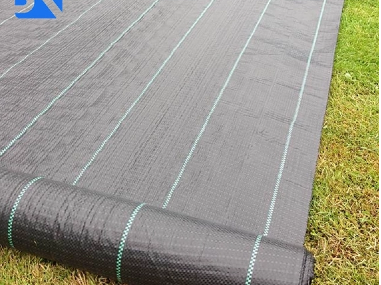
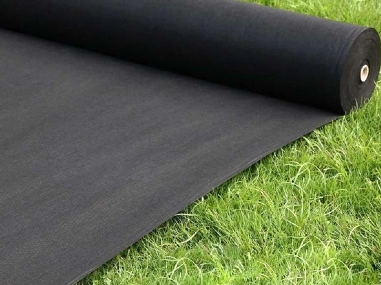
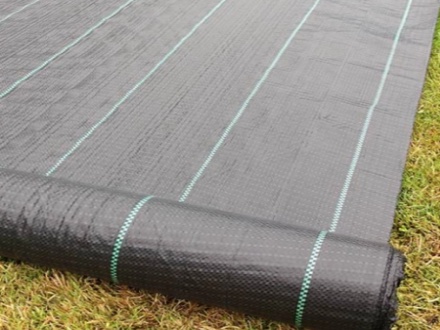
Ground cover fabric, also known as landscape fabric or weed barrier, is a textile material placed over soil or under a layer of mulch, gravel, or decorative stone. Its primary role is simple: block sunlight from reaching weed seeds, thus preventing germination and subsequent weed growth.
Unlike traditional methods—manual weeding, chemical herbicides, or repeated mulching—a well selected ground cover fabric adds a physical barrier that dramatically reduces weed pressure while still allowing essential water and air to penetrate to the soil beneath.
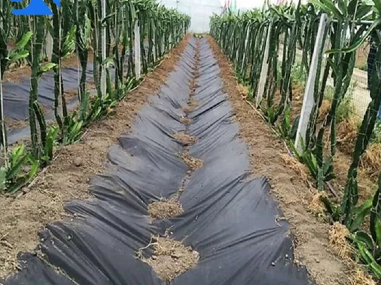
For homeowners, landscapers, nurseries, or commercial growers, this means less time spent pulling weeds, lower dependence on chemical herbicides, and a more sustainable long term solution.
Key Benefits of Easy-Install Weed Control Fabric
Ground cover fabric, particularly easy-install weed control fabric, offers a wide range of advantages that make it an essential tool for anyone looking to reduce maintenance and enhance the efficiency of their landscaping projects. Below, we’ll explore some of the key benefits that make this product an excellent choice for homeowners, landscapers, and commercial property managers alike.
Effective Weed Suppression and Reduced Maintenance
One of the primary benefits of easy-install weed control fabric is its ability to effectively suppress weeds. The fabric works by blocking sunlight, which is necessary for weed seeds to germinate. By preventing weed growth from the start, ground cover fabric significantly reduces the need for frequent weeding, making it a reliable long-term solution. For many applications, this means that weeds are suppressed for years, rather than requiring the annual labor of manual weeding or the ongoing use of chemical herbicides.
This translates directly into reduced labor costs and lower maintenance expenses, which can be particularly valuable for large properties, commercial nurseries, or public landscaping projects. By minimizing the time spent on weed control, property owners can focus their efforts and resources on other important tasks, ensuring that their landscapes remain clean, healthy, and visually appealing with minimal effort.
Water Conservation and Soil Moisture Retention
Another major advantage of weed control fabric is its ability to conserve water and retain soil moisture. The fabric helps prevent excessive evaporation from soil surfaces, which is essential in maintaining consistent moisture levels in the soil. This benefit is particularly important for planted shrubs, trees, or groundcover plants, as it reduces the frequency of irrigation needed to keep the plants hydrated.
In regions with arid climates or water restrictions, this feature can be incredibly valuable. By conserving moisture, the fabric supports plant health and growth while also reducing water usage, which can help landowners meet environmental guidelines and minimize water costs. As a result, easy-install weed control fabric becomes a sustainable, eco-friendly option that contributes to more efficient water management.
Soil Stabilization and Protection of Hardscaping
In addition to its benefits for weed control and water retention, ground cover fabric also serves an important role in stabilizing soil and protecting hardscaping materials. When placed beneath gravel, decorative stones, paths, or landscaped beds, the fabric acts as a stabilizing layer that prevents gravel from sinking into the soil and reduces the risk of erosion.
This is particularly useful in high-traffic areas such as garden walkways, patios, and commercial landscaping projects where durability and appearance are key considerations. By maintaining a clean separation between soil and the top-layer materials, the fabric ensures that the surface remains level and intact, extending the lifespan of the landscaping materials while also improving their visual appeal.
Easy Installation and Long-Term Cost-Effectiveness
One of the biggest selling points of easy-install weed control fabric is the ease with which it can be installed. Modern ground cover fabrics are designed to be user-friendly, allowing for quick installation with minimal effort. The fabric can be rolled out over cleared soil, secured in place, and then covered with mulch, gravel, or other decorative materials. This straightforward process significantly reduces installation time, making it an ideal solution for both DIY homeowners and professional landscapers.
When Ground Cover Fabric Works Best — and What to Watch Out For
While weed control fabric has many advantages, it isn’t a perfect substitute for all landscaping approaches.
The fabric is most suitable for areas designed to be low maintenance or static: pathways, gravel beds, ornamental gardens, nursery grounds, or areas under trees and shrubs where frequent digging or soil amendments are not needed.
On the other hand, in vegetable gardens, annual flower beds, or planting areas requiring frequent soil enhancement or planting rotation, fabric may hinder soil respiration and the natural cycling of organic matter. Over time, soil beneath the fabric may become compacted, reducing beneficial microbial activity and root growth.
Moreover, if the fabric is not installed properly—edges left exposed, inadequate overlap, or no grounding—sunlight, water, or soil debris can seep in, allowing weeds to germinate on top or even penetrate through. That undermines the effectiveness and can make weeding harder than if no barrier were used at all. Therefore, for each landscaping project, it’s essential to match the solution to the intended use and maintenance workflow.
Choosing the Right Fabric — What to Look For
If you decide to use ground cover fabric for weed control, several key factors influence whether it performs well over time:
Material quality and weave density — Tightly woven or needle punched polypropylene fabrics tend to resist tearing, allow water and air permeability, and block light effectively.
UV resistance and durability — For outdoor use, especially exposed to sun and weather, UV stabilized fabric prolongs lifespan and prevents quick degradation.
Water and air permeability — Good fabrics allow rainwater and irrigation to reach roots while preventing waterlogging; this supports healthy plant growth beneath the cover.
Ease of installation — Fabrics that come on rolls, are flexible, and easy to cut to size make installation faster and reduce labor.
Appropriate application area — Use in static beds, paths, gravel underlays, nursery grounds; avoid in beds needing frequent soil amendments or deep planting.
Given these criteria, quality weed control fabrics (ground cover fabrics) offer a practical balance of effectiveness, durability, and ease of use.
Examples of Effective Ground Cover Fabrics We Recommend
We’ve evaluated several well regarded products on the market that embody these qualities. For instance:
Ashman 3 ft. x 50 ft. Landscape Fabric — a heavy duty, easy install weed barrier suitable for flower beds, garden landscaping or gravel pathways; it allows water and nutrients to reach the soil while blocking weeds.
Vigoro WeedBlock 3 ft. x 50 ft. Landscape Fabric — this product uses a micro funnel design to permit moisture and airflow while suppressing weed growth, making it a good option for garden beds, tree bases, or landscaped areas under mulch.
KFFKFF 3 x 50 ft Heavy Duty Weed Barrier Fabric — with high density woven PP material, this fabric is durable, tear resistant, and designed for easy cutting and installation, suitable for larger landscaping or nursery scale projects.
These examples reflect the kind of high quality ground cover fabrics that, when installed correctly, can significantly reduce weed problems with minimal maintenance.
Why Ground Cover Fabric Makes Sense for Many Use Cases
From our perspective, three kinds of situations benefit especially from ground cover fabric:
Low maintenance gardens or landscaped areas — Homeowners or property managers who want attractive, neat grounds without spending hours each season on weeding.
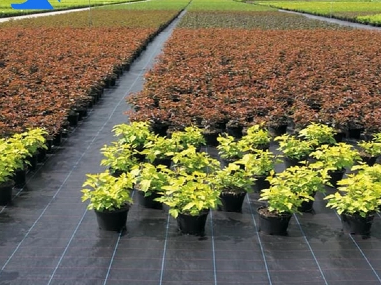
Commercial landscaping, nurseries, or tree bed paths — Situations where large areas must remain clean and uniform, and where manual weeding would be labor intensive and costly.
Underrock or gravel paths, decorative hardscape elements — Fabric stabilizes soil under gravel or stone, prevents sinking or mixing with soil, and reduces erosion over time.
In each of these, ground cover fabric delivers value by reducing labor, stabilizing the substrate, maintaining moisture, and suppressing weeds—resulting in cost savings and cleaner appearance over time.
Recommendations for Best Practice
To maximize benefits and minimize drawbacks, we recommend:
Clear the soil of weeds and debris before installation; smooth and level the surface.
Roll out fabric with sufficient overlap at seams; secure edges to prevent lifting or wind exposure.
If covering with mulch, gravel, or stone, apply enough depth to weigh the fabric down and prevent surface debris from collecting directly on top.
Avoid use under areas that require frequent digging or soil amendments (vegetable beds, annual flower beds, etc.).
Monitor periodically for any weed penetration at edges or holes; fix promptly.
When done correctly, ground cover fabric can be an effective, long lasting component of a weed control and landscape maintenance strategy.
Final Thoughts
As stewards of landscaping projects—from private gardens to commercial grounds—we believe easy install, high quality ground cover fabric represents a smart balance of convenience, low maintenance, and long term ground protection. It is not a magic bullet—no solution is—but when used thoughtfully and paired with good installation practices, it significantly reduces weed pressure and maintenance burden.
If you’re evaluating ground cover options at scale, or seeking durable, professional grade fabric solutions for landscaping, nursery paths, or decorative gravel installations, we invite you to learn more about the product lines and services of Shijiazhuang Shuorui Imp&Exp Co., Ltd. Our team can provide detailed specifications, discuss which fabric suits your landscape or project needs, and help design an installation solution that balances effectiveness, longevity, and soil health.