

In the world of gardening and landscaping, creating an aesthetically pleasing and functional outdoor space often involves thoughtful planning and the right materials. One such material that has gained significant attention in recent years is ground cover fabric. This simple yet highly effective product serves a range of purposes, from weed control to moisture retention, making it an invaluable tool for both amateur gardeners and professional landscapers alike.
In this blog post, we will explore the many benefits of ground cover fabric, how it enhances garden health, its various applications, and why it is essential for both gardening and landscaping. Whether you’re looking to improve the quality of your soil, reduce maintenance, or simply add an extra layer of protection to your garden, ground cover fabric is an easy and affordable solution.
What is Ground Cover Fabric?
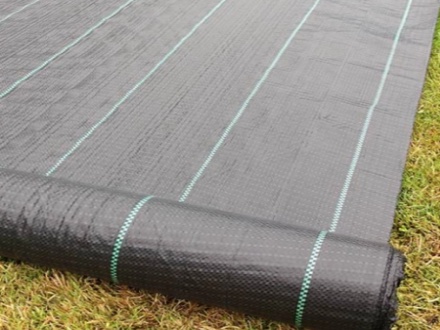
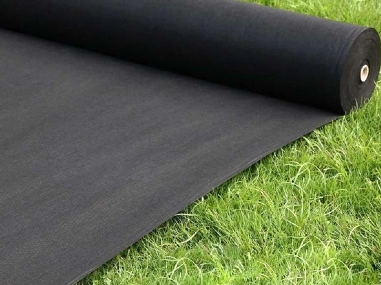
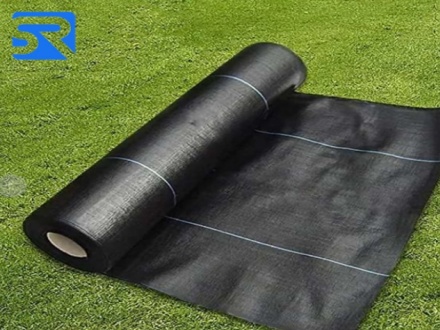
Ground cover fabric, also known as landscape fabric or weed barrier fabric, is a non-woven textile material designed to be placed on the soil surface. It acts as a protective layer between the soil and the surface above, helping to control weeds, retain moisture, and provide other benefits to plants and landscapes. Typically made from synthetic materials such as polypropylene or polyester, ground cover fabric is durable, breathable, and capable of withstanding harsh weather conditions.
This fabric is often used in garden beds, under mulch, in vegetable gardens, around shrubs, and in various landscaping projects to create a more efficient and manageable outdoor space. It comes in a variety of thicknesses and sizes, which can be selected depending on the specific needs of your garden or landscape.
Why is Ground Cover Fabric Important?
Ground cover fabric is an essential component of modern gardening and landscaping. Here are some of the top reasons why it plays a critical role in creating and maintaining healthy, beautiful outdoor spaces:
1. Weed Control
One of the primary reasons gardeners and landscapers use ground cover fabric is its ability to control weeds. Weeds are invasive plants that compete with desirable plants for resources such as water, nutrients, and sunlight. When left unchecked, they can stunt the growth of plants, potentially leading to poor yields in vegetable gardens or reduced beauty in flower beds. By using ground cover fabric, you can significantly reduce the chances of weed growth without the need for harsh chemical herbicides.
The fabric works by creating a physical barrier that blocks sunlight from reaching the weed seeds in the soil. This prevents the seeds from germinating and growing, while still allowing water and air to pass through to the soil. This way, the fabric creates an environment where desirable plants can thrive, while weeds are kept in check. Using ground cover fabric for weed control is not only effective but also provides a more sustainable and environmentally friendly alternative to traditional chemical-based methods, promoting a healthier garden and landscape overall.
2. Moisture Retention
Another key benefit of ground cover fabric is its ability to help retain moisture in the soil. Gardening and landscaping often require a lot of water, especially in dry or hot climates. Ground cover fabric acts as a barrier that reduces water evaporation from the soil, ensuring that moisture stays locked in for longer periods. This is especially beneficial in areas where water conservation is important, or for plants that require consistent moisture levels.
For plants such as vegetables, flowers, and shrubs that thrive in consistently moist soil, ground cover fabric helps maintain optimal soil conditions by retaining moisture. This reduces the frequency of watering, saving both time and water, making it an eco-friendly option for gardeners looking to save on water usage. The fabric also prevents surface runoff, which can further contribute to water conservation, as it encourages water to penetrate deeper into the soil rather than running off the surface.
3. Soil Erosion Prevention
In areas where soil erosion is a concern, such as on slopes or hills, ground cover fabric can help prevent the loss of topsoil. It acts as a stabilizing layer, reducing the impact of wind and water erosion. The fabric keeps the soil in place, ensuring that it does not wash away during heavy rain or storms.
Additionally, the fabric helps maintain the integrity of the soil structure by preventing soil compaction and creating a stable environment for plant roots to grow.
4. Improved Soil Quality
Ground cover fabric plays a vital role in maintaining the overall quality of the soil. It helps to prevent soil compaction by allowing air and water to permeate the soil, encouraging root growth and enhancing the health of your plants. By using ground cover fabric, you ensure that your soil remains well-drained, aerated, and conducive to plant growth.
Moreover, by controlling weeds and preventing soil erosion, the fabric helps to protect the soil from becoming nutrient-depleted. This is particularly beneficial for raised garden beds and vegetable gardens where healthy soil is essential for producing high yields.
5. Temperature Regulation
Ground cover fabric also helps to regulate soil temperature. During the summer, the fabric prevents excessive heat from penetrating the soil, keeping the roots cool and protecting delicate plants from heat stress. In colder months, it helps to retain warmth in the soil, providing a more stable growing environment for plants.
This temperature regulation is especially important for plants with specific temperature requirements, as it creates a more consistent and favorable environment for growth throughout the year.
Applications of Ground Cover Fabric
Ground cover fabric can be used in a wide range of gardening and landscaping applications. Some of the most common uses include:
1. Flower Beds and Shrubbery
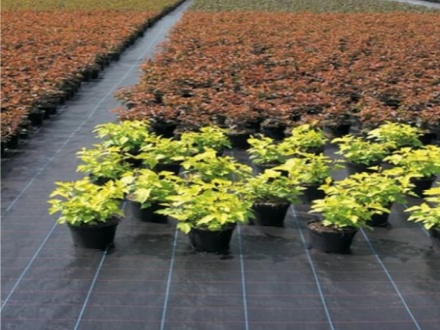
Ground cover fabric is often used in flower beds and around shrubs to create a clean and low-maintenance environment. By preventing weed growth, it allows flowers and shrubs to thrive without competing for resources. Additionally, it helps retain moisture, which is crucial for plants that require consistent hydration.
2. Vegetable Gardens
In vegetable gardens, ground cover fabric is a valuable tool for ensuring optimal growing conditions. By suppressing weeds and retaining moisture, it promotes healthier plants and higher yields. Ground cover fabric also provides a barrier that keeps pests and diseases from reaching the soil, leading to cleaner, healthier crops.
3. Under Mulch or Decorative Stones
Ground cover fabric is commonly used underneath mulch, decorative stones, and gravel in landscaping. When combined with these materials, it creates a neat and tidy appearance while preventing weeds from growing through the surface. This is particularly useful in walkways, patios, and garden paths, where maintaining a clean and weed-free surface is important.
4. Erosion Control on Slopes
On slopes and hilly areas, ground cover fabric is an effective tool for controlling soil erosion. It stabilizes the soil by preventing it from washing away during heavy rainfall and ensures that plants can establish healthy root systems. This is especially important in landscapes with natural water flow patterns that could lead to soil displacement.
5. Landscaping Around Trees
Ground cover fabric can be placed around trees to reduce weed competition and maintain consistent soil moisture. By controlling weeds and preserving soil integrity, the fabric allows trees to grow more robustly and ensures that they are not hindered by competing plants or poor soil conditions.
Choosing the Right Ground Cover Fabric
There are different types of ground cover fabrics available, each with its unique features and uses. When selecting ground cover fabric, it is important to consider the following factors:
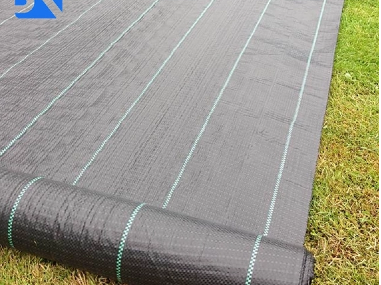
Material: Ground cover fabrics are usually made from either woven or non-woven materials. Woven fabrics are more durable and provide better weed control, while non-woven fabrics are lighter and more flexible.
Thickness: The thickness of the fabric will determine its durability and its ability to withstand harsh weather conditions. Thicker fabrics are better for high-traffic areas and environments with heavy rainfall or wind.
UV Resistance: Look for ground cover fabrics that are UV-resistant, as these fabrics are designed to withstand prolonged exposure to sunlight without breaking down.
Permeability: The fabric should allow water and air to pass through easily to support plant growth. Choose a fabric that offers the right balance of permeability for your specific plants.
Conclusion
Ground cover fabric is an invaluable tool in both gardening and landscaping, offering a wide range of benefits from weed control to soil moisture retention and erosion prevention. By using ground cover fabric, gardeners and landscapers can create more efficient, low-maintenance outdoor spaces while promoting healthier plant growth.
At Shijiazhuang Shuorui Imp&Exp Co., Ltd., we specialize in providing high-quality ground cover fabrics for a variety of applications. Whether you’re looking to improve the health of your garden, reduce maintenance efforts, or protect your landscaping investment, we have the right fabric solutions for you. If you're interested in learning more about how our ground cover fabrics can enhance your gardening and landscaping efforts, feel free to contact us today. We are here to assist you with all your needs and ensure your projects thrive with the best materials available.