

Ground cover fabric is an essential tool used in landscaping, gardening, and agricultural practices. It plays a crucial role in controlling weeds, maintaining soil moisture, and regulating temperature. Whether you are a professional landscaper, a farmer, or a gardening enthusiast, understanding the benefits and applications of ground cover fabric can significantly enhance the health and appearance of your garden or crops.
In this article, we will explore the importance of ground cover fabric, its various uses, and how it can improve the effectiveness of weed control and temperature regulation. We will also discuss the factors to consider when choosing the right type of ground cover fabric for your specific needs.
What is Ground Cover Fabric?
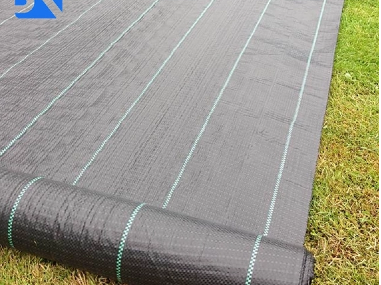
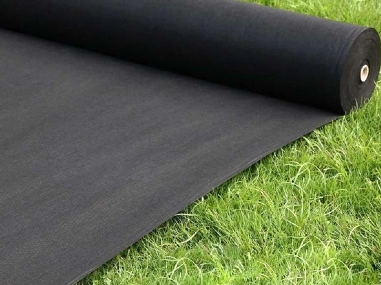
Ground cover fabric, also known as landscape fabric or weed barrier fabric, is a material used to cover the soil in gardens, flower beds, or agricultural fields. It is typically made from woven or non-woven materials such as polyester, polypropylene, or polyethylene, and is designed to provide long-lasting protection against weeds while allowing water and air to pass through to the soil.
The fabric is usually laid directly on the soil surface and covered with mulch, gravel, or other types of decorative ground covers. The fabric serves as a barrier that blocks light from reaching weeds, preventing them from germinating and growing, while still allowing essential nutrients and water to reach the soil.
The Role of Ground Cover Fabric in Weed Control
Weed control is one of the primary reasons gardeners and landscapers use ground cover fabric. Weeds can quickly invade garden beds, flower patches, and agricultural fields, competing with plants for sunlight, nutrients, and water. Ground cover fabric is an effective solution to prevent weed growth without the need for harmful chemicals or excessive manual labor.
How It Works:
Blockage of Sunlight: Weeds rely on sunlight to grow. Ground cover fabric blocks sunlight from reaching weed seeds on the soil surface, preventing them from germinating.
Prevents Weed Roots from Penetrating: The fabric creates a physical barrier that prevents weed roots from growing through the soil, reducing the need for weeding.
Allows Air and Water to Pass Through: Unlike solid plastic sheets that trap water and air, ground cover fabric is designed to be permeable, allowing water, air, and nutrients to flow into the soil, ensuring that your plants thrive while blocking weeds.
Reduction in Herbicide Use: By using ground cover fabric, you can significantly reduce the need for herbicides, which can be harmful to the environment. This eco-friendly solution helps minimize chemical exposure in your garden or farm.
Benefits of Weed Control with Ground Cover Fabric:
Long-Lasting Protection: Ground cover fabric offers long-term protection against weeds without frequent reapplication.
Cost-Effective: While the initial investment in ground cover fabric may be higher than traditional weeding methods, it saves money in the long run by reducing the need for chemical herbicides and labor costs.
Environmental Benefits: Using ground cover fabric helps reduce the environmental impact of herbicides, protecting surrounding ecosystems from chemical pollution.
Improved Plant Health: By eliminating competition from weeds, plants receive more sunlight, nutrients, and water, resulting in healthier growth.
Ground Cover Fabric for Temperature Regulation
Another important function of ground cover fabric is its ability to regulate temperature in the soil. Temperature control is vital for the health of plants, as extreme heat or cold can affect their growth and development. Ground cover fabric helps create a more stable environment for plants by insulating the soil, especially in regions with fluctuating temperatures.
How It Works:
Heat Insulation: During the day, ground cover fabric absorbs heat from the sun, preventing the soil from overheating. This helps maintain a more consistent temperature throughout the day and night, preventing the soil from getting too hot or cold.
Cold Protection: In colder climates or during the winter months, ground cover fabric can help retain heat in the soil, providing insulation that protects plant roots from freezing temperatures.
Soil Moisture Retention: By regulating temperature and preventing excessive evaporation, ground cover fabric helps retain moisture in the soil, which is especially important during dry conditions or in drought-prone areas.
Benefits of Temperature Regulation with Ground Cover Fabric:
Extended Growing Season: Ground cover fabric helps to extend the growing season by providing a more consistent temperature for plant growth, particularly in areas with extreme temperatures.
Reduced Stress on Plants: By maintaining optimal temperature and moisture levels, plants experience less stress, which leads to healthier growth and higher yields.
Energy Savings: For agricultural fields or greenhouses, using ground cover fabric to regulate temperature can reduce the need for artificial heating or cooling, saving energy costs.
Additional Uses of Ground Cover Fabric
While weed control and temperature regulation are the primary benefits of ground cover fabric, it also has several other important uses in various industries, including:
1. Erosion Control
Ground cover fabric can help prevent soil erosion in areas with heavy rainfall or on sloped terrains. The fabric holds the soil in place, preventing it from being washed away, while still allowing water to flow through.
2. Decorative Landscaping
In landscaping, ground cover fabric is often used under decorative materials such as mulch, gravel, or wood chips. This helps maintain the appearance of the landscape by preventing weed growth beneath the surface and reducing maintenance efforts.
3. Garden Pathways
Ground cover fabric is also used in the construction of garden pathways, where it is placed beneath gravel or paving stones to prevent weed growth while providing drainage.
4. Agricultural Applications
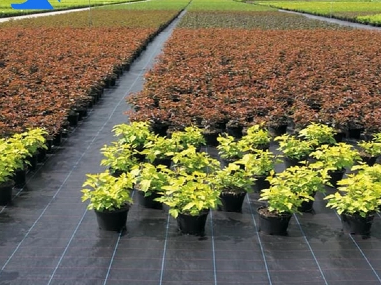
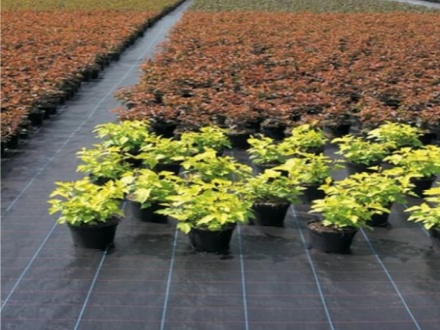
For large-scale farming, ground cover fabric is often used in row covers, hoop houses, and greenhouses. It helps control weeds, regulate temperature, and reduce the need for irrigation by retaining moisture in the soil.
Choosing the Right Ground Cover Fabric
When selecting ground cover fabric, it’s essential to choose the right type for your specific needs. Here are a few factors to consider:
1. Material Type
Ground cover fabric is typically made from either woven or non-woven materials:
Woven fabrics are durable and resistant to tearing. They are ideal for high-traffic areas or large agricultural fields.
Non-woven fabrics are more flexible and easier to cut, making them ideal for smaller gardens or decorative landscaping projects.
2. Permeability
It’s important to choose a fabric that allows adequate water and air flow to the soil. Fabrics with too low permeability can prevent water from reaching the roots, while fabrics with too high permeability may not provide enough weed control.
3. Thickness and Durability
The thickness and durability of the fabric will depend on the intended use. For high-traffic areas or commercial applications, choose thicker, more durable fabrics. For lighter applications, such as in home gardens, thinner fabrics may suffice.
4. UV Resistance
For outdoor use, select ground cover fabric that is UV-resistant. UV-resistant fabrics are more durable and will not degrade quickly under direct sunlight, ensuring longer-lasting performance.
Conclusion
Ground cover fabric is a versatile and effective solution for controlling weeds, regulating temperature, and improving the overall health of your plants. Whether you are managing a garden, landscaping a yard, or working on a large agricultural project, this fabric offers numerous benefits that contribute to a healthier and more sustainable environment.
By providing an eco-friendly and efficient alternative to chemical herbicides and manual weeding, ground cover fabric allows you to focus more on growing plants and less on maintenance. It also offers a cost-effective way to maintain optimal soil conditions, ensuring your garden or crops thrive year-round.
At Shijiazhuang Shuorui Imp & Exp Co., Ltd., we specialize in providing high-quality ground cover fabrics for a wide range of applications. Whether you're looking to enhance your garden, control weeds in your agricultural fields, or improve the temperature regulation of your plants, we have the right solutions for you.
Contact us today to learn more about how our ground cover fabrics can improve the efficiency and quality of your projects.
FAQ
What types of ground cover fabrics are available?
Ground cover fabrics come in both woven and non-woven types, with variations in permeability, thickness, and durability to suit different needs.
How long does ground cover fabric last?
The lifespan of ground cover fabric depends on its material and use, but with proper care, it can last for several years.
Can ground cover fabric be reused?
Yes, ground cover fabric can be reused if it is in good condition. It is especially durable in agricultural and landscaping applications.
Is ground cover fabric environmentally friendly?
Yes, most ground cover fabrics are eco-friendly, especially those made from natural or biodegradable materials, and they help reduce the need for harmful chemicals.
How do I install ground cover fabric?
Ground cover fabric is easy to install. Simply lay it over the soil, secure it with staples or pins, and cover it with mulch, gravel, or other decorative materials.