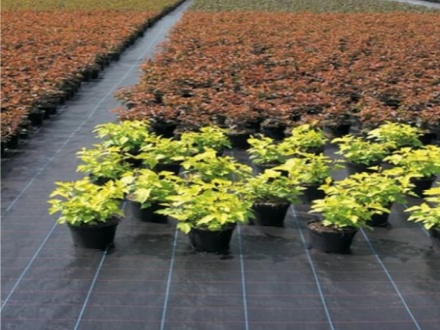


As the world embraces more sustainable and eco-friendly practices, landscaping plays a significant role in promoting environmental health. Among the various techniques used for sustainable landscaping, ground cover fabric has emerged as a crucial element. It not only enhances the aesthetics of outdoor spaces but also contributes to the long-term health and sustainability of the environment. One of its most important benefits is its ability to improve permeability, which directly influences water flow, soil quality, and plant growth. This article explores the role of ground cover fabric in enhancing permeability, its applications, and the environmental benefits it offers for sustainable landscaping.
1. Understanding Ground Cover Fabric
What is Ground Cover Fabric?
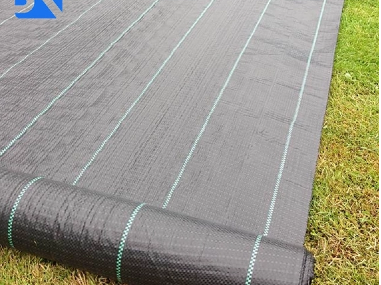
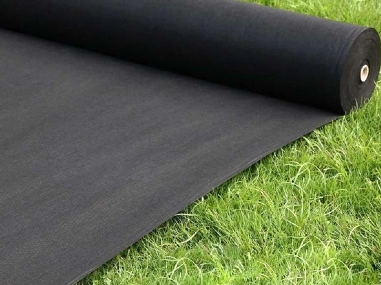
Ground cover fabric is a type of landscape material designed to cover the soil. It is typically made from woven or non-woven fibers such as polypropylene or polyester, providing a durable, long-lasting barrier against weeds, soil erosion, and compaction. The fabric is laid directly on the ground surface and can be used in both residential and commercial landscaping projects.
Ground cover fabric is known for its ability to allow water, air, and nutrients to pass through while preventing weed growth. This permeability feature makes it an ideal choice for sustainable landscaping, where water conservation and soil health are top priorities.
Types of Ground Cover Fabric
There are two main types of ground cover fabric:
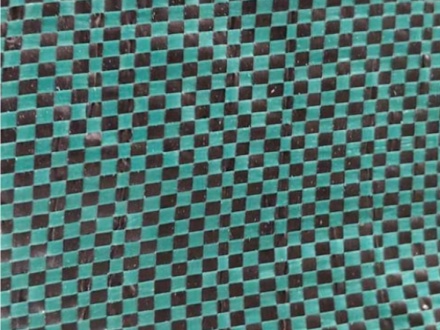
Woven Fabric: Made from interlaced fibers, woven fabrics are more durable and can withstand high traffic and heavy rainfall. They are typically used in areas where extra strength and durability are required.
Non-Woven Fabric: Made from synthetic fibers that are bonded together, non-woven fabrics tend to be lighter and more flexible. They are commonly used in gardening and residential landscaping where ease of installation is important.
Both types of fabric are available in various thicknesses, densities, and UV-resistant treatments, allowing landscapers to choose the right fabric for their specific needs.
2. How Ground Cover Fabric Enhances Permeability
One of the most critical functions of ground cover fabric is its ability to enhance permeability, which is essential for maintaining healthy soil and promoting sustainable landscaping practices. Below are the key ways in which ground cover fabric contributes to soil permeability:
Facilitating Water Drainage
Ground cover fabric helps regulate water drainage by allowing rainwater and irrigation water to pass through the soil, preventing waterlogging. This is especially beneficial in areas with poor soil drainage or areas prone to excessive rain. By improving water flow to the root zone of plants, the fabric ensures that plants receive sufficient water while preventing the accumulation of excess moisture that could lead to root rot.
How it works: The fabric creates a controlled flow path for water to permeate through the soil, maintaining the necessary moisture balance for plant growth.
Benefits: Prevents soil erosion caused by water runoff and promotes better root development by providing consistent water availability.
Reducing Surface Compaction
Soil compaction is a common problem in heavily trafficked areas, such as walkways or garden paths. Compacted soil limits the movement of water and air, which negatively affects plant health. Ground cover fabric can help reduce soil compaction by maintaining a stable layer of soil underneath it. This ensures that the soil retains its ability to absorb water, nutrients, and air, even in high-traffic areas.
How it works: The fabric acts as a barrier, allowing soil to stay loose and aerated beneath the surface, thereby promoting healthy plant growth.
Benefits: Increases the permeability of compacted soils, improving water retention and oxygen flow to plant roots.
Enhancing Air Circulation in the Soil
Effective root development requires a balance of water and air in the soil. Ground cover fabric enhances soil aeration by creating small gaps that allow oxygen to reach the root zone. This oxygen is necessary for the respiration of plant roots, which is vital for their growth and overall health.
How it works: The fabric's permeability ensures that air can circulate through the soil, promoting healthy root systems and better nutrient uptake.
Benefits: Improves plant growth and ensures that roots do not suffocate due to lack of oxygen.
3. Environmental Benefits of Ground Cover Fabric for Sustainable Landscaping
The use of ground cover fabric offers several environmental advantages, particularly in promoting sustainability and eco-friendly practices. Here are some of the most important benefits:
Soil Erosion Control
Soil erosion is a significant environmental issue, especially in areas with heavy rainfall or sloped terrain. Without proper protection, soil can wash away, taking valuable nutrients with it and leaving the land vulnerable to further degradation. Ground cover fabric provides a protective layer that helps to keep soil intact by reducing the impact of rainwater and wind on the surface.
How it works: The fabric acts as a barrier, protecting the soil from direct impact, thus preventing it from washing away during heavy rains or high winds.
Benefits: Helps maintain soil structure, reduces sediment runoff, and ensures that the soil retains its fertility and stability.
Reducing the Need for Chemical Herbicides
Ground cover fabric prevents the growth of weeds, which can otherwise compete with plants for nutrients, water, and sunlight. By blocking weed growth, the fabric reduces the need for chemical herbicides, which are often harmful to the environment. This promotes a healthier ecosystem by reducing the use of toxic chemicals.
How it works: The fabric blocks sunlight from reaching weed seeds, preventing them from germinating and growing.
Benefits: Supports organic gardening practices, improves biodiversity, and contributes to healthier ecosystems.
Energy and Water Conservation
Ground cover fabric helps conserve water by reducing evaporation from the soil and improving water retention. By allowing water to penetrate the soil and reducing surface evaporation, ground cover fabric ensures that plants receive adequate moisture without excessive irrigation.
How it works: The fabric creates a moisture-retentive environment that reduces the need for frequent watering, particularly in regions with water scarcity.
Benefits: Helps in water conservation, leading to lower water usage and more sustainable landscaping practices.
4. Applications of Ground Cover Fabric in Landscaping
Ground cover fabric has various applications in landscaping, from gardens to commercial landscaping projects. Here are some of the common uses:
In Garden Beds and Planting Areas
Ground cover fabric is often used in garden beds to create a stable, permeable base for plants. By laying the fabric beneath the soil or mulch, gardeners can ensure that the plants receive proper water drainage while preventing weed growth.
How it works: The fabric is placed on the soil surface, with mulch or soil covering it. This allows water to pass through while keeping weeds at bay.
Benefits: Keeps garden beds clean, reduces the need for herbicides, and improves water flow to plant roots.
On Walkways and Pathways
Ground cover fabric is commonly used to create stable, permeable walkways in gardens, parks, and commercial landscapes. The fabric provides a durable base that reduces weed growth while allowing water to flow freely beneath the surface.
How it works: The fabric is laid down before gravel, pavers, or stones are placed, allowing for effective drainage and a sturdy path.
Benefits: Reduces maintenance costs, improves durability, and promotes sustainability in hardscaped areas.
In Erosion-Prone Areas
In areas susceptible to soil erosion, ground cover fabric can be used to stabilize the soil and prevent degradation. It is often applied in land reclamation projects, coastal areas, and on slopes.
How it works: The fabric holds the soil in place while allowing water to flow through it, reducing the impact of rain and wind.
Benefits: Helps in reclaiming and preserving land, improving the ecological balance, and preventing soil loss.
5. Conclusion
Ground cover fabric plays a crucial role in enhancing the permeability of soil, making it an indispensable tool for sustainable landscaping. By facilitating water drainage, reducing soil compaction, and preventing weed growth, ground cover fabric supports environmentally friendly practices and promotes healthy plant growth. Its ability to control erosion, reduce chemical use, and conserve water further contributes to a sustainable landscape, making it an essential investment for both residential and commercial projects.
If you're looking to implement ground cover fabric in your landscaping projects, Shijiazhuang Shuorui Imp&Exp Co., Ltd offers high-quality solutions designed to meet your needs. With a commitment to sustainability and quality, we can help guide you in selecting the best products for your landscaping goals. Let us assist you in enhancing the health and aesthetics of your outdoor spaces while contributing to a greener future.
FAQs
Q1: How does ground cover fabric improve soil permeability?
Ground cover fabric allows water and air to pass through the soil, preventing waterlogging and ensuring that plants receive adequate moisture and nutrients. It also reduces soil compaction, which enhances root growth.
Q2: Can ground cover fabric prevent weed growth?
Yes, ground cover fabric blocks sunlight from reaching weed seeds, preventing them from germinating and growing. This reduces the need for chemical herbicides.
Q3: How long does ground cover fabric last?
The lifespan of ground cover fabric depends on its material and environmental conditions. Typically, high-quality fabric can last several years, with some products designed for 5-10 years of use.
Q4: Is ground cover fabric environmentally friendly?
Yes, ground cover fabric helps reduce the need for chemicals like herbicides and pesticides, conserves water, and controls erosion. It supports sustainable landscaping practices and promotes environmental health.
Q5: Where can I use ground cover fabric in my garden?
Ground cover fabric is ideal for use in garden beds, walkways, planting areas, and erosion-prone regions. It can be placed under mulch, gravel, or soil to enhance permeability and prevent weed growth.