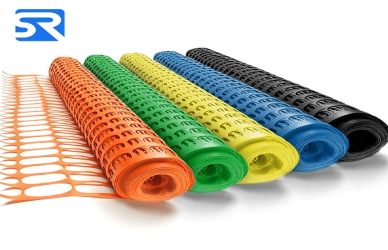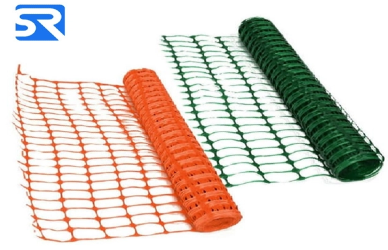


Safety guarding fences are an essential element in maintaining safety and security in various industries and environments. These fences serve as barriers to protect people, prevent unauthorized access, and secure hazardous areas. In this article, we’ll explore the different purposes of safety guarding fences, their applications, the materials used, and how they help comply with safety standards.
1.Purpose of a Safety Guarding Fence
Safety guarding fences are crucial in providing physical barriers that prevent accidents and injuries in environments with potential hazards. Their primary purpose is to act as a protective shield, ensuring the safety of individuals, workers, and property by restricting access to dangerous or restricted zones.
Protecting People and Workers
The primary purpose of safety fences is to protect people, especially in workplaces like construction sites, industrial facilities, or any place where hazardous operations take place. These fences prevent workers and the public from entering dangerous areas where they may be exposed to hazards such as moving machinery, chemicals, or heavy equipment. By creating a visible boundary, safety fences help reduce the risk of accidents by keeping people out of danger zones.
Workers on construction sites, for instance, are often exposed to significant risks, such as falling debris or moving vehicles. A well-placed safety fence provides a clear visual indicator of where workers should not enter, ensuring they stay in safe zones while maintaining the necessary work areas clear of unauthorized personnel.
Preventing Unauthorized Access
Another key role of safety guarding fences is preventing unauthorized access. In environments where sensitive equipment, hazardous materials, or confidential operations are involved, controlling access is crucial. A safety fence can deter unauthorized entry and limit exposure to dangerous areas, reducing the likelihood of theft, tampering, or accidents.
For example, safety fences around industrial plants help keep unauthorized individuals away from machinery and hazardous substances, reducing the risk of accidents or breaches in security.
2.Common Applications of Safety Guarding Fences
Safety guarding fences are widely used in various sectors to protect people and property. Their versatility makes them suitable for different environments, including construction sites, event management, property boundaries, and agricultural applications.
Construction Sites
Safety fences are commonly seen around construction sites, where they provide a barrier to protect workers, passersby, and property. Construction sites are inherently dangerous, with risks such as falling materials, heavy machinery, and deep excavation areas. Safety fences are essential to ensuring that unauthorized people cannot accidentally enter these dangerous zones.
These fences help create clear boundaries around the site, preventing people from wandering into hazardous areas. Additionally, they ensure that construction workers can safely perform their tasks without the risk of interfering with pedestrian or vehicle traffic.
Event Management
Safety fences are also widely used in event management to control crowds, secure event spaces, and ensure the safety of attendees. For example, large festivals, concerts, and public gatherings require robust crowd control measures to manage the flow of people and prevent accidents.
These fences are effective in defining perimeters, guiding attendees, and restricting access to certain areas, such as backstage or VIP zones. In these situations, a safety fence not only provides physical protection but also serves as an organizational tool to direct and manage the crowd effectively.
Application | Purpose | Benefits |
Construction Sites | Protect workers, prevent unauthorized access | Reduces risks of injury, controls site boundaries |
Event Management | Crowd control, securing event spaces | Manages flow of people, ensures safety, protects property |
Property Boundaries | Light-duty fencing for residential/commercial use | Defines boundaries, adds privacy, and deters trespassers |
Agriculture | Keeps animals in or out of areas | Protects crops and livestock, prevents wildlife intrusion |
3.Materials Used in Safety Guarding Fences
Safety guarding fences are made from various materials, each offering different advantages in terms of strength, durability, and application. The choice of material depends on factors like the environment, the level of security needed, and the duration of use.
Plastic Fences
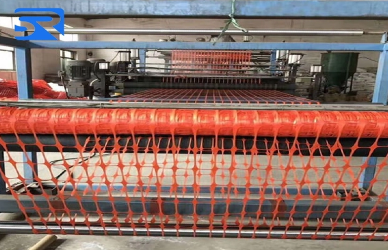
Plastic fences, made from materials like HDPE (High-Density Polyethylene) or PVC (Polyvinyl Chloride), are popular for their lightweight and cost-effective nature. They are commonly used in temporary applications, such as construction sites, crowd control, or as boundaries around residential properties.
Advantages: Plastic fences are easy to install, corrosion-resistant, and require minimal maintenance. They are also highly flexible and can be moved or adjusted as needed.
Limitations: While they are durable under normal conditions, plastic fences may not withstand extreme pressure, impact, or harsh weather. They are more suitable for low-risk areas and temporary setups.
Metal Fences
Metal safety fences, typically made from materials like steel, aluminum, or wrought iron, offer higher durability and strength compared to plastic. These fences are used in situations where long-term security and protection are necessary, such as around high-security areas, industrial facilities, or permanent installations.
Advantages: Metal fences are highly durable, resistant to impacts, and can withstand harsh weather conditions. They are ideal for high-security environments and offer excellent protection.
Limitations: Metal fences are heavier, more expensive, and require more maintenance than plastic options. They are also prone to rusting if not properly coated or maintained.
Comparison of Fence Materials
Material | Durability | Cost | Maintenance | Flexibility |
Plastic Fences | Moderate | Low | Low | High |
Metal Fences | High | High | Medium | Low |
Wooden Fences | Medium | Medium | High | Medium |
4.Design and Features of a Safety Guarding Fence
The design of a safety guarding fence is critical to its effectiveness. Factors like height, visibility, and durability are essential in determining how well the fence will perform under pressure and meet safety requirements.
Height and Visibility
The height of a safety fence plays a crucial role in ensuring that it serves its purpose. A fence that is too short may fail to restrict access effectively, while a fence that is too high may impede visibility, which is crucial for monitoring and maintaining safety.
Visibility: In high-traffic areas, the fence should allow workers and security personnel to observe the environment clearly. Transparent or mesh designs are often used for this purpose, as they provide a balance between security and visibility.
Height: The ideal height depends on the environment and the level of security needed. For construction sites, a fence around 6-8 feet high is usually sufficient to keep people out and prevent access to dangerous zones.
Durability and Flexibility
Durability and flexibility are two key aspects of a safety guarding fence. A durable fence can withstand environmental pressures, such as wind, rain, and physical impact. Flexibility, on the other hand, allows the fence to be adjusted or relocated as needed, especially in temporary setups like events or construction sites.
Durability: Materials such as metal and reinforced plastic offer higher durability for long-term use. Durability is essential for outdoor environments, where the fence may be exposed to harsh weather or high foot traffic.
Flexibility: In temporary applications, such as crowd control or event management, a flexible fence that can be easily moved and adjusted is more advantageous. Plastic fences are ideal for these applications due to their lightweight and portable nature.
5.Regulatory Compliance for Safety Guarding Fences
Safety guarding fences must comply with local laws, safety standards, and industry regulations to ensure they provide adequate protection. Compliance ensures that the fence will meet the necessary safety requirements and protect workers and the public from harm.
Local Laws and Codes
Local safety regulations may dictate specific requirements for safety fencing, such as height, material, and placement. Compliance with these regulations is crucial to avoid fines, penalties, or legal issues. For example, OSHA (Occupational Safety and Health Administration) regulations in the United States set standards for fencing around construction sites to ensure worker safety.
Industry-Specific Standards
In addition to local laws, industry-specific standards must also be followed. For example, construction sites may have specific fencing requirements to prevent access to high-risk areas, while event management companies may need to meet crowd control regulations. It’s essential to consult the relevant safety standards for your industry to ensure the fence meets all necessary requirements.
Industry | Regulations | Key Compliance Factors |
Construction | OSHA regulations, local building codes | Height, visibility, access control |
Events | Crowd control regulations, fire safety standards | Crowd flow, barrier strength, signage |
Agriculture | Animal control laws, environmental regulations | Durability, security, animal safety |
FAQ
Q1: What types of hazards do safety guarding fences protect against?
A: Safety guarding fences protect against physical hazards such as machinery, construction debris, high-voltage areas, and environmental risks like flooding or fire.
Q2: How do safety fences differ from regular fences?
A: Safety fences are designed with specific security features, such as height, durability, and visibility, to provide effective protection in high-risk areas, unlike regular fences that may not be built to handle the same level of security.
Q3: Can safety guarding fences be used indoors?
A: Yes, safety guarding fences can be used indoors to secure areas such as factories, warehouses, or any environment with potential hazards or restricted zones.
Q4: Are safety guarding fences customizable?
A: Yes, safety guarding fences can be customized to fit specific needs, including height, material, color, and design, depending on the environment and requirements.
Conclusion
Safety guarding fences are vital in protecting people, property, and resources by creating secure barriers around hazardous zones. Whether used in construction, event management, or agriculture, safety fences help prevent accidents, restrict access to dangerous areas, and ensure compliance with safety regulations. When selecting a safety fence, it’s important to consider factors like material, design, and regulatory compliance to ensure it meets the specific needs of the environment.