

Plastic safety fences are a popular choice for a variety of applications due to their cost-effectiveness, flexibility, and ease of installation. But when it comes to durability, particularly under pressure, many people wonder whether plastic fences are suitable for all environments. In this article, we will explore the factors affecting the pressure resistance of plastic safety fences, how they compare to other materials, and what makes them a good fit for different applications.
1.Understanding Plastic Safety Fences
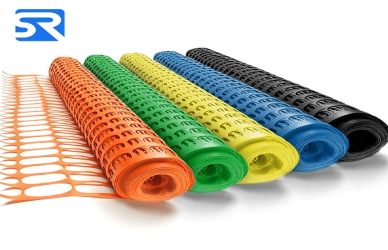
Plastic safety fences are typically made from materials like high-density polyethylene (HDPE) or polyvinyl chloride (PVC), both of which offer several benefits. These fences are commonly used in temporary applications, such as construction sites, event management, or crowd control, but they also serve in more permanent situations depending on the environment.
Materials Used in Plastic Fences
HDPE (High-Density Polyethylene): Known for its strength and durability, HDPE plastic is commonly used in fencing materials. It’s resistant to corrosion, UV rays, and chemicals, making it ideal for outdoor applications.
PVC (Polyvinyl Chloride): PVC is another common material for plastic fences, particularly for long-lasting, weather-resistant products. It is also highly resistant to chemicals, though it may not offer the same level of strength as HDPE.
Both HDPE and PVC plastic fences are lightweight, flexible, and easy to install, which makes them cost-effective for temporary applications.
Benefits of Plastic Safety Fences
Lightweight: Plastic fences are much lighter than metal or wooden options, making them easier to transport and install.
Corrosion-resistant: Unlike metal fences, plastic does not rust, making it suitable for use in areas prone to moisture.
Cost-effective: Compared to metal or high-strength materials, plastic fences are typically more affordable, especially for short-term projects.
Low maintenance: Plastic fences require little maintenance due to their durability and resistance to weathering.
Feature | Plastic Safety Fence | Metal Fence | Wooden Fence |
Cost | Low | High | Medium |
Durability | Moderate | High | Low |
Corrosion Resistance | High | Low | Medium |
Maintenance | Low | Medium | High |
Flexibility | High | Low | Medium |
2.Pressure Resistance of Plastic Safety Fences
Plastic safety fences are often praised for their flexibility, but this also raises the question: can they withstand pressure, such as heavy winds, impacts, or environmental stress? Let's delve into how plastic fences handle various types of pressure and compare them to other common fence materials.
How Plastic Fences Respond to Pressure
Plastic fences, especially those made of HDPE or PVC, are designed to handle moderate pressure. However, their ability to withstand force depends on several factors, including the design of the fence and the material's inherent properties.
Wind Pressure: Plastic fences are effective at withstanding light to moderate winds. However, under high winds, such as those experienced during storms, they may require additional support, such as anchors or reinforcement, to prevent damage.
Impact Resistance: While plastic fences can handle light impacts (e.g., from people or vehicles moving at low speeds), they are not as resistant to heavy impacts as metal fences. In high-traffic areas or zones prone to collisions, plastic fences may show signs of stress or breakage over time.
Environmental Pressure: Over time, exposure to extreme weather conditions (such as high temperatures, intense UV rays, or freezing cold) can weaken the material, making it less resistant to pressure. UV-resistant additives can extend the lifespan of plastic fences, but they still don’t compare to the strength of metal or wood in the face of prolonged environmental stress.
Plastic Fences vs. Other Materials
To better understand the limits of plastic fences, it’s helpful to compare them to other popular fence materials, like metal and mesh.
Plastic vs. Metal Fences
Metal fences (such as steel or wrought iron) are significantly stronger than plastic fences and can withstand higher levels of pressure, including intense wind, impacts, and environmental stress. However, they are much heavier and more expensive. Metal fences are highly durable, but they can rust over time if not properly maintained, especially in areas with high moisture levels.
Plastic vs. Mesh Fences
Mesh fences, often made from wire or netting materials, are more flexible than plastic or metal fences and can withstand pressure in terms of impact but offer less security and privacy. Mesh fences are also easier to install and can be more affordable than metal fences, though they may not provide the same level of durability in high-pressure conditions.
Comparison of Pressure Resistance
Material | Wind Resistance | Impact Resistance | UV Resistance | Durability |
Plastic | Moderate | Low to Moderate | High | Moderate |
Metal | High | High | Low | High |
Mesh | Moderate | Moderate | Moderate | Low |
3.Factors Affecting the Durability of Plastic Safety Fences
Several factors can influence the pressure resistance and overall durability of plastic safety fences. These include environmental conditions, design features, and proper installation techniques.
Environmental Conditions
Plastic fences, especially those made of HDPE and PVC, are generally weather-resistant, but prolonged exposure to extreme heat, UV rays, or freezing conditions can degrade the material over time. UV-resistant additives in the plastic can improve its lifespan by preventing brittleness and cracking caused by sun exposure.
Temperature: Extreme cold or heat can cause plastic fences to become brittle and more prone to cracking under pressure.
UV Exposure: Constant exposure to UV rays can cause plastic to weaken, losing its strength and flexibility.
Fence Design
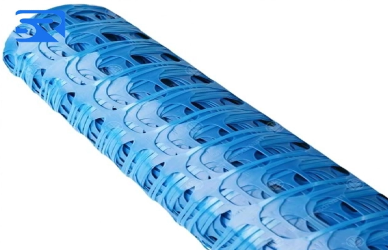
The design of the fence can play a significant role in how well it withstands pressure. Factors like mesh size, the thickness of the plastic, and the spacing between posts can all influence the fence's ability to handle external forces. A thicker, denser design will generally perform better under pressure than a lighter, more flexible design.
Proper Installation
Proper installation is crucial for ensuring the fence can withstand pressure over time. Factors such as post depth, securing anchors, and ensuring the fence is tightly attached to posts can prevent the fence from shifting or being damaged by pressure. Reinforcing plastic fences with additional anchors or bracing can improve their stability in high-pressure environments.
4.Applications of Plastic Safety Fences
Plastic safety fences are commonly used in various settings where moderate protection and flexibility are needed. They are ideal for situations that require temporary or low-security barriers. Some of the most common applications include:
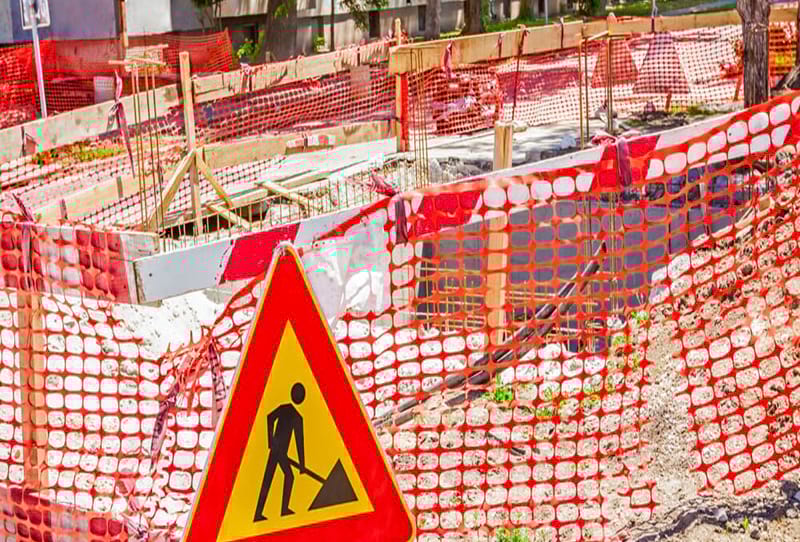
Construction Sites: Used to keep unauthorized personnel out and protect workers from potential hazards. Plastic fences can create a safe boundary around construction zones and ensure safety by clearly marking hazardous areas.
Event Management: Plastic fences help control crowds, define event spaces, and guide attendees at large gatherings like festivals, concerts, and outdoor events. They are easy to install, lightweight, and provide a quick solution for crowd management.
Property Boundaries: They are used for light-duty fencing around residential or commercial properties, offering a simple yet effective boundary for privacy or security. Plastic fences are often chosen for their affordability and low maintenance.
Agriculture: In agricultural settings, plastic safety fences are used to keep animals in or out of specific areas. They help maintain boundaries in pastures or protect crops from wildlife intrusion.
When Plastic Fences Are Sufficient
Plastic safety fences are ideal for low to moderate-security applications where flexibility, ease of installation, and low cost are more important than strength and durability. They are perfect for temporary barriers, crowd control, defining boundaries, or marking construction zones. Their lightweight nature makes them easy to set up and take down, which is why they’re a popular choice for short-term needs.
When Stronger Materials Are Needed
For areas subject to heavy impacts, extreme weather conditions, or high-security requirements, plastic fences may not be sufficient. In such cases, more durable materials such as metal fences or mesh fences with additional support might be necessary. Metal fences, for instance, offer greater impact resistance and are better suited for environments where long-term durability is critical, such as in high-security areas, high-wind zones, or regions with frequent harsh weather conditions.
FAQ
Q1: How much pressure can a plastic safety fence withstand?
A: Plastic safety fences can handle moderate pressure such as light wind and mild impacts, but they may not withstand heavy impacts or extreme weather conditions like hurricanes or severe storms. They are designed for temporary use in environments where high resistance to pressure is not critical.
Q2: Are plastic safety fences suitable for long-term use?
A: Plastic fences are best for temporary or low-security applications. While they offer benefits like flexibility and low maintenance, for long-term, high-security needs, consider upgrading to more durable materials like metal or reinforced fences for better strength, longevity, and protection.
Q3: Can plastic fences be used in high-wind areas?
A: Plastic fences can be used in moderate wind conditions, but additional reinforcement or anchoring is necessary for areas prone to high winds. This can include using deeper posts or adding extra anchors to ensure the fence stays in place and doesn’t become damaged by strong winds.
Q4: Do plastic safety fences require maintenance?
A: Yes, regular maintenance is important for extending the life of plastic safety fences. Maintenance includes cleaning to remove dirt and debris, tightening fasteners, checking for signs of UV damage (such as brittleness), and ensuring the fence remains securely anchored. This will help ensure its continued effectiveness and durability.
Conclusion
Plastic safety fences offer many advantages, including being lightweight, affordable, and corrosion-resistant. However, when it comes to withstanding pressure, they are best suited for moderate conditions. While they can handle light winds, moderate impacts, and UV exposure, they are not as resilient as metal fences in high-pressure environments. Understanding the limits of plastic fences and choosing the appropriate material for your specific needs will help ensure you get the best performance out of your safety fence.