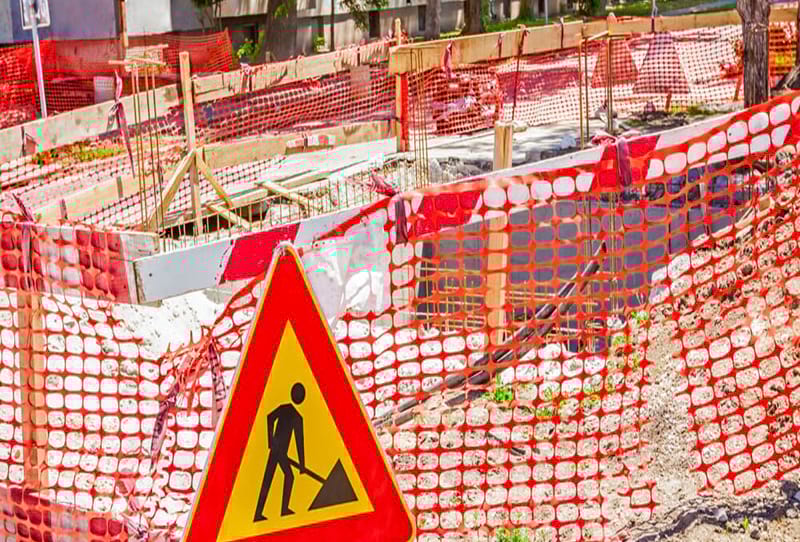


Installing a plastic safety fence correctly is essential if you want it to work as an effective warning and temporary barrier. Unlike heavy permanent fencing, plastic safety fence is designed to be lightweight, highly visible, easy to carry, easy to cut, and quick to install. That makes it a practical solution for construction sites, roadwork areas, event venues, gardens, crop protection zones, and other places where a clear visual boundary is needed.
Because this type of fence is soft and lightweight, the installation method is different from metal or rigid panel fencing. You do not need to treat it like a heavy-duty permanent barrier. Instead, the goal is to create a stable, visible, and neatly tensioned warning line that can guide people, mark restricted areas, and improve site safety.
Preparation Before Installation
Before installing a plastic safety fence, take a few minutes to prepare the site and choose the right accessories. Good preparation makes the installation faster and helps the fence stay secure.
1. Check the Installation Area
Start by examining where the fence will be placed.
Look at the ground conditions first. Is the area flat, sloped, soft, muddy, sandy, or rocky? Plastic safety fence can be installed on many types of ground, but post stability will depend on the soil condition. Soft soil may require deeper insertion or stronger anchoring, while uneven ground may require you to follow the terrain rather than trying to force a perfectly straight bottom line.
Also check the surrounding environment. If the area is exposed to strong wind, high traffic, or frequent pedestrian contact, you should plan for closer post support and extra fastening points.
2. Choose the Right Fence Specification
Before installation, make sure the roll size matches the application.
Plastic safety fence is commonly available in different widths and lengths, so choose a size that suits your project. For example, lower-height fencing may be enough for crowd guidance or garden protection, while taller fencing is more suitable for construction warning areas. If you need a longer barrier, select a roll length that reduces the number of joints.
Mesh size and weight also matter. A lighter fence is easier to handle and faster to deploy, while a heavier specification may provide better stability in more demanding outdoor conditions.
3. Prepare Tools and Accessories
For most plastic safety fence installations, you will need:
· plastic safety fence roll
· support posts such as metal T-posts, wooden stakes, or other stable fence posts
· cable ties, clips, or fastening wire
· scissors or a utility knife for cutting the mesh
· measuring tape
· marking string or spray paint
· hammer or post driver
· ground anchors or extra support stakes if needed
Because plastic safety fence is lightweight and flexible, installation is usually much simpler than rigid fencing. In many temporary applications, the main work is securing the mesh properly to the support posts and keeping the line stable.
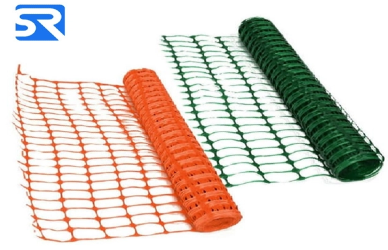
Step-by-Step Guide to Installing Plastic Safety Fence
1. Mark the Fence Line
Begin by marking the exact area you want to enclose or separate.
Use string, stakes, or marking paint to define the fence line clearly. This is especially important on construction sites, event areas, or traffic guidance zones where the fence must create a clear and professional boundary.
At this stage, check for obstacles such as rocks, curbs, trees, drains, or underground utilities. If necessary, adjust the line slightly so the installation remains safe and practical.
2. Install the Support Posts
Plastic safety fence needs support posts to hold it upright. Since the mesh itself is soft and lightweight, the posts are the main structural support.
Drive the posts into the ground along the marked line. The spacing should depend on the site condition, wind exposure, and the height of the fence. In general, windy areas, corners, and high-traffic sections need stronger support and closer post placement.
Make sure the corner posts and end posts are especially secure, because these positions take more pulling force when the mesh is tensioned.
If the installation is temporary, posts are usually driven directly into the ground. For more demanding conditions, you can add extra anchoring to improve stability.
3. Unroll the Plastic Safety Fence
Once the posts are ready, unroll the plastic safety fence along the fence line.
Because the material is lightweight, soft, and thin, this step is usually fast and easy. It is best to work from one end to the other while keeping the roll aligned with the posts.
Avoid dragging the fence aggressively across rough surfaces, as this may damage or distort the mesh. Instead, unroll it gradually and keep it lifted where possible.
4. Attach the Top Edge First
Start fastening the fence at one end post. Secure the top edge first, then continue attaching it to each support post along the line.
Using cable ties, clips, or fastening wire, fix the plastic mesh firmly to the posts. The top line should be kept straight and visible, since this is what people notice first from a distance.
Do not over-tighten the mesh. Plastic safety fence should be tensioned enough to stay neat and upright, but not pulled so tightly that the mesh deforms or tears.
5. Secure the Middle and Bottom Sections
After the top edge is attached, continue fastening the middle and lower sections of the mesh.
This step is important because it prevents sagging, flapping, or folding in windy conditions. The bottom edge should stay as close to the ground as practical, especially if the fence is being used to block entry or guide movement.
If the ground is uneven, let the fence follow the contour naturally instead of forcing a perfectly straight line. This usually gives a cleaner and more secure result.
6. Reinforce the Ends, Corners, and Windy Areas
The most common weak points in a plastic safety fence installation are corners, roll joints, and exposed windy sections.
Add extra ties or additional support posts in these locations. If one roll ends and another begins, overlap the sections neatly and secure both pieces to the same support point whenever possible. This creates a more continuous barrier and reduces the chance of gaps.
For areas with strong wind or heavy public contact, additional anchoring or more frequent fastening points can greatly improve performance.
7. Trim Excess Material and Inspect the Line
One advantage of plastic safety fence is that it is easy to cut. After the fence is fully attached, trim any extra material neatly with scissors or a knife.
Then walk the full fence line and check:
· whether the posts are firm
· whether the mesh is evenly attached
· whether the fence is sagging anywhere
· whether there are loose ends or visible gaps
· whether the warning line is clear and easy to see
A good installation should look straight, tidy, and clearly visible from a distance.
Best Installation Tips for Plastic Safety Fence
To get better results, keep these practical tips in mind:
Use Enough Support Posts
Because plastic safety fence is lightweight rather than rigid, stability depends heavily on the support system. More reliable post support usually means better fence performance.
Do Not Overstretch the Mesh
This material is designed to be flexible and easy to handle. Pulling it too tightly may distort the mesh opening or damage the fence.
Keep Visibility as the Priority
Plastic safety fence is mainly a warning and guidance product. Its bright color and open mesh structure help define restricted zones quickly. During installation, make sure the fence remains fully visible and is not hidden behind equipment, vegetation, or stacked materials.
Reinforce Busy Access Areas
If the fence is installed near walkways, road edges, or public event zones, strengthen those sections with extra ties or posts to reduce movement caused by repeated contact.
Maintenance After Installation
Plastic safety fence is reusable in many cases, but regular inspection is still important.
Check the fence periodically for:
· loose ties or clips
· torn mesh
· leaning posts
· gaps at the bottom or between sections
· damage caused by wind, traffic, or site activity
If the fence becomes loose, re-tighten the fasteners immediately. If a section is torn or badly stretched, replace that piece to maintain visibility and safety.
Cleaning is usually simple. Remove dirt, mud, or debris when necessary so the fence stays visible and professional-looking.
FAQ
Q1: Do I need concrete to install a plastic safety fence?
In most temporary applications, no. Plastic safety fence is usually installed with support posts and fasteners rather than permanent concrete foundations. However, stronger anchoring may be needed in windy or high-traffic areas.
Q2: Can plastic safety fence be cut on site?
Yes. One of the main advantages of plastic safety fence is that it is easy to cut and adjust during installation.
Q3: What kind of posts can be used?
Common support options include metal T-posts, wooden stakes, or other stable temporary fence posts. The right choice depends on the site condition and the required stability.
Q4: Can plastic safety fence be reused?
Yes, in many cases it can be reused, especially when it is removed carefully and has not been torn or overstretched.
Q5: Is plastic safety fence suitable for uneven ground?
Yes. Because it is flexible and lightweight, it can adapt more easily to slopes and uneven surfaces than rigid fence panels.
Conclusion
Installing a plastic safety fence is a simple but important process. The key is to remember that this product is a lightweight warning barrier, not a heavy permanent fence. A successful installation depends on proper site planning, stable support posts, correct fastening, and enough reinforcement in corners and exposed areas. When installed correctly, plastic safety fence provides a fast, cost-effective, and highly visible way to mark hazardous zones, guide movement, and improve safety in construction, traffic, gardening, and event applications. For buyers seeking an easy-to-install, lightweight, and durable warning barrier, Shuorui offers a practical and reliable plastic safety fence solution for temporary safety management.