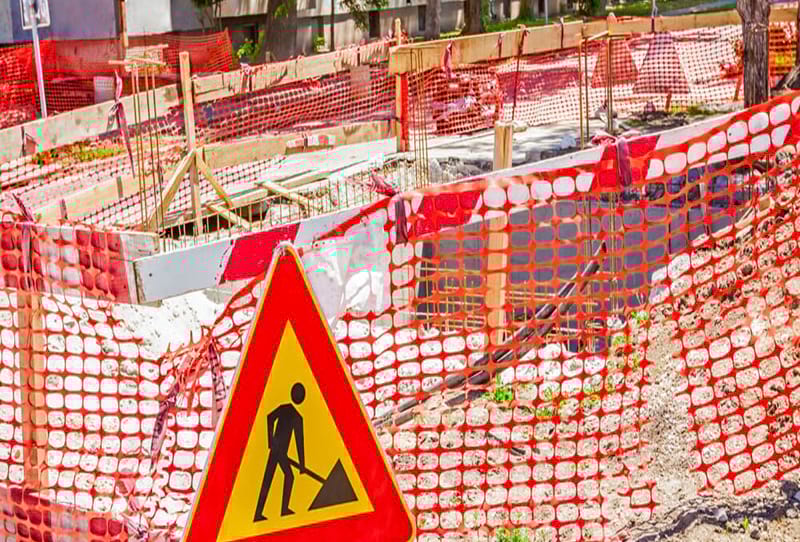


Safety fences play a crucial role in protecting both individuals and property by creating secure boundaries in various environments. These fences are designed to prevent unauthorized access to hazardous areas, thereby reducing the risk of accidents and injuries. In industries like construction, safety fences are essential for keeping workers and the public away from dangerous sites, such as active building projects or demolition zones. In event management, safety fences are used to control crowds, mark event spaces, and ensure attendees' safety by keeping them within designated areas. Additionally, safety fences are often employed to establish clear property boundaries, preventing trespassing and protecting private property from potential damage or theft. Overall, safety fences are a vital tool for maintaining safety, order, and security across a wide range of industries.
1.Understanding Safety Fences
Safety fences are protective barriers designed to restrict access to dangerous or restricted areas, ensuring safety and preventing accidents. They are commonly used to secure construction sites, protect public spaces, or manage crowds during events.
There are several types of safety fences, each suited to different purposes:
Temporary Fences: These are used for short-term projects or events, such as construction sites or festivals, where quick installation and flexibility are important.
Permanent Fences: These fences are built for long-term use, typically around property lines or industrial sites, offering durability and ongoing security.
Security Fences: Designed to deter unauthorized access, security fences are often used in high-risk areas where protection from intruders is critical.
Crowd Control Fences: These fences are used at events to manage crowds and keep people within designated areas.
Material Options
The material choice for safety fences plays a key role in their durability, strength, and purpose. Common material options include:
Steel: Steel fences are highly durable and provide strong security, often used in permanent and high-security applications. They can withstand extreme weather conditions and physical impacts.
Plastic: Plastic fences are lightweight, cost-effective, and easy to install, making them ideal for temporary uses like crowd control or short-term construction zones. They are also resistant to corrosion.
Mesh: Mesh fences, often made from galvanized steel or plastic-coated wire, offer flexibility and visibility while maintaining security. They are commonly used for temporary setups and areas where visibility is important, such as construction sites and sports events.
Choosing the Right Type of Safety Fence
When deciding on a safety fence, it's essential to evaluate the specific needs of your project or event. Consider factors like the duration of use, the level of security required, and the environment where the fence will be placed. Temporary fences may be suitable for short-term needs, while permanent fences offer more durability and security for long-term use. Additionally, certain materials may be better suited for high-traffic or high-security areas, while others are more appropriate for events requiring flexibility and easy installation. Understanding these factors can help you choose the right safety fence for your specific requirements.
2.Factors to Consider When Choosing a Safety Fence
Selecting the right safety fence involves evaluating key factors to meet your specific needs. Here are the main considerations:
Purpose and Use Case
Safety: Preventing Access to Hazardous Areas
A safety fence’s primary function is to block access to dangerous or restricted zones, protecting individuals from injury or harm.
Privacy: Blocking External Visibility
Some fences also provide privacy, making them ideal for securing confidential areas or blocking unwanted views.
Durability and Strength
Wind Resistance and Impact Protection
The fence should be durable enough to withstand environmental factors like wind and impact, ensuring it remains secure during harsh conditions or high traffic.
Corrosion Resistance for Long-Term Use
For outdoor environments, corrosion resistance is key. Materials like galvanized steel or plastic-coated wire prevent rust and extend the fence's lifespan.
Ease of Installation
Quick Setup and Takedown
Fences that are easy to install and remove are ideal for temporary uses such as events or short-term construction, saving time and effort.
Budget and Cost-Effectiveness
Choosing a Cost-Effective Fence Within Budget
Consider both the upfront cost and long-term maintenance. Opt for materials that balance durability and affordability, ensuring value for money.
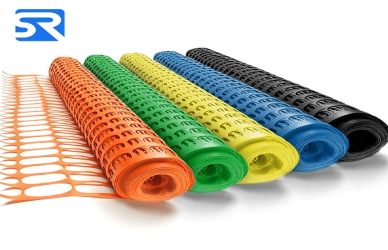
3.Choosing the Right Material
Selecting the right material for a safety fence depends on the specific needs of your project. Here’s a breakdown of the pros and cons of different materials:
Plastic Fences vs. Metal Fences
Plastic Fences
Pros:
Lightweight and easy to install.
Cost-effective for short-term use.
Resistant to rust and corrosion, making them ideal for humid or wet conditions.
Cons:
Less durable and may not withstand high impacts or harsh weather over time.
Not as strong or secure as metal fences in high-risk areas.
Metal Fences
Pros:
Strong, durable, and resistant to impact.
Ideal for high-security areas or long-term installations.
Can withstand harsh weather conditions and heavy traffic.
Cons:
Heavier and more challenging to install.
Susceptible to corrosion if not properly treated, especially in humid or coastal environments.
Mesh Fences vs. Solid Fences
Mesh Fences
Pros:
Provide visibility while still maintaining security.
Easy to install and remove, often used in temporary setups.
Cost-effective and suitable for moderate-security needs.
Cons:
Less privacy and protection compared to solid fences.
May not offer the same level of security in high-risk areas.
Solid Fences
Pros:
Provide full privacy and block external visibility.
Offer higher security, preventing climbing or breaching.
Cons:
Can be more expensive and difficult to install.
Less visibility, which may not be ideal for certain environments where monitoring is important.
Best Options for Different Use Cases
Temporary or Low-Security Needs: Plastic or mesh fences are ideal, as they are easy to install, affordable, and can be quickly removed.
High-Security or Permanent Needs: Metal or solid fences are the best choice due to their strength, durability, and superior protection against external threats.
Privacy Concerns: Solid fences provide the best privacy, ideal for securing confidential areas or blocking visibility in sensitive environments.
4.Regulatory Compliance
When selecting a safety fence, it is crucial to ensure that the fence meets local regulations and industry standards. Compliance not only ensures safety but also avoids legal issues and potential fines.
Ensuring the Safety Fence Meets Local Regulations
Local Safety Codes: Different regions may have specific safety codes that govern the use of barriers and fences, especially for construction sites, public events, or high-security areas. It’s essential to consult local authorities or regulatory bodies to ensure your fence meets all the necessary requirements.
Height and Visibility: Regulations may specify minimum and maximum fence heights, depending on the purpose (e.g., construction zones, privacy, crowd control). Fences should also meet visibility requirements to avoid obstructing traffic or sightlines in certain locations.
Signage and Warning Labels: In some jurisdictions, safety fences must include specific warning signs or hazard labels to indicate dangerous areas. Ensuring these are properly placed on your fence will help comply with local safety laws.
Industry Standards and Certifications
ISO Certification: The International Organization for Standardization (ISO) provides guidelines on the quality and safety of products, including fences. Ensuring your fence has ISO certification guarantees it meets global standards for performance and reliability.
OSHA Standards: For construction sites in particular, the Occupational Safety and Health Administration (OSHA) in the United States has specific standards for the use of safety barriers to protect workers. It's important to ensure your fence meets OSHA requirements to avoid workplace accidents and penalties.
Fire Safety Standards: Certain environments, such as industrial sites or areas with hazardous materials, require fire-resistant materials for fences. Fences meeting fire safety standards can reduce the risk of fire hazards.
FAQ
Q1: What is the primary purpose of a safety fence?
A: The primary purpose of a safety fence is to protect people from entering dangerous areas, ensuring safety on construction sites, during events, or around hazardous zones. It acts as a barrier to prevent accidents and injuries.
Q2: What materials are commonly used for safety fences?
A: Common materials for safety fences include plastic, metal (steel or aluminum), and mesh fabric. Each material offers varying levels of durability, security, and ease of installation, depending on the specific needs of the site.
Q3: How do I know which safety fence is best for my site?
A: To determine the best safety fence for your site, assess factors like whether it is indoors or outdoors, the required security level, the ease of installation, and the material’s durability against local weather conditions.
Q4: Are safety fences compliant with industry regulations?
A: Yes, most safety fences are designed to meet local safety regulations and industry standards. This ensures that they provide the necessary protection and help avoid legal issues or fines. Always verify local compliance requirements before installation.
Q5: How long can I expect a safety fence to last?
A: The lifespan of a safety fence depends on the materials used, environmental factors, and maintenance. Metal fences typically last longer than plastic or mesh ones. Regular inspections and proper maintenance can extend the fence’s durability.
Conclusion
Choosing the right safety fence involves evaluating key factors such as application purpose, durability, strength, installation efficiency, and budget. Different scenarios—from construction site protection to crowd control and privacy boundaries—require tailored fencing solutions. Selecting suitable materials like plastic, metal, or mesh and ensuring compliance with local regulations are essential steps in achieving effective safety management and long-term performance.
For reliable and professionally manufactured safety fencing solutions, Shijiazhuang Shuorui Imp&Exp Co., Ltd. provides a wide selection designed to meet diverse project requirements. With strong production experience and quality-focused standards, the company supports customers in finding practical and cost-effective fencing options. Readers looking for expert advice or customized solutions are encouraged to contact the company for further information and professional assistance.