

Tired of watching aggressive weeds punch straight through flimsy store-bought barriers? You are definitely not alone. Many growers experience the intense frustration of high failure rates from cheap, big-box store weed mats. These inferior products tear easily, degrade under sunlight, and ultimately suffocate your valuable topsoil.
Poor weed control carries a surprisingly steep price. It causes lost crop yields and wastes countless labor hours. It also severely compromises long-term soil health. Relying on the wrong materials forces you into an endless cycle of replacing brittle plastics and pulling weeds by hand.
We want to guide you past the confusing marketing hype. In this guide, you will learn how to select commercial-grade Ground Cover Fabric based on material science and specific agricultural needs. We will cover essential evaluation criteria, application recommendations, and critical installation best practices to ensure your growing season is a resounding success.
Key Takeaways
Material matters: Woven fabrics are essential for high-traffic farm rows; non-woven is strictly for under hardscaping.
Weight vs. Permeability: Heavier weight (oz/sq yd) increases durability but can reduce water flow; balancing the two is critical for plant health.
UV Stabilization is non-negotiable: Exposed agricultural fabrics must have high UV resistance to prevent microplastic shedding and degradation within a single season.
Proper installation is 50% of the success: Fabric prevents weeds from below, but without proper sweeping and maintenance, weed seeds will still germinate in the dirt/mulch accumulated on top.
Why Standard Landscape Weed Barriers Fail in Agricultural Settings
The "Landscape Fabric Myth"
Many beginners fall for the pervasive landscape fabric myth. If you browse homesteading forums or gardening communities on Reddit, you will notice a recurring complaint. Users frustratedly share photos of weeds growing right through their newly laid weed mats. Others show weeds happily sprouting on top of the barrier. Standard landscaping rolls simply lack the tensile strength required to suppress aggressive perennial weeds. Plants like Bermuda grass or thistle will easily pierce thin spun-bound materials.
Degradation and Microplastics
Cheap plastics pose a serious environmental risk. When you buy non-UV-treated plastics, they rapidly become brittle. Sun exposure literally bakes the material. Within one to two years, these cheap barriers shatter into thousands of pieces. This process sheds harmful microplastics directly into your garden beds. You cannot easily remove these fragmented plastic shards. They contaminate the environment and ruin the visual appeal of your property.
Soil Ecology Impact
Soil health relies heavily on airflow and moisture exchange. Low-permeability plastics completely suffocate the vital topsoil layer. When you block oxygen, beneficial aerobic microbes die off. Earthworms cannot move freely near the surface. Gas exchange is fundamentally disrupted. This creates a highly compacted, sterile zone just below the barrier. Your plants will eventually suffer from poor root development and nutrient deficiencies.
Success Criteria for a Viable Alternative
Professional setups require entirely different standards. You need heavy-duty tension strength to withstand foot traffic and wheelbarrows. High water percolation is necessary to keep soil hydrated without pooling. Multi-season reusability is a must. If you have to rip up and replace the material every spring, you are using the wrong product. Your selected Ground Cover Fabric must satisfy all these demands simultaneously.
Woven vs. Non-Woven Ground Cover Fabric: Categorizing Your Solution
Woven Ground Cover Fabric (The Agricultural Standard)
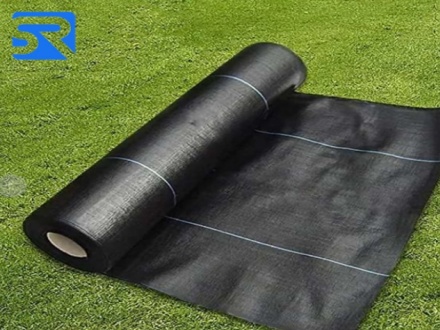
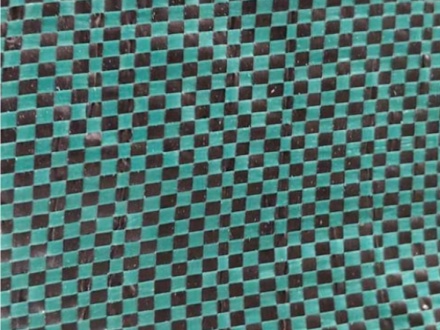
Woven fabrics serve as the gold standard for active agricultural environments. The structure consists of heavy polypropylene strips woven tightly together. It essentially looks and feels like a heavy-duty tarp. This design provides exceptional puncture resistance. You can run heavy wheelbarrows over it without fear of tearing.
There are distinct pros to this material. It offers phenomenal UV resistance and handles daily walking paths brilliantly. You can reuse it for many growing seasons. However, there are a few cons. The cut edges will fray easily. You must melt or burn the edges after cutting to prevent unraveling.
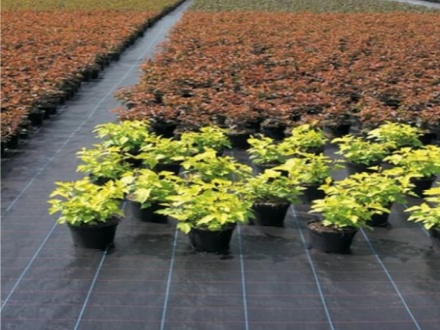
This material works best for commercial farming. We highly recommend it for high-tunnel greenhouses, raised bed pathways, and bustling market gardens. It handles intense daily abuse beautifully.
Non-Woven Fabric (The Landscaping / Hardscaping Option)
Non-woven fabric is an entirely different beast. Manufacturers create it by pressing spun-bound or needle-punched synthetic fibers together. It looks more like thick felt than a plastic tarp. This structure gives it unique drainage properties.
The primary advantage is higher water permeability. Depending on the thickness, water flows through it very rapidly. It also does not fray when you cut it with scissors. But you must watch out for the cons. It stretches out of shape easily. It tears rapidly under regular foot traffic. Furthermore, aggressive weed roots will eventually tangle themselves deep inside the felt-like fibers.
You should strictly reserve non-woven materials for passive projects. It is best for French drains or laying under gravel paths. It works well behind retaining walls or beneath decorative mulch beds. You should never leave it exposed to direct sunlight.
Feature | Woven Fabric | Non-Woven Fabric |
|---|---|---|
Structure | Interlocking polypropylene strips | Needle-punched / spun-bound fibers |
Primary Strength | High puncture resistance, UV protection | Maximum water flow, soil separation |
Durability Under Traffic | Excellent (Handles carts and walking) | Poor (Tears and stretches easily) |
Ideal Use Case | Farm rows, greenhouses, raised beds | French drains, gravel paths, hardscaping |

Essential Evaluation Criteria for Shortlisting Fabrics
Weight and Density (Ounces per Square Yard - oz/sq yd)
You must evaluate the weight of the material carefully. Industry standards measure this in ounces per square yard. A standard 3 oz material provides light-duty protection. It might work for a small, low-traffic backyard garden. However, a 5 oz or heavier material indicates heavy commercial duty. You must match the weight to your expected foot and wheelbarrow traffic. Heavier materials resist punctures from dropped tools and heavy boots.
Permeability / Water Flow Rate
Plants need water to thrive. You must evaluate the GPM (Gallons Per Minute) per square foot ratings. Good permeability ensures the fabric allows rapid irrigation penetration. If the flow rate is too low, water will pool on the surface. Surface pooling creates massive problems. It leads to algae growth, breeds mosquitoes, and ultimately causes root rot below the surface. Always check the manufacturer specifications for drainage rates.
UV Stabilization Lifespan
Do not fall for vague marketing terminology. Many cheap brands claim their products are "UV treated." This means almost nothing in practical terms. Instead, look for clear manufacturer guarantees. Reputable brands offer 5-year or 10-year UV warranties. A guaranteed exposure lifespan means they infused the plastic with carbon black or specific chemical stabilizers. This guarantees the material will not shatter into microplastics during its rated lifespan.
Stripe Indicators
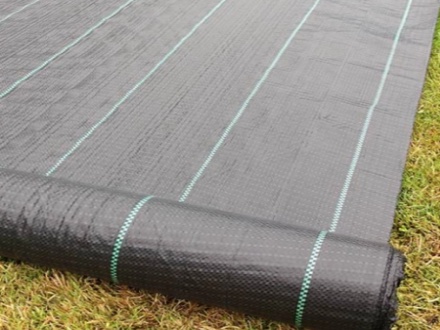
Never underestimate the value of built-in colored planting stripes. High-quality rolls usually feature colored lines woven directly into the fabric every 12 inches. These stripes are critical for operational efficiency. They allow you to scale farm rows perfectly straight. You can quickly measure plant spacing without carrying a tape measure. It streamlines the entire planting process for large-scale operations.
Top Ground Cover Fabric Recommendations by Application
Best for Market Farms and Row Crops
Specs to target: You need a 5 oz woven polypropylene material. Ensure it is heavily UV stabilized and features striped guides.
Evaluation: This setup withstands daily foot traffic. It survives direct, relentless sun exposure. You can easily use a propane torch to burn precise planting holes into it. This seals the edges instantly. It represents the ultimate choice for active organic vegetable production.
Best for Under-Gravel Pathways and Hardscaping
Specs to target: Look for a 4 to 8 oz needle-punched non-woven material.
Evaluation: This application prioritizes separating soil from the aggregate gravel above it. It allows maximum water drainage to prevent puddles. Because the gravel covers it completely, it is never exposed to direct UV rays. It will last for decades if buried correctly.
Best for Killing Existing Weeds (Occultation/Solarization)
Specs to target: You want a heavyweight, 100% opaque woven Ground Cover Fabric or specialized silage tarps.
Evaluation: This method blocks all photosynthesis. It literally starves the weeds to death. You need a remarkably thick material for this process. You will pull it tightly over rough, mowed stubble. A flimsy material will tear on sharp stalks, letting light in and defeating the entire purpose.
Implementation Risks and Installation Best Practices
Site Preparation
Preparation dictates your final success. You must mow down all existing weeds as low as possible. Clear the entire area of sharp sticks, jagged rocks, and debris. You must level the soil carefully. Uneven soil creates air pockets beneath the barrier. Air pockets invite trouble. They provide space for resilient weeds to push up, eventually stretching and stressing the material.
Securing the Fabric
Wind is your biggest enemy during installation. You must specify the use of 6-inch, 11-gauge galvanized landscape staples. Flimsy plastic pegs simply will not hold. You need a strict spacing logic. Place a staple every 1 to 2 feet along all seams. Place staples every 3 feet in the center areas. This grid pattern prevents sudden wind gusts from lifting the edges and turning your mat into a giant sail.
Managing Seams and Edges
Weeds are opportunistic survivors. If you leave a tiny gap, they will find the light. You must follow the 6-to-8-inch overlap rule. When joining two rolls together, overlap them by at least 6 inches. Aggressive weeds like bindweed or Bermuda grass will travel horizontally underground just to find a light gap. A generous overlap severely disrupts their escape route.
The "Dirt on Top" Risk
Many growers forget one crucial detail. A barrier only stops weeds from below. Over time, wind-blown dust and decaying organic matter will accumulate on top of the fabric. This creates a perfect, shallow growing medium. Eventually, airborne weed seeds will land and germinate right on top of your installation. We highly recommend regular maintenance. Sweep the pathways or use a leaf-blower to keep the exposed fabric clean.
Conclusion
Selecting the right weed control solution requires matching the material to your specific environment. We can summarize the decision matrix simply. Choose heavy woven materials for active growing operations. Rely on needle-punched non-woven options strictly for passive hardscaping projects.
You must remember that ground cover fabric acts as a management tool. It is absolutely not a set-and-forget miracle cure. It requires proper installation, secure anchoring, and routine surface maintenance to function at its peak potential over the years.
We recommend starting with a pilot test. Do not rush out and cover five acres immediately. Start with one high-quality roll. Apply it to a specific problem area, like a messy greenhouse pathway or a heavily weeded raised bed. Observe how it performs before scaling up to full-farm coverage.
FAQ
Q: Does ground cover fabric kill existing weeds?
A: Yes, it can kill existing weeds through a process called occultation. By blocking 100% of sunlight, the material stops photosynthesis. Annual weeds die quickly. However, perennial weeds with deep root systems may take several months of complete light deprivation to fully starve and decay. You must leave the material securely in place without lifting it.
Q: Can water and liquid fertilizer pass through woven ground cover?
A: Yes. High-quality woven materials feature excellent permeability ratings. However, brand new woven plastics sometimes exhibit a wax-like finish from the manufacturing process. This can cause minor water runoff initially. After a few weeks of outdoor exposure, the material settles, and liquids will percolate through it quickly and efficiently.
Q: How do you cut woven weed fabric without it fraying?
A: You must use heat to cut woven plastics. Do not use standard scissors for planting holes. We recommend using a small handheld propane torch to quickly melt circular planting holes. For straight line cuts, use an electric heat knife. The heat instantly sears and seals the plastic threads, completely preventing future unraveling.
Q: Is it safe to grow organic food using plastic ground covers?
A: Yes, it is generally considered safe. High-density polypropylene is incredibly stable compared to older plastics like PVC. It does not leach harmful chemicals into the soil when exposed to heat and water. Just ensure you purchase heavy-duty, UV-stabilized agricultural grades to prevent physical microplastic shedding over time.