

You have many choices for shade sails. Here are the main types you can find:
Triangular and rectangular shade sails fit most patios or gardens.
Custom shapes are good for hard-to-cover spaces.
Waterproof and permeable options let you choose rain protection or airflow.
Commercial-grade sails are made for heavy use.
Retractable and DIY sails give you more control and flexibility.
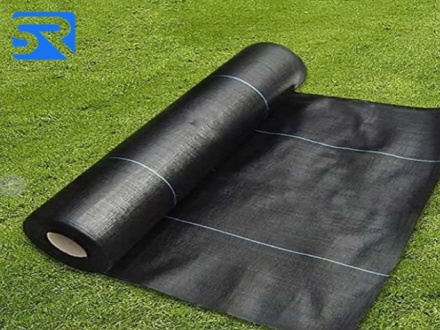
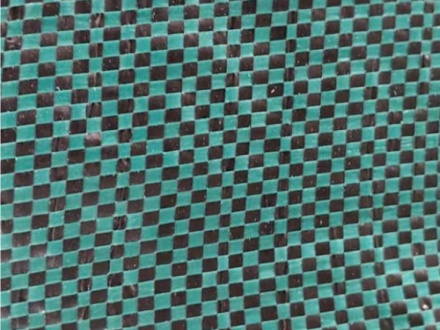
Most shade sails use strong fabric. This fabric is popular and works for homes and businesses. Dark or bright colors block more UV rays. Some fabrics can block up to 99% of UV radiation. To install, you anchor the corners to posts or walls. You can also look at Shade Nets if you want different coverage.
Key Takeaways
Pick the best shape for your area. Triangular sails work well in small spaces. Rectangular sails are good for bigger spaces.
Think about waterproof sails for rainy days. Waterproof sails keep you dry. Permeable sails let air move through.
Custom shade sails give you more choices. You can pick the size, shape, and color you want. This helps match your outdoor space.
Use strong materials like HDPE for longer use. HDPE protects you from the sun’s rays. It also makes the shade sail last longer.
How you install the sail is important. Make sure the sail is tight and the anchor points are secure. This keeps the sail working well.
Types of Shade Sails
Triangular Shade Sails
You might notice triangular shade sails in parks, playgrounds, or even at your favorite outdoor restaurant. These sails have three sides, which makes them super flexible for covering small or oddly shaped spaces. You can attach them to posts, walls, or even trees. If you want to get creative, you can overlap several triangles for a cool, modern look.
Here’s a quick look at what makes triangular shade sails stand out:
| Feature | Details |
|---|---|
| Applications | Playgrounds, Pools, Restaurants, Parks, Schools, Zoos, and more |
| Tensile Strength | Warp: 91 lbf/inch, Weft: 162 lbf/inch |
| Life Expectancy | At least 8 years of continuous use |
| Temperature Stability | 13°C to 176°C |
| UV Protection | Blocks up to 95% of UV rays, handles wind up to 95 mph |
| Warranty | Fabric: 5 years, Steelwork: 10 years |
Tip: Triangular sails work best for small or narrow areas. For bigger spaces, you’ll need to use more than one, which can leave gaps for sunlight or rain to sneak through.
If you compare them to Shade Nets, triangular sails usually offer more style and structure, but Shade Nets can cover larger areas with fewer gaps.
Rectangular Shade Sails
Rectangular shade sails are the go-to choice when you want to cover a big patio, pool, or playground. Their shape makes it easy to shade wide, open spaces with just one sail. You can pick from many standard sizes, and they’re simple to install.
| Size Options | Material Options |
|---|---|
| Many standard sizes | Sunbrella fabric in lots of colors |
| Reinforced Perimeter | 1-1/2" webbing (1,800 lb) for homes; 2" webbing (5,500 lb) or 1/4" cables (6,000 lb) for big or windy spots |
Rectangular sails give you broad shade in one go. They’re perfect for patios, pools, or any place where you want lots of coverage without fussing with multiple sails.
Note: If you want a simple, effective way to block the sun, rectangular sails are a solid pick. Shade Nets can also cover large areas, but they don’t always look as neat or finished.
Custom Shade Sails
Sometimes, your space doesn’t fit the usual shapes. That’s where custom shade sails come in. You can pick the size, shape, and color that fits your spot perfectly. Want a triangle, rectangle, or something totally unique? You’ve got options.
| Size/Shape | Options Available |
|---|---|
| Shape | Rectangular, Triangular, or custom |
| Size | Made to your measurements |
| Color | Coastal Tan, Steel Grey, Desert Sand, Cobalt Blue, Off White, Dusty Blue, Brick Red, Light Grey, and more |
Lighter colors reflect sunlight and keep things cooler.
Darker shades soak up more UV rays and heat, giving you extra protection.
Custom sails cost more than standard ones. Here’s a quick price comparison:
| Service | Average Cost |
|---|---|
| Standard Shade Sail Install | $500 - $2,500 |
| Custom Shade Sail Design | $1,000 - $4,000 |
If you want your shade to match your house or business, or you have a tricky space, custom sails are worth it. Shade Nets can be cut to size, but they don’t offer the same design choices.
Waterproof Shade Sails
Do you want to stay dry when it rains? Waterproof shade sails have you covered. These sails use special materials that block both sun and rain. You’ll need to install them at an angle so water runs off instead of pooling.
| Material Type | Waterproofing Effectiveness | Additional Notes |
|---|---|---|
| PES Polyester + PU Coating | 100% waterproof | Great for heavy rain, needs proper slope |
| PVC/TPU | Superior waterproofing | Not breathable, can cause condensation |
| Feature | Waterproof Shade Sails | Permeable Shade Sails |
|---|---|---|
| UV Protection | Excellent, blocks sun well | Good, but not as strong |
| Weather Protection | Blocks sun and rain | Mostly sun, not rain |
| Material | PVC/polyester or polyurethane-treated | Breathable fabrics |
| Ideal Use | Year-round, permanent spots | Places needing airflow and cooling |
Waterproof sails block both sun and rain, so you can use your outdoor space even during a shower.
They’re perfect for patios with furniture that shouldn’t get wet.
If you want to enjoy your backyard in all weather, waterproof sails are a smart choice. Shade Nets usually let rain through, so they’re better for sun than storms.
Permeable Shade Sails
Permeable shade sails let air and some water pass through. They use knitted fabrics like high-density polyethylene (HDPE), which means you get shade without feeling stuffy underneath.
| Advantage | Description |
|---|---|
| Good airflow | Knitted fabric keeps things cool and breezy |
| Breathable HDPE | Blocks UV rays, resists fading, eco-friendly |
| Rainwater drainage | Lets rain drain through, so no puddles or sagging |
These sails block about 80% of water, so you’ll stay mostly dry in light rain.
They dry quickly and don’t trap heat or humidity.
Great for windy spots, since air can move through and prevent tearing.
Tip: If you live somewhere hot or breezy, permeable sails keep your space comfortable. Shade Nets work in a similar way, but shade sails often look more polished.
Commercial-Grade Shade Sails
Commercial-grade shade sails are built tough. You’ll see them in schools, parks, and business courtyards. They use heavy-duty HDPE fabric and strong steel posts, so they can handle lots of sun, wind, and rain.
These sails last longer and need less maintenance than regular ones.
They block UV rays and create inviting outdoor spaces for everyone.
You can design them in different shapes and sizes to fit any area.
Note: If you need shade for a public space or business, commercial-grade sails are a smart investment. Shade Nets can cover big areas, but they might not last as long or look as professional.
Retractable Shade Sails
Retractable shade sails give you control. You can open them for shade or close them to let in the sun. There are two main types:
| Mechanism Type | Description | Advantages |
|---|---|---|
| Manual | Use a hand crank or pull system | Simple, affordable |
| Motorized | Uses motors and sensors | Easy, automatic, responds to weather |
Motorized sails can adjust themselves based on wind, sun, or rain.
Retractable sails cost more and need more care, but they’re great for changing weather.
| Feature | Retractable Awnings | Fixed Awnings |
|---|---|---|
| Flexibility | Adjustable shade | Always the same |
| Maintenance | Needs regular cleaning | Low maintenance |
| Upfront Cost | Higher, especially motorized | Lower |
| Durability | Less tough in storms | More durable |
| Adaptability | Can retract to avoid damage | Stays in place |
| Ideal Use | Dynamic spaces | Static shade zones |
If you want shade only when you need it, retractable sails are a fun option. Shade Nets don’t offer this flexibility.
DIY Shade Sails
You can build your own shade sail if you like hands-on projects. You’ll need fittings like tees, elbows, flanges, and clips. Making your own can save money, but you need to plan carefully.
| Fitting Type | Quantity | Cost per Unit | Total Cost |
|---|---|---|---|
| Single Socket Tee | 5 | $29.85 | $149.25 |
| Side Outlet Elbow | 2 | $53.64 | $107.28 |
| Flange | 2 | $33.23 | $66.46 |
| Wall Flange | 5 | $64.05 | $320.25 |
| Single Sided Clip | 1 | $10.03 | $10.03 |
| Double Sided Clip | 1 | $21.81 | $21.81 |
| Female Single Swivel Socket Member | 2 | $26.06 | $52.12 |
| Base Plate | 2 | $26.33 | $52.66 |
Here are some common mistakes to avoid:
Don’t buy a sail that’s too small—measure first.
Don’t install it flat—angle it so rain runs off.
Use strong posts and fixings.
Make sure your sail blocks UV rays.
For big areas, use more than one sail for better coverage.
DIY shade sails let you customize your space and save money. Shade Nets are also a budget-friendly option, but they don’t always look as finished as a well-installed sail.
Shade Sail Differences
Shape and Coverage
When you pick a shade sail, the shape really matters for how much area you can cover. Here’s how different shapes work for you:
Rectangular sails work best for big lounging areas. You get lots of shade with just one sail.
Triangular sails fit smaller or odd-shaped spaces. You can use them in tight corners or mix them for a cool look.
If you combine different shapes, you can create unique patterns. This helps you get shade at different times of the day.
Want to cover a large patio? Try a rectangle. Need to shade a small garden spot? Go for a triangle. You can even mix and match for style and coverage.
Material and UV Protection
You want your shade sail to last and keep you safe from the sun. High-density polyethylene (HDPE) is a top pick for this job.
HDPE blocks harmful UV rays, so you stay protected.
This fabric is tough. It resists rotting, mildew, and fading.
HDPE sails work great for outdoor spaces and keep their color for years.
If you compare these to Shade Nets, you’ll notice both use strong materials, but shade sails often look more finished and stylish.
Installation and Anchoring
Getting your shade sail tight and secure is key. Here’s what you should do:
Pull each corner evenly to keep the sail flat and wrinkle-free.
Use about 100 pounds of tension when you install it.
Pick anchor points that are strong, like steel posts. Avoid trees or weak fence posts.
For special shapes, set anchor points at different heights to help water run off and keep the sail tight.
A good anchor keeps your sail safe in wind and rain.
Durability and Weather Resistance
You want your shade sail to handle tough weather. Here’s how you can make sure it lasts:
Choose high-quality materials like HDPE for strength.
Install your sail with the right tension to stop it from flapping in the wind.
Look for sails with double-stitched seams and reinforced corners.
Some designs work better in high winds, so pick the right one for your area.
A well-installed sail stands up to storms and sun. If you want something for heavy rain or wind, check the material and design before you buy.
Shade Sails vs Shade Nets
Material Comparison
When you look at shade sails and shade nets, you notice some big differences in the materials. Shade sails often use high-density polyethylene (HDPE), PVC-coated fabrics, or polyester. These materials feel thick and sturdy. Shade nets, on the other hand, usually use lighter mesh fabrics. You might see vinyl mesh or open-weave polyester in these nets.
Here’s a quick table to show how much UV protection you get from each material:
| Material | UV Protection (%) |
|---|---|
| HDPE | Up to 98% |
| PVC-coated fabrics | Strong UV blocking |
| Polyester | Varies |
| Vinyl mesh | Varies |
You can see that HDPE and PVC-coated fabrics in shade sails block more UV rays than most shade nets. Some shade nets, like Polytex or Soltis 86, still offer good protection, but the numbers can change a lot depending on the brand and weave.
If you want the best UV protection for your family or outdoor furniture, shade sails usually win.
Use Cases and Effectiveness
You might wonder where each option works best. Shade sails shine in places where you want both style and strong coverage. You often see them over patios, pools, playgrounds, or as a cool feature in a backyard. Shade nets work well when you need to cover large areas quickly or want something easy to move.
Here’s a table to help you compare:
| Shade Sails Use Cases | Shade Nets Use Cases |
|---|---|
| Patio shading | Vehicle protection |
| Pool lounging | Storage for ATVs, boats, bikes |
| Playgrounds | Workshop space |
| Decorative spaces | Backyard shade structure |
| Outdoor gym shelter | |
| Entertainment space |
Shade sails give you a finished look and last longer in tough weather. Shade nets cost less and set up fast, so you can use them for temporary shade or to protect cars and gear. If you want something that looks great and blocks the most sun, go with a sail. If you need quick, flexible shade, nets might fit your needs better.
Think about how you want your space to look and how much sun you need to block. That will help you pick the right option.
Choosing the Right Shade Sail
Assessing Space and Needs
Before you pick a shade sail, take a good look at your outdoor area. You want the right fit and the best coverage. Here’s what you should check:
Size and Shape: Measure your space. Decide if a triangle, rectangle, or custom shape works best.
Fabric Material: Choose strong, UV-resistant fabrics like HDPE or polyester. These last longer and protect you better.
UV Protection: Look for a UPF rating of 50+ to block harmful rays.
Installation Options: Think about where you’ll attach the sail. Will you use existing walls, or do you need new posts?
Tip: Sketch your area on paper. Mark where you want shade and where you can anchor the corners.
Climate and Weather Considerations
Your local weather makes a big difference in what shade sail you should choose. Check out this table to match materials to your climate:
| Material | Climate Suitability | Key Features |
|---|---|---|
| Fabrics | Hot, sunny climates | UV protection, lightweight |
| Aluminum | All weather | Rust-resistant, durable |
| Steel | Storm-prone areas | Strong, needs rust treatment |
| Wood | Harsh climates | Looks nice, needs maintenance |
If you get lots of sun, go for UV-blocking fabric. For windy or stormy places, steel posts give you extra strength.
Budget and Maintenance
Shade sails come in many price ranges. Here’s what affects the cost:
Fabric Shade Sail Prices: Prices change based on size, shape, and material.
Installation Fees: Professional help usually costs $300 to $1,500.
Material Quality: HDPE, PVC, and acrylic cost more but last longer.
Size: Bigger sails need more material and support, so they cost more.
Customization: Custom sails cost more than standard ones.
Labor: Complex projects or skilled installers raise the price.
Maintenance: Clean your sail regularly and check anchors for safety.
Note: A small sail might cost $200 to $600. Custom designs can go much higher.
Design and Color Options
The color of your shade sail changes both the look and the feel of your space. Lighter colors reflect sunlight and keep things cooler. Darker colors soak up more heat but block more UV rays. If you want a modern look, dark shades work well. For a garden or natural space, lighter colors blend in better. Your choice affects comfort and style, so pick what fits your outdoor vibe.
You have lots of choices when it comes to shade sails. Each type—triangle, rectangle, custom, waterproof, or permeable—offers something different. Keep these points in mind:
Pick a fabric with 160-180 GSM for most outdoor spaces.
Choose a shape that fits your area and style.
Install your sail with the right tension for long-lasting shade.
Darker colors block more UV rays and give better protection.
Want the best fit? Compare shade sails and shade nets to see which one matches your needs.
FAQ
How do I clean my shade sail?
You can clean your shade sail with mild soap and water. Use a soft brush or sponge. Rinse it well and let it air dry. Avoid bleach or harsh chemicals. These can damage the fabric.
Can I leave my shade sail up all year?
You can leave it up in mild weather. If you expect heavy snow or storms, take it down. This helps your sail last longer and prevents damage.
What is the best way to anchor a shade sail?
Use strong anchor points like steel posts or sturdy walls. Tighten the sail so it stays flat and secure. Avoid using weak structures or trees.
Do shade sails block rain as well as sun?
Some shade sails block rain, but not all. Waterproof sails keep you dry. Permeable sails let water pass through. Check the product details before you buy.