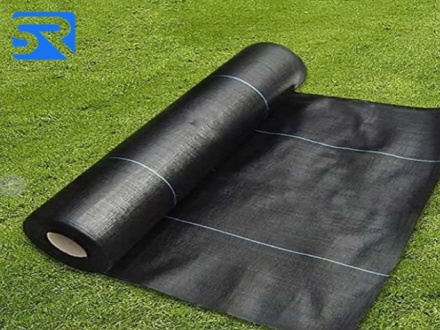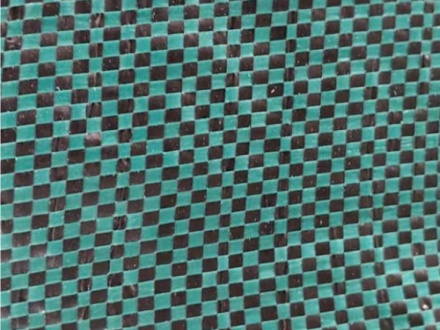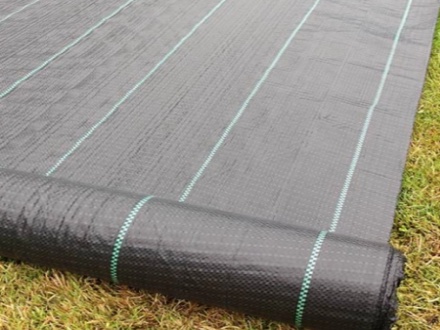


You can help your plants thrive by using shade net to manage sunlight, temperature, and weather risks. This simple tool blocks harmful UV rays, improves ventilation, and saves water. Different colors of shade net support specific plant needs. For example, green cools shade-loving plants, black controls weeds, and red boosts fruit crops.
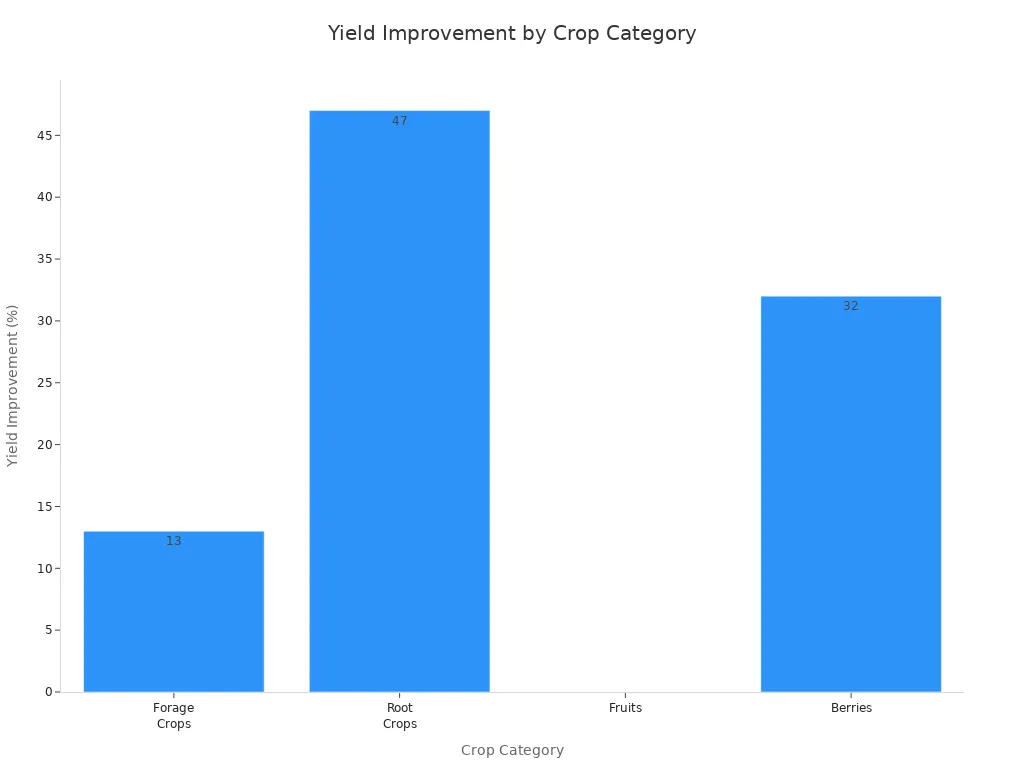
Here’s how shade net improves crop yields:
| Crop Category | Yield Improvement (%) |
|---|---|
| Forage Crops | 13 |
| Root Crops | 47 |
| Fruits | 0.01 |
| Berries | 32 |
Choosing the right shade net can protect plants and boost their health in any climate.
Key Takeaways
Shade nets keep plants safe from strong UV rays. This stops leaves from burning and helps plants grow better.
Picking the right shade net color and percentage helps plants make food. It can also help crops grow more.
Shade nets keep temperatures steady and let air move well. This makes a nicer place for plants to live.
These nets save water by stopping it from drying up fast. Plants get watered better and stay healthy.
Shade nets protect plants from bad weather and bugs. This makes crops stronger and can help farmers earn more money.
Shade Net Sun Protection
UV Shield for Plants
Shade nets help keep plants safe from harmful ultraviolet rays. They work like a shield and block some of the sun’s rays. The color of the shade net changes how much UV light gets through. Blue shade nets block UV, red, and far-red light. Red shade nets block UV, blue, and green light. This makes the area safer for your plants and helps them grow well.
| Shade Net Type | UV Absorption Features |
|---|---|
| Blue Shade Net | Absorbs UV, red, and far-red light |
| Red Shade Net | Absorbs UV, blue, and green light |
| Photo Selective Net | Filters solar radiation, blocks UV |
Farmers use sunshade nets to protect plants from strong sunlight. Sun netting also helps plants stay cool on hot days. This keeps your crops healthy and less stressed.
Prevents Leaf Burn
Shade nets stop leaves from burning in the sun. They lower heat stress and protect plants from too much sunlight. When you use shade netting, your plants are less likely to get hurt by the sun. Research shows that plants under shade nets use water better and grow more than plants without nets.
| Treatment | Photosynthetic Activity (Pn) | Water Use Efficiency (WUE) | Biomass Accumulation |
|---|---|---|---|
| No Shade, Water Deficit (NS-WD) | 2.45 μmol m−2 s−1 | Lower | Lower |
| Shade, Water Deficit (S-WD) | Equal to well-watered plants | Higher | Higher |
| No Shade, Well-Watered (NS-WW) | 9.14 μmol m−2 s−1 | N/A | N/A |
| Shade, Well-Watered (S-WW) | 11.57 μmol m−2 s−1 | N/A | N/A |
Shade nets do more than just protect plants. They help plants grow stronger by stopping leaf burn and blocking too much heat.
Supports Photosynthesis
Shade nets help plants make food by controlling sunlight. You can pick different shade percentages for your crops. A lower percentage, like 30%, lets in more light and helps sun-loving plants. Higher percentages, like 70% or 90%, block more heat and are good for shade-loving plants.
| Shade Percentage | Effect on Sunlight | Effect on UV Radiation | Crop Suitability |
|---|---|---|---|
| 30% | More light, boosts photosynthesis | Moderate UV exposure | Tomatoes, peppers |
| 50% | Balanced light and protection | Reduced UV exposure | Lettuce, spinach |
| 60% | Shields from intense sunlight | Lower UV levels | Tropical crops |
| 70% | Less light, minimal UV | Ferns, shade plants | |
| 90% | Maximum heat blockage | Very low UV | Seedlings, nurseries |
Farmers use shade nets to keep plants safe from strong sunlight. Sunshade nets help plants stay healthy and keep making food.
Tip: Pick the right shade net color and percentage for your plants. This will help block heat and lower stress in your garden or farm.
Shade Net Climate Control
Stable Temperature
Shade nets help keep the temperature steady for your plants. They block too much sunlight and lower heat. This means your plants do not get too hot. Shade nets stop big changes in temperature from day to night. Your plants stay in a comfortable environment. This helps them drink water and take in nutrients better.
On sunny days, shade nets can make greenhouses almost 7% cooler.
On cloudy or rainy days, the temperature drops by about 5%.
Shade nets cut down solar radiation inside by over 60% on sunny days.
Shade nets protect your plants from getting too hot. They help your plants grow better and stay safe from harsh weather.
Improved Ventilation
Shade nets do more than just block heat. They also let air move around your plants. Good airflow is important for healthy plants. It keeps the air fresh and stops it from getting too wet. Shade nets let air pass through and stop still air from building up. Still air can cause pests and diseases.
Shade nets keep humidity at safe levels and stop pests and diseases.
They help air move, so your plants stay healthy.
Shade nets keep temperatures steady and lower the risk of still air.
Shade netting goes right over your crops to protect them from the sun. This stops too much sunlight from reaching your plants. Shade nets also help protect plants from diseases. Too much sun can cause bad crop diseases. Harmful ultraviolet rays from the sun can hurt your plants if you do not use shade nets.
Conserves Water
Shade nets help you save water in your garden or farm. They block sunlight and lower heat, so less water evaporates. This keeps the soil wet for longer. You do not need to water your plants as much. Shade nets lower heat stress, so plants use water better. Saving water is very important for farmers.
| Measurement | Under Nets | Control | Difference |
|---|---|---|---|
| Daily total solar radiation | ∼ 12% lower | N/A | N/A |
| Wind speed | > 36% lower | N/A | N/A |
| Reference evapotranspiration | ∼ 12% lower | N/A | N/A |
| Seasonal transpiration (T) | 11% lower | N/A | N/A |
| Evapotranspiration (ET) | 4% lower | N/A | N/A |
| Irrigation water requirement | 4% lower | N/A | N/A |
Shade nets help keep water in the soil. They help you use water wisely and grow healthy plants with better harvests.
Shade Nets for Weather Defense
Barrier Against Wind and Rain
Shade nets help protect your crops from bad weather. They work like a shield against strong wind and heavy rain. When the wind blows hard, shade nets stop stems and leaves from breaking. If it rains a lot, shade nets keep water from flooding the soil. They also stop soil from washing away. The mesh lets air move, so plants stay healthy in storms. Shade nets made from high-density polyethylene block heat well. They lower heat stress and keep crops safe in tough weather.
| Benefit | Description |
|---|---|
| Reduced damage from wind | Protects crops from strong winds that can cause harm |
| Protection against heavy rain | Minimizes waterlogging and related crop damage |
You can pick shade nets with different mesh sizes and shading levels. This helps you match the net to your local weather. In hot places, thick shade nets block more heat. In cooler places, lighter nets let in more sun.
Minimizes Hail Damage
Shade nets protect your plants from hail. Hail can break leaves, stems, and fruit. When you use shade nets, they spread out the force of hail. This keeps your crops safe from harm. Shade nets also keep the temperature steady after storms. You can get anti-hail nets made with strong fibers. These last a long time, even if storms happen often.
| Type | Expected Lifespan |
|---|---|
| Monofilament Shade Net | 3–10 years |
| Anti-hail Net | 3–8 years |
| Premium Shade Sail | 5–10 years |
Shade nets are tested to make sure they are strong and do not tear easily. Makers use UV-stabilized polyethylene so the nets do not get ruined by the sun. This makes the nets last longer and work better.
Reduces Pest Risk
Shade nets help keep pests away from your plants. Small mesh sizes stop bugs from getting in. This means you do not need as many pesticides. In Alabama, a 50-mesh net house kept pests away from tomatoes and peppers. Shade cloths on tunnel walls also stop insects. Exclusion nets protect trees and fruit crops, so farming is better for the environment.
Exclusion nets with small mesh sizes keep pests away from crops.
Shade nets lower heat stress, which means fewer pests.
You can pick nets with different colors and mesh sizes for your needs.
Shade nets help save water and control temperature, so plants fight pests better.
You can choose shade nets that fit your area. Pick the right mesh size, shading level, and color for your crops. Nets made from new materials last longer. Recycled nets cost less but do not last as long. Shade nets also lower heat stress, improve airflow, and help save water.
Tip: Pick UV-stabilized shade nets for stronger and longer-lasting nets. These nets block heat and lower stress, even during storms or heatwaves.
Shade nets help your plants in three main ways:
Sun protection keeps leaves and fruit safe from strong sunlight.
Climate control makes the area around plants steady for better growth.
Weather and pest defense protects crops from storms and bugs.
Shade nets help you grow plants that are healthier and give more crops. Fruits grown under shade nets can sell for up to 15% more money.
| Benefit | How It Helps Your Plants |
|---|---|
| Sun Protection | Makes fruit better and stops sunburn |
| Climate Control | Helps plants use water well and grow faster |
| Weather/Pest Defense | Keeps crops safe and helps them grow for a long time |
Try using different shade nets for your plants and weather. You can make your garden better and use less water and energy.
FAQ
How do you choose the right shade net percentage for your plants?
You should match the shade percentage to your plant’s sunlight needs. Use 30% for sun-loving crops. Pick 50% or higher for shade-loving plants. Check the plant label or ask a local expert for advice.
Can shade nets help reduce water usage in your garden?
Yes, shade nets lower evaporation and keep soil moist longer. You water less often. This helps you save water and keeps your plants healthy during hot weather.
What is the best color shade net for vegetable gardens?
Green shade nets work well for most vegetables. They cool the area and support healthy growth. Black nets help control weeds. Red nets boost fruit crops. Choose the color based on your crop type.
Tip: Try different colors to see which works best for your garden.
How long does a shade net usually last?
Most shade nets last 3 to 10 years. UV-stabilized nets last longer. Check the product label for lifespan details.
| Shade Net Type | Expected Lifespan |
|---|---|
| Standard | 3–5 years |
| UV-stabilized | 5–10 years |