


Forage spoilage delivers a direct hit to farm profitability. Oxygen remains the absolute enemy of proper fermentation. Exposing high-moisture forage to air ruins nutritional value fast. You lose dry matter rapidly. You also decrease overall feed quality. Over recent years, many operations shifted toward high-moisture baleage. This method relies heavily on high-quality barrier films. Proper plastic seals out oxygen completely. We want to provide a pragmatic framework here. You need practical strategies for evaluating and selecting film. You must apply the wrap correctly to minimize feed loss. Good practices maximize your return on investment. Let us explore exactly how you can protect your valuable harvest. When you choose a reliable Silage Bale Wrap, you secure your forage quality. You ensure your livestock eat nutrient-dense feed all winter. Our goal is to help you master this essential harvest step.
Key Takeaways
Timing is critical: Adhering strictly to the "4-Hour Rule" between baling and wrapping significantly reduces aerobic spoilage and dry matter loss.
Moisture dictates success: Wrapping is only effective if forage is baled at the correct moisture target (typically 45–60% for baleage).
Film quality over unit cost: Prioritize puncture resistance, UV stability, and optimal tackiness over the lowest price per roll to prevent costly catastrophic spoilage.
Layer count matters: A minimum of 6 layers is the industry baseline for long-term storage, with up to 8 layers recommended for coarse, stemmy crops.
The Financial Impact of Spoilage: Why Your Wrap Matters
Poor fermentation costs you money every single day. It causes severe dry matter loss during storage. Your livestock often refuse unpalatable, mold-covered feed. Decreased feed intake leads directly to poor animal performance. Lower milk production and reduced weight gain erode your margins quickly. You spend money growing the crop. Losing it during storage hurts your bottom line immensely.
The science behind this spoilage is straightforward. Anaerobic fermentation requires a completely oxygen-free environment. Air ingress interrupts this crucial biological process immediately. Oxygen fuels rapid yeast and mold growth. This microbial activity generates intense heat inside the bale. Heating burns up valuable proteins. It destroys the core energy content of the feed. What you have left is basically expensive filler.
You must define a successful wrap job strictly. Success means achieving an absolute airtight seal. This seal must maintain structural integrity everywhere. It must survive rough machinery handling. It must endure severe weathering from wind and rain. It also needs to last through extended storage periods. Using an inferior material guarantees failure. Applying premium Silage Bale Wrap prevents these cascading financial losses. You preserve the feed value you worked so hard to grow.
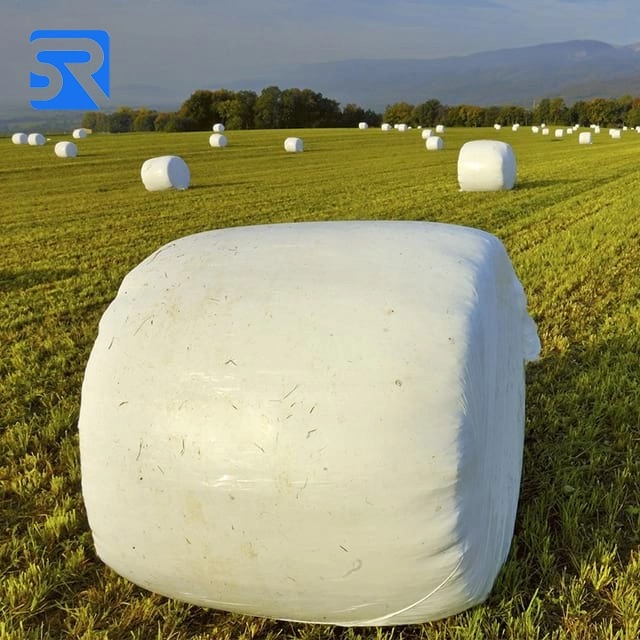
Core Evaluation Criteria for High-Quality Silage Bale Wrap
How do you evaluate plastic films effectively? You must look at four specific technical properties. Do not just buy the cheapest roll available.
First, consider oxygen barrier capabilities. Modern manufacturing uses multi-layer extrusion technology. This process stacks distinct polymer layers together tightly. Multiple layers block oxygen transmission much more effectively. Single layers often feature microscopic pinholes. Blocking air prevents aerobic bacteria from waking up. It keeps the fermentation process stable.
Second, analyze mechanical strength and puncture resistance. Film toughness matters immensely in the actual field. You often bale stiff crops like alfalfa. Mature grasses also possess very sharp stems. These sharp stems easily pierce weak plastics. High-quality Silage Bale Wrap resists puncturing and tearing. It stretches over sharp edges safely. The film elongates without breaking or snapping.
Third, evaluate the film tackiness. We often call this cling. Wrap must bond tightly to itself. Good adhesive properties seal out air instantly. They create a weatherproof barrier against rain. However, the film should not leave sticky residue. Gumming up your wrapping equipment causes major delays. It creates annoying machine jams during critical harvest hours.
Finally, verify the UV stability rating. Sunlight degrades agricultural plastics rapidly. Manufacturers add special UV inhibitors to the resin matrix. Most reliable films carry a 12-to-18-month UV rating. These chemical additives prevent the plastic from cracking. Harsh summer sun destroys unprotected plastic in weeks. You need guaranteed protection for year-round storage.
The "4-Hour Rule" and Optimal Moisture Targets
Timing controls your forage destiny completely. You must wrap bales within four hours of baling. We call this the "4-Hour Rule" across the agricultural industry. Prompt wrapping halts aerobic respiration quickly. It forces the bale into anaerobic fermentation right away. Delaying this process burns up valuable plant sugars. It also increases internal bale temperatures dangerously. Hot bales lose essential protein digestibility.
Moisture dictates fermentation success just as much. Extension offices recommend specific targets. You should aim for 45% to 60% moisture. This range ensures optimal baleage production. Baling too dry creates major problems. Dry forage traps excess air inside the bale core. It strongly resists packing tightly. This leads to poor fermentation. It encourages heavy white mold growth. Conversely, baling too wet carries different severe risks. Moisture levels above 65% encourage clostridial fermentation. This bad fermentation produces foul-smelling butyric acid. Livestock will refuse to eat it. It also raises the risk of botulism. Botulism can wipe out entire herds quickly.
Balancing your daily operations takes immense skill. You must match your baler speed carefully. Compare it against your actual wrapping capacity. Do not mow more hay than you can wrap today. During peak harvest, logistics get chaotic easily. Equipment breakdowns steal valuable time. Plan your machinery passes carefully. Never let bales sit unprotected overnight. Unwrapped bales lose moisture and start spoiling by morning.
Film Layers: Balancing Protection with Material Costs
Applying the right number of layers determines your success. You cannot skimp on plastic safely. Let us review the standard layer recommendations.
Using 4 layers carries extremely high risk. We consider this acceptable only for very short-term storage. You should only use it on very smooth forage. Soft, wet grasses might survive a few weeks. However, oxygen will eventually penetrate this thin barrier.
Applying 6 layers represents the industry baseline. This thickness provides an optimal oxygen barrier. It offers solid structural integrity for normal handling. Most producers use 6 layers for standard haylage. It balances protection and material cost perfectly.
Upgrading to 8 layers is completely necessary sometimes. Mature, stemmy crops demand thicker protection. You also need 8 layers for prolonged storage. Anything exceeding nine months requires extra plastic. We strongly recommend it if you handle bales multiple times. Transporting bales causes friction and micro-tears. Extra layers prevent catastrophic air leaks.
Layer Application Guidelines
Layer Count | Storage Duration | Crop Type Suitability | Risk Profile |
|---|---|---|---|
4 Layers | Under 3 months | Soft, wet grasses only | High risk of spoilage |
6 Layers | Up to 12 months | Standard haylage mixtures | Low risk (Industry Standard) |
8 Layers | 12 to 18+ months | Coarse, stemmy, dry crops | Minimal risk (Maximum Protection) |
Many producers worry about the extra upfront cost. Let us look at a simple cost-benefit analysis. Applying two extra layers costs just a few dollars. Now compare this to losing an entire bale. A spoiled bale wastes your fertilizer, fuel, and labor. Replacing that lost feed costs exponentially more. The marginal cost of extra plastic always wins. It acts as a cheap insurance policy for your crop.
Implementation Realities: Application Risks and Handling
Perfecting your wrap job requires strict attention to detail. Equipment setup dictates the final outcome heavily. Proper handling prevents accidental damage later.
First, you must calibrate your equipment correctly. Verify your pre-stretch unit tension regularly. Check the gears for wear and tear. Most systems require a 55% to 70% stretch rate. Over-stretching thins the film dangerously. Thin plastic loses its UV protection entirely. It also loses its oxygen barrier capabilities. Under-stretching wastes expensive material quickly. It causes loose, sloppy seals. Loose tails flap in the wind and let air inside.
Next, consider your storage environment carefully. Site selection plays a massive role in preservation. Follow these storage guidelines closely:
Select a well-drained area to prevent bottom spoilage.
Clear all sharp debris, rocks, and old branches.
Orient bales north-to-south to equalize sunlight exposure.
Keep bales away from tree lines to deter pests.
Pest mitigation requires proactive effort all year. Wildlife will destroy your hard work quickly. Birds peck holes looking for insects. Mice chew through plastic to build nests. Use these practical steps to protect wrapped bales:
Deploy secure bait stations for rodents early in the season.
Install protective netting over the stack to deter birds.
Erect sturdy fencing to keep livestock and deer away.
Inspect the storage site weekly for fresh damage.
Finally, adopt better handling practices immediately. Never use traditional bale spears on wrapped feed. Spears puncture the seal instantly. You should use specialized squeeze handlers instead. Squeeze handlers grip the bale gently. If you notice a puncture, patch it immediately. Only use designated UV-stabilized repair tape. Duct tape degrades quickly in the sun and fails.
Shortlisting Your Silage Bale Wrap Supplier
Finding a reliable supplier eliminates massive harvest headaches. You need a partner. They must understand your unique operational needs. Evaluate potential suppliers using several critical metrics.
Look for consistency and tight manufacturing tolerances. Reputable manufacturers publish clear specifications openly. They state the exact film thickness in mils or microns. They also guarantee consistent roll lengths. You do not want short rolls slowing you down. Short rolls force you to stop and reload constantly.
Evaluate their technical support capabilities thoroughly. A good supplier answers the phone during harvest. They offer guidance on wrapper calibration. They help you troubleshoot tearing issues. They explain how to handle tackiness problems during hot afternoons.
Assess their supply chain reliability carefully. Local availability matters immensely. When the weather window opens, you must act fast. Ask about their delivery timelines upfront. You must have your material on hand before cutting begins. Delays cost you crop quality. Supply chain shortages leave your forage vulnerable to ruin.
What should you do next? We recommend a cautious approach. Buy a test pallet first. Evaluate the film stretch and tack yourself. Ensure it is fully compatible with your existing equipment. Test the film strength on your specific crop types. Doing this prevents costly mistakes. You gain confidence before you commit to a full-season order.
Conclusion
Using premium Silage Bale Wrap is a direct investment. It directly protects your feed quality. It is never just a simple packaging expense. Quality plastic protects your hard-earned harvest from total ruin. Let us review the ultimate formula for success. You must hit the right moisture targets first. You must obey the 4-hour rule strictly. Finally, you must apply a minimum of 6 layers. You must use high-quality film. This combination guarantees superior fermentation. It yields highly digestible, nutritious feed. Your herd will thrive on clean baleage. Take action before your next cutting. Audit your current wrapping material specifications today. Request a product sample from a reputable dealer. Contact a knowledgeable specialist for a volume quote. Protect your bottom line proactively.
FAQ
Q: How long can I store bales wrapped in silage film?
A: Typically 12 to 18 months, depending on the UV rating of the film, the number of layers applied, and storage conditions.
Q: Does the color of the silage bale wrap matter?
A: Yes. White reflects sunlight and keeps bale temperatures lower (better for hot climates), while black absorbs heat (sometimes used in colder regions to speed up initial fermentation, though generally discouraged due to UV degradation risks). Light green is also common and acts similarly to white.
Q: Can I recycle or reuse silage bale wrap?
A: Silage wrap is single-use and cannot be reused for baling. However, many regions now offer agricultural plastic recycling programs to collect and repurpose clean, used LLDPE film.
Q: What happens if it rains immediately after wrapping?
A: As long as the bale was wrapped with sufficient tack and layers (creating an immediate airtight seal), exterior rain will not penetrate or affect the fermentation process.


