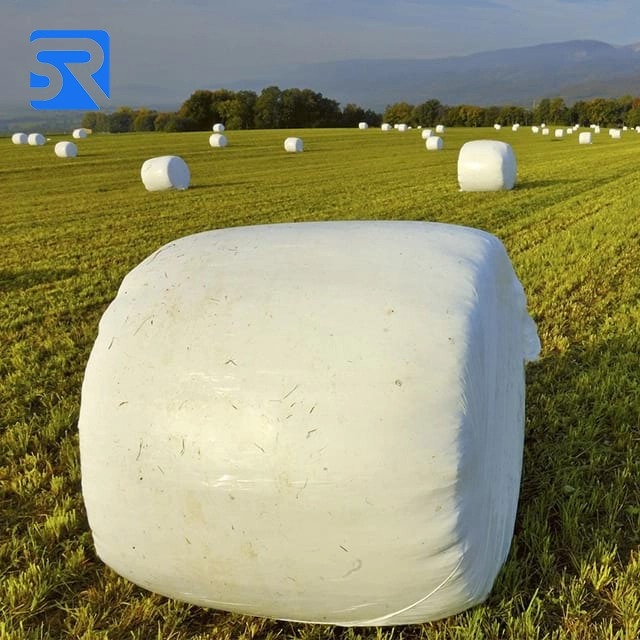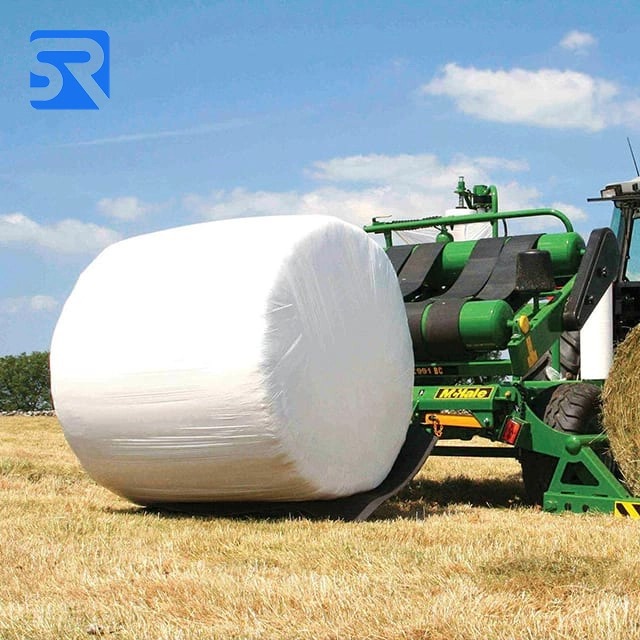


Silage spoilage is much more than a minor operational nuisance. It represents a direct, measurable hit to your farm’s profitability and overall herd health. Every compromised bale wastes valuable feed and introduces dangerous pathogens to your livestock. The core problem often remains hidden until it is too late. Dry matter (DM) loss frequently hits 5% to 20% long before you see any visible white mold. While it is easy to blame a bad roll of plastic, wrap failure is rarely that simple. It is typically a complex combination of material limitations, machinery misalignment, and poor handling errors. The goal of this guide is to provide buyers and farm managers with a strictly evidence-based framework. We will help you evaluate Silage Bale Wrap options accurately. You will learn to audit your mechanical processes and establish foolproof storage protocols. By implementing these practices, you can aggressively defend your forage investment from the field to the feed trough.
Key Takeaways
Oxygen is the primary enemy: Even micro-punctures (1mm-3mm) can lead to 5-20% localized silage loss and dangerous pH spikes.
Machinery matters as much as material: Dirty Pre-Stretch Units (PSUs) cause "secondary stretch," narrowing film width and compromising the critical 50% overlap rule.
The 6-layer ROI: Upgrading from 4 to 6 layers statistically pays for its own cost premium through retained feed volume and quality.
Storage orientation dictates survivability: Storing round bales vertically (on their flat ends) doubles the wrap defense against ground moisture and avian pests.
The Hidden Financial and Biological Cost of Silage Loss
You must understand the exact costs of wrap failure to manage it effectively. Abstract terms like "spoilage" fail to capture the true financial damage. When moisture damages dry hay, its nutritional value degrades significantly within just eight months. You lose tonnage, and you also lose the vital proteins and carbohydrates your animals need. This forces you to purchase expensive supplementary feed to bridge the nutritional gap.
Beyond the financial hit, wrap failure introduces severe biological risks. Anaerobic fermentation is the core mechanism of silage preservation. Oxygen ingress interrupts this process entirely. It prevents the internal pH of the bale from dropping below the critical 4.5 threshold. A higher pH creates a perfect breeding ground for lethal bacteria. Pathogens like Clostridium botulinum and Listeria monocytogenes thrive in these improperly fermented environments. Feeding this spoiled forage can trigger deadly outbreaks of botulism and listeriosis in your herd.
Minor handling errors act as a massive puncture multiplier. A tiny hole does not just ruin the forage immediately beneath it. Aerobic exposure spreads rapidly through the bale’s porous structure. Stubble strikes in the field or friction from untreated twine create localized failures. Studies show a mere 1mm puncture causes 5% dry matter loss, while a 3mm hole drives that loss up to 20%. Rapid fermentation failure follows, turning a minor handling mistake into a total bale loss.
Financial and Biological Impact Summary
Damage Source | Direct Financial Cost | Biological Consequence |
|---|---|---|
1mm Micro-puncture | 5% Dry Matter (DM) Loss per bale | Localized mold growth, minor ash increase. |
3mm Machinery Tear | 20% Dry Matter (DM) Loss per bale | Significant pH spike, rapid yeast multiplication. |
Unsealed Overlaps | Complete nutritional degradation within 8 months | High risk of Listeria and botulism outbreaks. |
Diagnosing Common Wrapping Failures & Mechanical Bottlenecks
Farmers often blame the consumable wrap when bales spoil. They assume the plastic itself was defective. Shifting the blame away from the material and toward the application process builds better troubleshooting habits. By auditing your machinery first, you eliminate the most common causes of seal failure.
Pre-Stretch Unit (PSU) Degradation
Your baler’s Pre-Stretch Unit is the heart of the wrapping process. Tackifier residue naturally builds up on PSU rollers over time. This sticky build-up grips the plastic too tightly, causing "secondary stretching." When this happens, a standard 750mm film stretches far beyond its intended limits. It often shrinks below the required 580-600mm application width. Narrower film completely destroys the vital 50% overlap seal. Air enters the bale through these microscopic gaps, ruining the fermentation process. You must clean your PSU rollers regularly with specialized solvents to prevent this.
Pre-Use Roll Damage
Warehouse handling introduces hidden risks before the wrap even reaches the field. Dropping heavy rolls damages the cardboard core. More importantly, it creates invisible micro-tears across the plastic layers. When the machine pulls this damaged film under high tension, it snaps mid-wrap. Operators instinctively blame the film quality, but poor warehouse handling is the true culprit. Handle rolls gently and never drop them on their edges.
The Critical Time Window
Timing is a non-negotiable success criterion. You must wrap silage bales within two to four hours post-baling. Baled forage immediately begins to respire and heat up when exposed to air. Delaying the wrapping process allows initial aerobic heating to consume valuable sugars. This leaves fewer nutrients for the beneficial lactic acid bacteria to convert during fermentation. Strict adherence to this time window dramatically improves feed out quality.
Common Mistakes in Mechanical Application:
Failing to calibrate PSU tension settings for different ambient temperatures.
Using wire brushes to clean rubber PSU rollers, which damages their grip profile.
Leaving un-wrapped bales in the field overnight.
Evaluating Silage Bale Wrap: Material Features vs. Field Outcomes
Choosing the right Silage Bale Wrap requires strategic procurement logic. You must look beyond simple price tags and assess material features based on your specific field outcomes. Here is how to evaluate your options effectively.
Thickness & Layer Economics
Many farms default to a baseline 4-layer application to save upfront costs. However, moving to a 6-layer standard fundamentally changes your Total Cost of Ownership. You should not view the 6-layer application as an added expense. It is a direct ROI driver. Six layers significantly reduce oxygen permeability and provide a much thicker armor against handling damage. Statistical field data proves that upgrading to six layers covers over 70% of its cost premium simply by preserving more dry matter. You feed more cows per bale, reducing your overall winter feed budget.
Color as Thermal Management
Film color is not just an aesthetic choice. It is a critical thermal management tool. Your climate should dictate your color selection. Black films offer excellent natural UV stability because they contain carbon black masterbatch. They work perfectly in cooler climates to absorb heat and accelerate fermentation. In contrast, white or light green films reflect infrared heat. They are essential in hot, arid regions. By reflecting intense sunlight, white films prevent internal bale temperatures from spiking, which stops vital proteins from degrading.
Pest Resistance vs. Alternatives
Pests cause immense damage to stored silage. You can objectively evaluate pest-repellent wraps against traditional mitigation tactics. Some modern wraps incorporate scent or taste deterrents to ward off birds and rodents. While effective, they come at a premium. You might also consider Net Replacement Film (NRF). NRF replaces traditional netwrap, binding the bale with plastic before the final wrapping stage. It offers higher oxygen barriers and easier winter feed out because you do not have to separate frozen net from plastic. However, traditional Netwrap combined with high-quality film remains highly effective and often more cost-efficient for standard operations.
Binding Compatibility
You must ensure your binding material matches your plastic wrap. Never pair high-quality stretch wrap with chemically treated sisal twine. The harsh oils and chemical preservatives in treated sisal react aggressively with polyethylene. They degrade the plastic from the inside out, causing the film to melt or split weeks after storage. Always use untreated sisal or standard plastic netwrap to avoid this chemical incompatibility.
Field-to-Storage Execution: Securing Your Investment
Procuring excellent wrap means nothing if your field execution is flawed. You must implement Standard Operating Procedures (SOPs) to ensure the purchased materials perform to their exact specifications. Scalability relies on repeatable, error-free habits.
Field Handling Innovations
Tactical field fixes prevent damage before it happens. Stubble punctures account for a massive percentage of bottom-bale rot. You can eliminate this by trailing a heavy rubber cow mat directly behind the baler. The bale drops safely onto the mat instead of crashing into sharp, rigid crop stubble. Another highly effective strategy is the "4+2 stage wrapping" policy. Operators apply four layers of wrap in the field to secure the bale. They then transport the bales to the storage yard and apply the final two layers. This offsets any transit damage, ensuring the final seal remains pristine.
Stacking Architecture
How you build your storage stacks directly dictates bale survivability. Poorly stacked bales stretch the plastic membrane and invite water pooling. Follow these architectural rules to defend your forage.
Orientation: You must place round bales vertically on their flat ends. The flat ends naturally contain the highest concentration of overlapping plastic layers. This thick barrier defends aggressively against ground moisture and raptor claws.
Stack Limits: Gravity is your enemy in long-term storage. Cap your stacks at three bales high. If you are storing low-DM, softer bales, never exceed two high. Excessive weight causes the bottom bales to squat, which stretches and ruptures the protective membrane.
Layout: Use an end-to-end, north-south orientation for your rows. This layout maximizes uniform sun exposure on all sides. Even sun-drying evaporates external moisture quickly, preventing water ingress at the overlap seams.
Environmental Hazards
Location selection requires careful environmental planning. You must keep your storage sites far away from chemical fertilizers. Airborne fertilizer dust or ground-level runoff aggressively attacks polyethylene. These chemicals strip away the UV stabilizers embedded in the Silage Bale Wrap. Once the UV stabilizers fail, the sun quickly degrades the plastic, causing it to become brittle and shatter.
Storage Site Best Practices
Clear all sharp rocks and branches from the storage footprint.
Lay down a bed of sand or use wooden pallets for drainage.
Install bait stations around the perimeter to control rodent populations.
Inspect stacks weekly and patch any bird strikes immediately with UV-rated tape.
Conclusion
Successful silage preservation requires you to treat bale wrap as just one component of a holistic system. Buying the most expensive plastic will not save you if your machinery is misaligned or your stacking architecture is flawed. By controlling oxygen exposure, maintaining your Pre-Stretch Unit, and respecting the thermal properties of film color, you lock in dry matter and protect herd health.
Your immediate next steps should focus on process auditing. First, audit your baler's PSU rollers for tackifier build-up and ensure proper tension. Second, standardize your chopper cut lengths to 1-2cm to guarantee optimal bale density. Finally, conduct a rigorous cost-loss analysis on your current storage site. Address drainage and pest issues before you finalize your next bulk wrap purchase. Taking these proactive steps ensures every bale feeds your bottom line.
FAQ
Q: Why does my silage bale wrap keep breaking during application?
A: Breaking usually stems from mechanical issues, not bad plastic. Tackiness on Pre-Stretch Unit (PSU) rollers causes secondary stretching, snapping the film. Incorrect tension settings also pull the film past its yield point. Additionally, dropping rolls in storage creates microscopic core tears that lead to mid-cycle breaks.
Q: Do square bales require different wrapping strategies than round bales?
A: Yes. Square bales rotate unevenly on the wrapper, exposing sharp corners that stretch the film thinner. To compensate, you must set your equipment to apply a minimum of 6 layers. This guarantees at least 4 layers of even, robust coverage across all irregular surfaces.
Q: What causes white mold under the wrap, and how can it be stopped?
A: White mold is an aerobic fungus driven entirely by oxygen ingress. It happens when the internal pH fails to drop. You can prevent it by upgrading to 6 layers, ensuring exactly a 50% film overlap, and immediately patching any 1mm+ holes with specialized UV-resistant tape.
Q: How should unused rolls of silage wrap be stored?
A: Keep them stored vertically on pallets to protect the cardboard cores. Keep them away from direct sunlight, UV sources, and damp floors. Rotate your stock consistently, using older rolls first to prevent tackifier degradation and loss of adhesive properties.