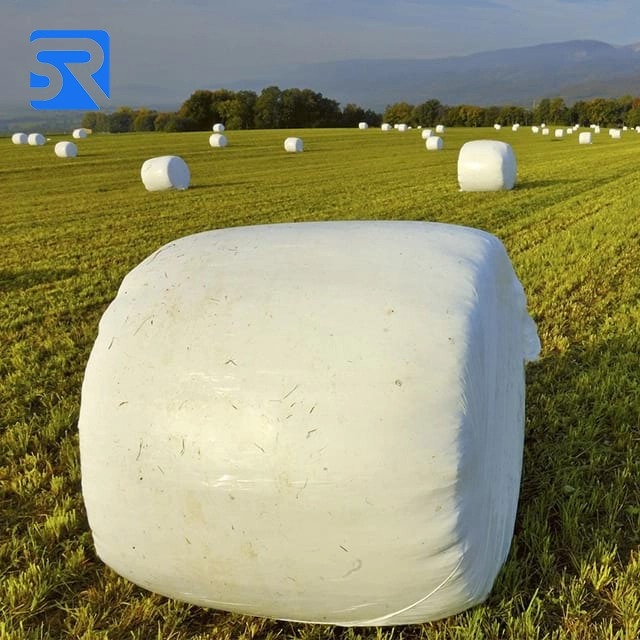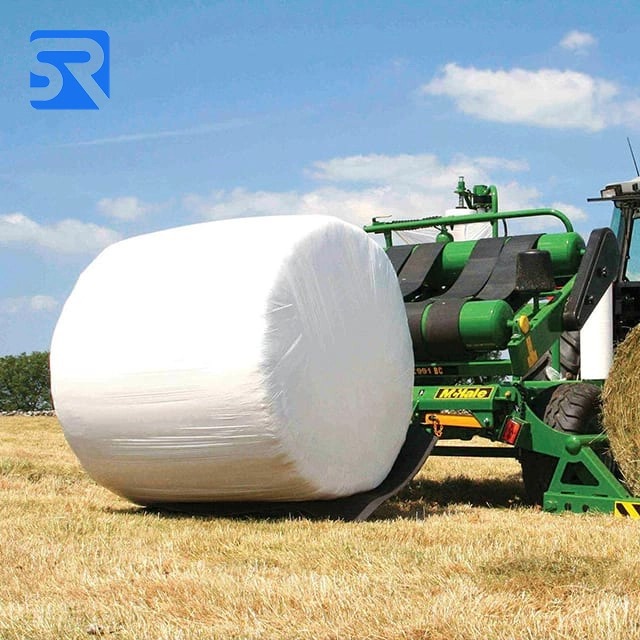


Treat outdoor forage storage not as a simple space-saving convenience, but as a high-risk vector for dry matter loss. Poor protection effectively taxes up to a third of your harvest before your animals even see it. Unprotected or merely net-wrapped bales face severe degradation out in the field. Ground moisture, heavy precipitation, and relentless oxygen exposure destroy nutritional value rapidly.
High-quality Silage Bale Wrap changes the operational math. By acting as an "individual silo," it eliminates the heavy CapEx of bunker construction. It actively facilitates anaerobic fermentation and dramatically reduces feed waste.
Here is the evidence-based breakdown of why upgrading to silage wrap represents a necessary operational pivot. You will learn how it directly impacts ROI and exactly how to evaluate the right film for your agricultural operation.
Key Takeaways
The Hidden Cost of Exposure: Unprotected outdoor storage can result in up to a 25–30% volume loss, largely driven by ground wicking and oxidation.
CapEx vs. OpEx Efficiency: Wrapping bales eliminates the need for expensive, centralized bunker silos while providing unmatched logistical flexibility.
Application Versatility: Silage wrap effectively preserves high-moisture silage (35–55%) through anaerobic fermentation and can protect dry hay (12–16%) when proper moisture management or breathable films are utilized.
Procurement Essentials: Not all wraps are equal; evaluating tackiness (seal), puncture resistance, and UV stabilization is critical for long-term outdoor survival.
The True Cost of Unprotected Outdoor Storage
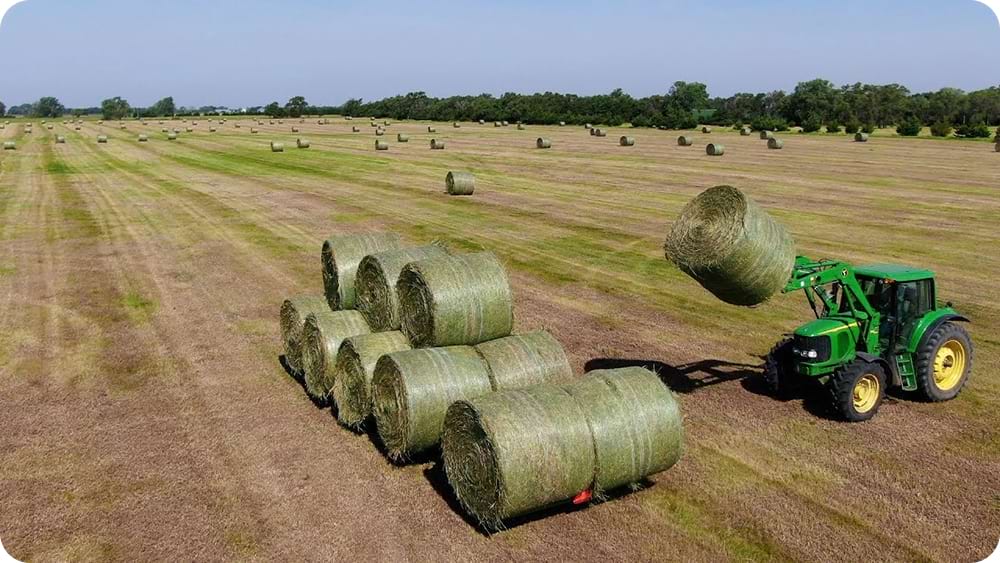
Many farm operators misunderstand the financial impact of dry matter loss. We often view minor spoilage as an inevitable cost of doing business. You must translate this concept into concrete business terms. A 10% dry matter loss literally means throwing away one out of every ten bales harvested. When outdoor storage losses climb to 25% or 30%, you lose a quarter of your operational output. This directly damages your profit margins.
The biggest threat comes from below. We call it ground wicking. Bottom bales act like massive sponges when left on bare soil. Even if you cover the top of the bale, contact with moist ground draws water upward. This soil moisture capillary action can degrade over 20% of the bale’s total volume. The resulting rot introduces mold and dangerous mycotoxins into your feed supply.
Traditional binding methods fail to solve this problem. Here is why basic twine and net wrap fall completely short for outdoor protection:
Binding Method | Weather Protection | Oxygen Barrier | Primary Function |
|---|---|---|---|
Twine | None | None | Purely structural. Holds the bale shape together during brief transport. |
Net Wrap | Minimal | None | Maintains tighter bale shape and sheds surface water, but remains highly porous. |
Premium Wrap | Complete | Complete | Seals out moisture and oxygen, acting as a standalone preservation environment. |
How Silage Bale Wrap Transforms Asset Preservation
Adopting premium wrap shifts your strategy from passive storage to active preservation. You create an "individual silo" concept. A hermetically sealed environment decentralizes your storage. If a traditional bunker silo breaches, you risk spoiling tons of centralized feed. Wrapped bales isolate potential spoilage to a single unit. This decentralization limits your financial risk.
For high-moisture forage, this airtight seal drives crucial anaerobic fermentation. The biological mechanism follows a predictable sequence to improve feed quality:
Oxygen Depletion: The stretch film tightly constricts the bale, cutting off external oxygen supply. Plant respiration consumes remaining trapped oxygen.
Bacterial Activation: Once oxygen drops, beneficial lactic acid bacteria naturally present on the forage begin to multiply rapidly.
pH Reduction: These bacteria convert plant sugars into lactic acid. The pH of the bale drops rapidly, entering an acidic state.
Feed Stabilization: The low pH preserves the material. This process pre-digests the forage, significantly improving nutrient digestibility for ruminants.
Beyond feed quality, this method supports strict environmental compliance. Traditional unlined bunker silos often generate toxic run-off. This run-off can easily contaminate local groundwater. Properly sealed individual bales produce zero leachate. You protect local water tables while maintaining high-density nutrient reserves.
Dry Hay vs. Wet Silage: Execution and Risk Mitigation
Versatility remains a massive advantage of wrapping, but you must respect strict moisture boundaries. Wrapping blindly guarantees failure. Implementation realities dictate entirely different approaches for wet silage versus dry hay.
Wet silage requires 35% to 55% moisture to trigger beneficial fermentation. If the moisture drops too low, the bacteria lack water to produce lactic acid. If it exceeds 60%, clostridial bacteria dominate, leading to foul-smelling, rotting feed. Dry hay operates under opposite rules. You must bale it strictly between 12% and 16% moisture. Exceeding this threshold risks heavy mold proliferation and even spontaneous combustion due to trapped microbial heat.
Wrapping dry hay introduces a specific condensation problem. Standard stretch films block all moisture transfer. As outdoor temperatures fluctuate, internal bale moisture evaporates and condenses against the inner plastic layer. This trapped moisture breeds surface mold.
To combat this, you can utilize specific technological alternatives and techniques. The chart below summarizes your mitigation strategies.
Strategy | Mechanism | Best Use Case |
|---|---|---|
Breathable Film | Micro-porous wrap blocks liquid rain but allows internal water vapor to escape. | Premium dry hay intended for long-term outdoor storage. |
Vertical Slitting | Strategic 12-inch vertical cuts placed on the sides of inline-wrapped dry bales. | Standard wraps where ventilation is required without top-down rain exposure. |
Strict Drying | Ensuring moisture drops below 14% before applying standard stretch wrap. | Operations with highly predictable weather and extended field drying times. |
Key Procurement Criteria for High-Quality Silage Wrap
Not all wraps are equal. Treating stretch film as a generic commodity leads to disastrous field failures. You need a rigorous checklist for vetting suppliers and products before committing your harvest to their protection.
Tackiness (Cling): The film must possess high self-adhesion. It needs to stick to itself aggressively. This creates a flawless, airtight seal across overlapping layers. Weak cling allows wind to lift the edges, inviting oxygen into the bale.
Stretch and Memory: The plastic must withstand high mechanical tension from your wrapping equipment. It needs to stretch tightly to squeeze out residual air pockets without snapping. Good memory means the film attempts to shrink back, applying continuous compressive force.
Puncture Resistance: Mature forage stems act like needles. The wrap needs robust puncture resistance to endure sharp stalks and the handling forces of grabber equipment. A single puncture breaches the anaerobic seal and ruins the bale.
UV Stabilization: Your bales will sit outside facing relentless solar radiation. High-quality film includes premium UV stabilizers. This protection is essential for surviving 6 to 12 months of direct sunlight without turning brittle, flaking, or degrading prematurely.
Operational Best Practices for Zero-Loss Wrapping
Even the highest-grade film will fail if you execute the application poorly. Operational discipline determines your final feed quality. You must strictly adhere to field-tested rollout lessons to achieve zero-loss storage.
First, respect the time window. You must wrap bales rapidly after baling. The industry standard dictates wrapping within two hours of forming the bale. Delays allow excessive plant respiration and aerobic spoilage to begin. Heat builds up, and vital sugars are burned off before fermentation even starts.
Second, never compromise on your layer count. For reliable outdoor overwintering, a strict minimum of six layers is required. Some operators attempt to save money by skimping to four layers. This dramatically increases puncture risks and oxygen permeation. The marginal savings on plastic will cost you hundreds of dollars in ruined feed.
Finally, prioritize your site preparation. Even with the best wrap, bales should never sit directly in mud or standing water. Store them on well-drained surfaces. Crushed rock, wooden pallets, or a bed of old tires work perfectly. Stack the round bales tightly end-to-end in long tubes. The flat ends have more plastic layers. Pushing them together protects these ends and minimizes the total surface area exposed to the elements.
Conclusion
Silage bale wrap is a highly active preservation tool, not just a passive packaging material. It bridges the critical gap between field harvest and animal intake with minimal degradation. By sealing out oxygen and weather, you allow beneficial fermentation to thrive while protecting your massive investment in forage.
Your next steps are clear and actionable. First, audit your current operation to determine your true dry matter loss percentages. Next, evaluate the prohibitive costs of permanent storage infrastructure against the flexibility of modular wrapping. Finally, source trial rolls of high-UV, high-tack wrap to test on a localized batch next season. The results in your feed bunk will speak for themselves.
FAQ
Q: Can you wrap dry hay for outdoor storage?
A: Yes, but moisture must be strictly under 16%. You must manage moisture carefully to prevent spontaneous combustion. Breathable films or specific venting strategies, such as vertical side slitting, should be used to prevent internal condensation and mold growth.
Q: How many layers of silage wrap are necessary?
A: A minimum of 6 layers is recommended for long-term outdoor storage. This ensures adequate puncture resistance against sharp plant stems and creates an absolute oxygen barrier required for proper anaerobic fermentation.
Q: How long can silage bales stay wrapped outdoors?
A: With high-quality UV-stabilized wrap and proper ground clearance, bales can typically be stored outdoors for 12 months. This duration maintains feed quality without significant nutritional degradation, provided the seal remains completely intact.
Q: Is bale wrapping more cost-effective than a bunker silo?
A: For small-to-medium operations or geographically fragmented fields, yes. It eliminates heavy fixed CapEx associated with concrete construction. It also reduces localized spoilage risks by decentralizing your feed, making it a highly flexible and cost-effective decision.