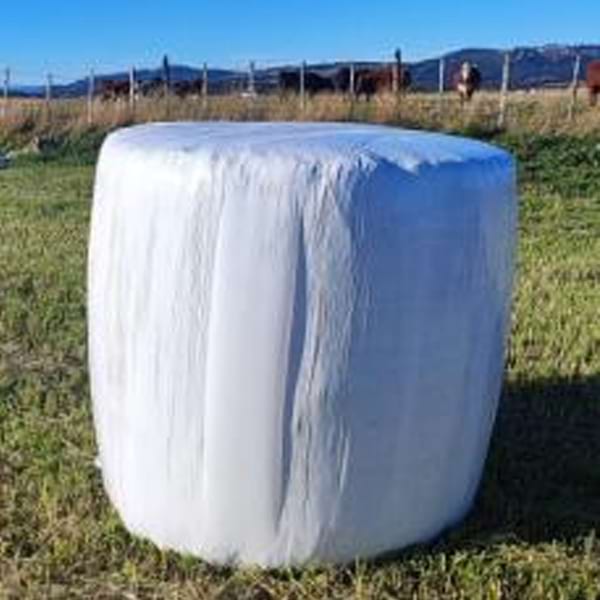


A damaged roll of silage wrap film can disrupt an entire wrapping operation. Poor storage may reduce its stretchability and reliability. How should you store Silage Wrap Film before use? This guide covers ideal storage conditions, proper handling, long-term protection, and practical inspection tips to help preserve film quality and reduce waste.
Why Proper Storage Matters for Silage Wrap Film
Prevent Premature Aging and UV Degradation
Silage wrap film often uses polyethylene materials, including LLDPE. These materials offer flexibility and useful mechanical properties. However, prolonged exposure to sunlight can affect their performance.
Ultraviolet radiation may gradually damage exposed plastic surfaces. High temperatures can also accelerate material aging. As a result, the film may become less reliable during stretching and wrapping.
Some agricultural films contain UV stabilizers. They help improve resistance to sunlight during intended outdoor use. However, UV resistance does not mean unlimited protection during warehouse storage. Keeping rolls indoors remains a better practice.
Maintain Film Stretchability and Puncture Resistance
Stretchability is essential for effective bale wrapping. The film must stretch during application without breaking. It must also maintain sufficient strength around irregular bale surfaces.
Poor storage can contribute to deformation and handling damage. Excessive heat may affect the film's physical condition. Pressure from improper stacking may also distort the roll edges.
Puncture resistance is another important property. Small cuts or damaged edges can create weak points during wrapping. Proper handling helps preserve the film's original mechanical performance.
Reduce Wrapping Problems and Material Waste
Damaged film can interrupt agricultural operations. Operators may experience unexpected tearing or uneven film application. These problems can increase downtime during busy harvesting periods.
Poor storage also creates unnecessary inventory losses. A damaged roll may require replacement before its expected use. For distributors, this can increase handling costs and affect delivery schedules.
Proper storage protects more than the material itself. It also supports reliable inventory planning and smoother farm operations.
Maintain Film Stretchability and Puncture Resistance
Silage wrap film protects harvested forage from air and moisture during bale storage. Its stretchability, puncture resistance, and cling performance help create a secure wrapping layer. Choosing suitable Silage Film also supports reliable wrapping and effective forage preservation.
However, even quality film can lose performance when stored improperly. Direct sunlight, excessive heat, and moisture may affect its condition before use.
Tip: Include storage checks in your regular warehouse inspection schedule. Early detection can prevent larger material losses.
What Are the Ideal Storage Conditions for Silage Wrap Film?
Maintain a Stable and Moderate Storage Temperature
Temperature control is an important part of silage wrap film storage conditions. Avoid placing rolls near heaters, boilers, or other heat sources. These locations may expose the material to excessive temperatures.
A stable indoor environment is generally preferable. Avoid areas that experience strong temperature fluctuations. They may create unnecessary stress on the packaging and stored materials.
Do not assume every silage film has the same temperature tolerance. Different formulations may respond differently to heat. Always follow the manufacturer's recommended storage range.
Keep Silage Wrap Film Away from Direct Sunlight
Direct sunlight is one of the main environmental risks. Continuous exposure can accelerate aging in polyethylene materials. It may also affect the appearance and handling characteristics of exposed film.
Choose an indoor storage location away from windows. If natural light enters the warehouse, use suitable window coverings. Keep the rolls inside their original protective packaging whenever possible.
Outdoor storage should be avoided whenever practical. A simple roof does not always provide sufficient protection. Sunlight can still reach rolls through open sides or gaps.
Control Humidity and Prevent Water Exposure
Moisture control helps protect packaging and paper cores. High humidity may weaken cardboard components over time. Water exposure can also damage labels and product identification.
Keep silage wrap film away from leaking roofs and wet floors. Avoid placing rolls directly against damp walls. Use suitable pallets or storage racks to separate them from floor moisture.
The polyethylene film itself may resist moisture. However, this does not make the entire roll assembly waterproof. Paper cores and packaging materials still require protection.
Choose a Clean, Dry, and Well-Ventilated Storage Area
A clean warehouse reduces contamination risks. Dust and dirt may collect on exposed film surfaces. They can also affect the film's contact and self-adhesive performance.
Good ventilation helps prevent excessive heat buildup. It also supports better moisture management. However, airflow should not expose the rolls to dust or outdoor contaminants.
Separate film storage from chemicals, fuels, and other potentially harmful materials. Keep the area organized and easy to inspect. This makes routine inventory management more efficient.
Tip: Select a dedicated storage zone for agricultural stretch film. Keep it away from chemicals, direct sunlight, and heavy equipment.
How to Store Silage Wrap Film Rolls Correctly
Keep Film Rolls in Their Original Packaging
Original packaging provides the first layer of protection. It helps reduce dust accumulation and accidental surface damage. It also keeps product labels and specifications available.
Avoid removing packaging before the film is needed. If inspection is necessary, open only the required protective layer. Reseal the remaining packaging afterward.
For bulk purchases, retain the original product labels. They help identify dimensions, material types, colors, and production batches. This information is useful when managing different film specifications.
Store Rolls in the Recommended Position
Correct positioning helps prevent unnecessary deformation. Follow the manufacturer's instructions for roll orientation. Do not assume every product can be stored in the same position.
Use clean and stable shelves or pallets. Ensure each roll has adequate support. Avoid placing rolls where they may fall or roll away.
Keep the storage arrangement consistent. This makes handling easier for warehouse staff. It also reduces unnecessary movement during picking and loading.
Avoid Excessive Stacking and Compression
Excessive stacking can place pressure on lower rolls. It may cause deformation or damage to the roll edges. Poor stacking also increases the risk of accidents.
Follow the manufacturer's recommended stacking limits. Consider roll dimensions, weight, packaging, and pallet strength. Do not exceed the safe load capacity of storage equipment.
Leave enough space between stacks for inspection. Avoid placing heavy objects on top of film rolls. A well-organized layout protects both products and workers.
Keep Rolls Away from Sharp Objects and Heavy Equipment
Sharp objects can puncture packaging and damage exposed film. Forklift forks and metal edges are common warehouse hazards. Even small cuts may affect later wrapping performance.
Create clear handling routes for forklifts and pallet trucks. Keep film rolls away from tools and sharp materials. Train warehouse staff to avoid dragging rolls across rough surfaces.
Always use suitable lifting equipment. Avoid dropping or throwing rolls during handling. Careful movement helps protect the outer layers and paper cores.
Note: Storage orientation and stacking limits vary by roll design. Confirm the correct method with the film manufacturer before arranging bulk inventory.
How to Protect Silage Wrap Film During Long-Term Storage
Use Protective Covers to Reduce Environmental Exposure
Long-term storage requires consistent environmental protection. Keep the original packaging intact whenever possible. It helps shield the film from dust and accidental contact.
If additional protection is needed, use a clean and suitable outer cover. Make sure it does not trap moisture around the rolls. Avoid placing wet or dirty covers directly against packaging.
Do not use protective covers as a substitute for indoor storage. They cannot fully control temperature or humidity. A suitable warehouse remains the preferred option.
Organize Rolls by Production Batch and Purchase Date
Clear inventory records help prevent storage confusion. Record the purchase date, batch number, and product specifications. Include roll dimensions and quantities where necessary.
Different film products may have different storage recommendations. Keep their records separate. This helps warehouse staff identify the correct handling requirements.
Label each storage area clearly. Make older stock easy to identify. Accurate records also support quality checks and supplier communication.
Follow First-In, First-Out Inventory Management
The first-in, first-out method helps control stock rotation. It means older inventory should generally leave first. This reduces the risk of forgotten or excessively aged stock.
Arrange pallets according to their arrival dates. Keep newer shipments behind older inventory. Use clear labels to avoid picking mistakes.
FIFO is especially useful for distributors and large farms. They may receive several shipments before the wrapping season. A consistent rotation system improves stock visibility.
Inspect Stored Rolls Regularly for Visible Damage
Routine inspection helps identify problems early. Check packaging for tears, water stains, and deformation. Look for signs of pest damage or contamination.
Pay attention to the storage environment. Check for roof leaks and excessive heat. Remove nearby hazards that could damage the rolls.
Record any unusual findings. Separate visibly damaged products from normal inventory. Contact the supplier if the film shows possible material defects.
Tip: Use a simple inspection sheet for every storage batch. Record inspection dates, packaging condition, and corrective actions.
How to Store Opened or Partially Used Silage Wrap Film
Reseal Partially Used Rolls to Protect Exposed Film
Partially used rolls require additional care. Their outer layers may be more exposed to dust and handling damage. Protect them immediately after removing them from the wrapping machine.
Use the original packaging whenever possible. If it is no longer available, use a clean protective cover. Secure it without applying excessive pressure to the film.
Keep the roll in a stable storage position. Avoid leaving it beside machinery or outside overnight. Return it to the designated storage area after use.
Prevent Dust and Contamination on the Film Surface
Dust can affect film handling and contact performance. Contamination may also create problems during subsequent wrapping. Keep opened rolls away from dirty work areas.
Do not place exposed film on the ground. Avoid touching the film surface with dirty gloves. Keep food residues, oils, and chemicals away from the material.
Before reuse, inspect the exposed outer layers. Remove damaged or contaminated sections if necessary. Follow the manufacturer's guidance when deciding whether the remaining film is suitable.
Check Roll Edges and Film Layers Before Reuse
Roll edges can reveal early signs of damage. Look for crushed areas, uneven winding, and visible cuts. Check whether the paper core remains stable.
Inspect the film surface for unusual discoloration. Look for sticking, wrinkles, or other visible changes. These signs may indicate handling or storage problems.
If the film appears abnormal, perform a controlled wrapping test. Check stretching behavior and film continuity. Do not use questionable material for a large production batch without further evaluation.
Note: Do not assume a partially used roll remains suitable indefinitely. Its condition depends on storage time, packaging, and environmental exposure.
How Long Can Silage Wrap Film Be Stored Before Use?

Understand the Factors Affecting Silage Film Shelf Life
Silage film shelf life depends on several factors. Material formulation is one important consideration. Storage temperature and sunlight exposure also matter.
Packaging condition can affect long-term protection. Damaged packaging may expose the film to contamination. Frequent handling can create additional mechanical damage.
There is no single storage period for every product. Different manufacturers may provide different recommendations. Buyers should confirm the expected storage life before purchasing large quantities.
Check Manufacturer Storage Recommendations
Always request official storage instructions from the supplier. Ask about recommended temperature and humidity conditions. Confirm the expected shelf life from the production date.
For bulk orders, request batch information and product documentation. These records help buyers manage inventory more accurately. They also support quality claims when problems occur.
Check whether the stated shelf life assumes unopened packaging. Some recommendations may apply only under controlled warehouse conditions. Clarify these details before placing repeat orders.
Identify Signs of Film Deterioration Before Wrapping
Visual inspection is the first step. Look for discoloration, surface damage, and unusual sticking. Check for cracks or brittle areas where visible.
Mechanical performance also deserves attention. The film should unwind smoothly and stretch consistently. Unexpected tearing may indicate damage or unsuitable handling.
Do not rely on appearance alone. Some material changes may not be immediately visible. When in doubt, request supplier guidance or arrange a suitable performance test.
Inspection Item | What to Check | Recommended Action |
|---|---|---|
Film surface | Discoloration, cracks, or contamination | Isolate and inspect |
Roll edges | Crushing or uneven winding | Check roll condition |
Packaging | Tears, water stains, or dust | Replace protective packaging |
Film handling | Unusual sticking or tearing | Conduct a controlled test |
Product records | Batch and production date | Verify manufacturer guidance |
Tip: Ask suppliers to state shelf-life conditions in writing. This is particularly useful for distributors managing seasonal inventory.
Common Silage Wrap Film Storage Mistakes to Avoid
Leaving Film Rolls Outdoors or in Direct Sunlight
Outdoor storage exposes rolls to changing weather conditions. Sunlight can accelerate material aging. Rain and dust may also damage packaging.
Even covered outdoor areas may have temperature fluctuations. Open-sided shelters cannot always prevent UV exposure. Indoor storage offers more consistent protection.
If temporary outdoor storage is unavoidable, minimize exposure time. Use suitable protective packaging and inspect the rolls afterward. Move them indoors as soon as possible.
Storing Rolls Near Heat Sources or Chemicals
Heat sources create localized temperature problems. They may expose nearby rolls to excessive heat. This risk can increase during long storage periods.
Chemicals also require careful separation. Certain substances may affect packaging or stored materials. Avoid placing film near fuels, solvents, and industrial cleaning products.
Keep a clear separation between storage zones. Follow the safety instructions for all nearby materials. This helps maintain a cleaner and safer warehouse.
Using Damaged or Improperly Stored Film Without Inspection
Some buyers focus only on purchase dates. They may overlook packaging damage or poor storage conditions. This can create problems during urgent wrapping operations.
Inspect every roll before loading it onto the machine. Check its edges, surface, and unwinding condition. Separate suspicious rolls for further evaluation.
A short inspection can prevent longer production interruptions. It also helps avoid wasting forage and packaging materials. Do not ignore visible defects to save a single roll.
Agricultural packaging materials should be stored according to their specific requirements. Keeping them in clean, dry, and protected areas helps prevent unnecessary damage before use. For other forage packaging needs, Bale Net Wrap provides a practical solution for securing harvested bales.
Organizing different packaging materials separately also makes inventory management easier. Regular inspections help identify damaged packaging before materials enter daily operations.
Note: A roll that looks acceptable may still require performance testing. Confirm its suitability before using it for valuable forage.
Conclusion
Proper Silage Wrap Film storage helps maintain film quality and reduce material waste. Keep rolls dry, protected, and away from direct sunlight. Choose SHUORUI for reliable silage wrap film solutions. Its durable, stretchable, and puncture-resistant products support efficient forage preservation and dependable agricultural packaging.
FAQ
Q: What are the ideal silage wrap film storage conditions?
A: Store silage wrap film indoors, away from heat, sunlight, and moisture.
Q: How should silage wrap film rolls be stored?
A: Keep rolls in original packaging and avoid excessive stacking.
Q: How long can silage wrap film be stored?
A: Shelf life depends on material, packaging, and manufacturer recommendations.
Q: Can partially used silage wrap film be stored?
A: Yes. Reseal opened rolls and protect them from dust and damage.
Q: Why avoid direct sunlight during silage film storage?
A: UV exposure may accelerate aging and reduce film performance.
Q: How can I check stored silage wrap film?
A: Inspect roll edges, surface condition, packaging, and stretchability before use.