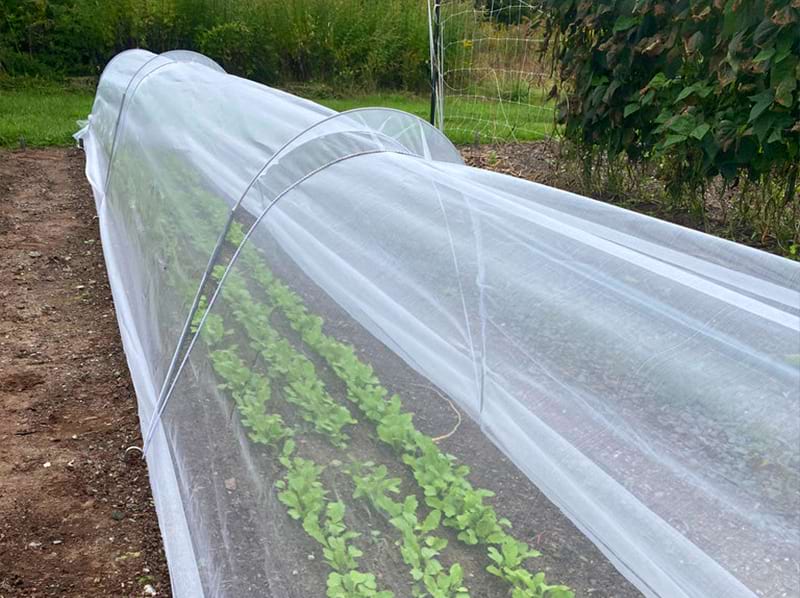


As pesticide resistance grows rapidly across agricultural zones, commercial growers face a tough reality. Chemical input costs escalate every single season. Farm operating margins shrink in response. To survive this pressure, market gardeners increasingly shift toward physical exclusion methods. Anti-insect Netting is no longer just a premium add-on for specialty crops. Today, professional growers treat it as a fundamental infrastructure decision. It serves as essential risk mitigation against unpredictable pest populations.
Evaluating the right physical barrier requires you to look beyond basic pest control. You must understand its true impact on field microclimates. You also need to consider how it alters daily operational workflows. Finally, you have to measure its overall return on investment accurately. We will explore how to match mesh sizes to specific biological threats. We will also cover structural best practices to ensure your investment survives severe weather conditions.
Key Takeaways
Pest-Specific Sizing: Successful exclusion depends on matching exact mesh dimensions (from 1.4mm down to 0.27mm) to targeted insect threats.
Dual-Action Benefits: Beyond bug control, quality netting optimizes microclimates by diffusing wind, buffering heavy rain, and maintaining 80–90% light transmission.
Calculated Trade-Offs: Implementation requires managing restricted airflow (which can increase fungal risks) and planning around pollination requirements.
Strict Installation Tolerance: Even the highest-grade net fails if edges are poorly sealed or leaves are allowed to touch the mesh.
1. The Operational & Economic Case for Anti-Insect Netting
Modern agriculture demands highly sustainable practices. Buyers consistently want low-residue produce. Organic certification programs require strict adherence to chemical-free protocols. Physical barriers drastically lower your reliance on harsh pesticides. You save substantial material costs immediately. You also save countless labor hours previously spent spraying fields. Satisfying strict market compliance becomes much easier under a physical canopy. Insects cannot build genetic resistance against a physical wall. This makes exclusion a permanent, reliable solution.
Physical crop covers offer powerful dual-action benefits. They deflect physical environmental damage constantly. High winds cause severe plant stress. Fast-moving air strips moisture from delicate leaves rapidly. Quality mesh diffuses these high winds effectively. Plants retain vital moisture much better. Heavy rain presents another massive environmental threat. Massive water droplets batter fragile seedlings into the mud. Rain also causes harmful soil splash. Soil splash transfers soil-borne pathogens directly onto lower leaves. The mesh breaks up heavy rain droplets efficiently. Rainwater falls through the screen as a gentle, harmless mist. Seedlings survive harsh storms completely intact.
Investing in farm infrastructure requires clear financial expectations. Baseline B2B material costs range between $3,500 and $5,000 per hectare. This material estimate typically excludes the underlying structural hoops. You realize your return on investment through massive yield protection. Pests cause significant cosmetic damage to leafy greens. Damaged produce sells for fractions of normal wholesale prices. You eliminate this major revenue loss. You reduce labor hours allocated for chemical applications. You also minimize total crop loss from viral vectors. Many flying insects transmit devastating agricultural viruses. Blocking the vector prevents the virus entirely. The initial investment pays for itself quickly through salvageable yields.
2. Crop Suitability: Where It Works (And Where It Fails)
Physical barriers do not suit every single crop. You must target your application carefully to prevent wasted investment.
The "Must-Net" High-Risk List
Brassicas (Cabbage, Broccoli, Kale): These vegetables face relentless insect pressure globally. You absolutely must cover them. Flea beetles attack young transplants aggressively. They chew hundreds of tiny holes into leaves. Cabbage moths flutter over fields daily. They deposit dozens of eggs on leaf undersides. Caterpillars hatch and decimate crops right down to the stem. Physical exclusion remains critical here.
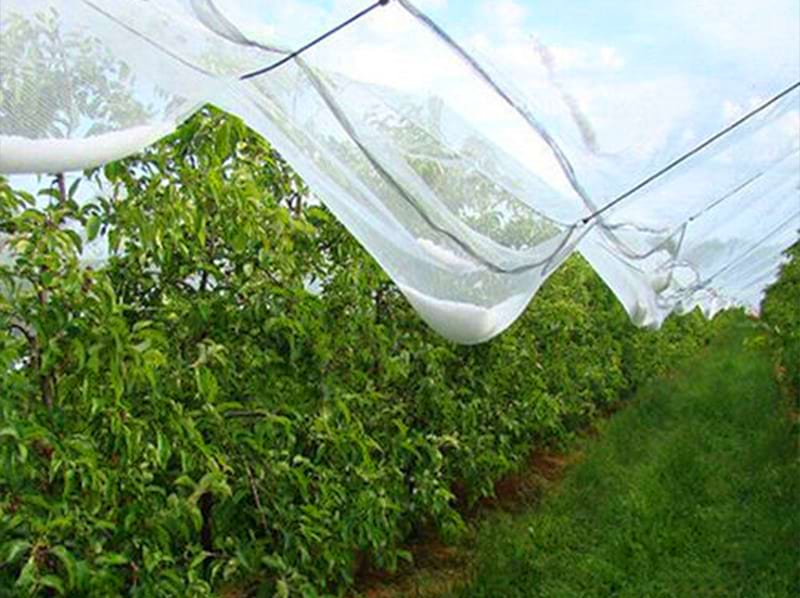
Berries & Soft Fruits: Spotted wing drosophila ruins entire fruit harvests overnight. These invasive fruit flies target ripening berries specifically. Avian threats also cause massive financial damage. Birds consume huge quantities of soft fruit. You require physical barriers to combat both insect vectors and birds simultaneously.
The "Do Not Net" (or High-Friction) List
Pollinator-Dependent Crops: Squash, cucumbers, and pumpkins rely heavily on bees. You cannot keep these crops netted during flowering phases. The barrier blocks essential pollinators completely. Unpollinated flowers simply drop off. They never produce fruit. You can only cover them if you use manual pollination. Alternatively, you could employ introduced hive strategies inside the tunnels.
Root Vegetables: Carrots and potatoes face much lower overhead pest pressure. Soil-dwelling insects cause their main issues. Wireworms and nematodes attack below the ground. Full overhead netting represents an unnecessary expenditure for these root varieties. You should allocate your capital toward high-risk crops instead.
3. Objective Trade-Offs: Risks and Limitations
Every agricultural tool carries inherent limitations. Acknowledging these risks demonstrates true operational expertise.
Creating a physical barrier restricts natural airflow inherently. Reduced airflow traps moisture inside the tunnel. Ambient humidity levels rise significantly around the foliage. This damp environment elevates the risk of fungal pathogens. Botrytis, commonly known as Grey Mold, thrives under these conditions. Downy Mildew also spreads rapidly across damp leaves. You must monitor moisture levels actively. Furthermore, these damp, protected habitats attract slugs. Soft-bodied pests multiply rapidly when natural predators cannot enter the enclosure.
Farming requires constant physical interaction with plants. Routine tasks become much more complicated under covers. Weeding requires lifting the entire netting structure. Feeding plants demands the same tedious process. When you temporarily expose crops, field risks spike. Fast-moving pests spot the opening quickly. They infiltrate the protected zone in seconds. You must schedule maintenance during low-pest-activity hours. Early mornings often work best for routine access.
Structural integrity determines your ultimate success. If your net lacks proper structural height, severe problems occur. Vigorous plants grow upward quickly. Foliage eventually presses directly against the overhead mesh. Pests exploit this physical contact instantly. Cabbage white butterflies possess excellent instincts. They land on the exterior mesh. They lay their eggs right through the barrier onto the touching leaves. Caterpillars hatch inside your protected zone. They feed freely without any natural predators to stop them. You must build hoops tall enough to prevent any leaf contact.
4. Technical Evaluation: Choosing the Right Specifications
Choosing the correct specifications dictates your success rate. You must align the material properties with your specific field challenges.
Mesh Size vs. Target Pest (The Core Decision)
You cannot use a universal mesh size for every insect. Different pests require different physical barriers.
Mesh Category | Dimension Specs | Target Pests Blocked | Trade-Offs |
|---|---|---|---|
Standard Mesh | 1.3mm – 1.4mm | Cabbage root flies, larger moths, birds. | Will not stop aphids. Fails to block flea beetles. |
Fine Mesh | 0.8mm | Flea beetles, whiteflies, leaf miners. | Industry baseline. Moderate airflow reduction. |
Ultra-Fine Mesh | 0.3mm – 0.6mm (e.g., 0.27 x 0.77mm) | Thrips, aphids, microscopic threats. | Heavily restricts essential airflow and natural light. |
Material Weight (GSM) & Durability
Agricultural environments destroy weak materials quickly. Look for UV-stabilized polyethylene construction. Sun exposure degrades untreated plastics in weeks. Material weight uses grams per square meter (GSM) measurements. You typically want between 80g to 120g per square meter. This specific range perfectly balances tear resistance against vital light requirements. You must maintain 80-90% light transmission for healthy plant photosynthesis. Heavier nets resist wind better but block more sunlight.
Color Strategy: White vs. Black
White netting maximizes light penetration. Sunlight easily reaches the lower plant canopy. It also makes pest spotting easy. You can visually identify trapped pests instantly against the bright background.
Black netting acts as a powerful combination tool. It serves as both an insect barrier and shade cloth. Summer crops often suffer from extreme heat stress. Black mesh reduces internal temperatures dramatically. Cooler environments naturally boost plant immunity. Stronger plants resist localized diseases much better.
5. Installation Realities and Structural Best Practices
A premium product fails entirely if you install it incorrectly. Follow these strict structural guidelines.
Calculating Allowances: Never order your exact field dimensions. Agricultural fabrics behave unpredictably outdoors. Factor in an extra 10 feet of length. Material shrinkage happens after intense sun exposure. Vertical crop growth pulls the side edges upward. You also need surplus material for securing the tunnel ends properly. Extra length prevents frustrating coverage gaps mid-season.
Tensioning Protocol: Avoid pulling the fabric drum-tight. High tension creates multiple mechanical failure points. Wind loads stress tight fabrics immensely. Tight mesh tears easily on rough structural hoops. Leave calculated slack during installation. Slack prevents tearing during severe weather events. It also allows for natural plant expansion beneath the cover.
Total Edge Sealing: The physical barrier is only as strong as its weakest gap. Pests crawl under loose edges effortlessly. Edges must be consistently trenched into the soil. Use a heavy layer of dirt to lock them down. If trenching proves impractical, use rigid, continuous clips. Secure the fabric tightly to a baseboard. Never leave gaps. Total exclusion requires zero compromises.
Conclusion
Anti-insect Netting functions as a highly effective, non-chemical barrier. You will see tremendous results if you follow the operational rules. The mesh size must match your specific pest threat exactly. You also must manage airflow restrictions proactively to prevent fungal outbreaks.
When evaluating suppliers, demand hard documentation. Request official technical data sheets. They must confirm exact mesh hole dimensions. Generic marketing labels like "fine mesh" mean nothing in the field. Require proof of UV stabilization warranties. Verify the GSM weight before purchasing to ensure tear resistance. Identify your primary insect vector first. Select the largest mesh size capable of blocking that specific pest. Measure your fields and add standard shrinkage allowances. Finally, install tall, robust hoops to prevent leaf-touch vulnerabilities.
FAQ
Q: How long does commercial anti-insect netting last?
A: High-quality UV-stabilized polyethylene lasts significantly longer than cheap plastics. With proper off-season storage, lifespan ranges from three full growing seasons up to ten years. Its ultimate longevity depends heavily on daily mechanical wear and wind exposure.
Q: Can insect netting replace shade cloth?
A: Standard white netting offers minimal shading. However, black insect netting serves a powerful dual purpose. It reduces pest pressure while simultaneously dropping internal temperatures. This makes it ideal for protecting heat-sensitive summer crops.
Q: Will anti-insect netting prevent rain from reaching my crops?
A: No. Quality nets allow rain to penetrate easily. They effectively break up heavy, damaging downpours into a gentle mist. This protects fragile seedlings from physical trauma and prevents soil erosion around the roots.